Trump updates Netanyahu on major US Gulf strategy after renewed Iran strikes
Netanyahu also warned Trump against approving the F-35 deal with Turkey during the key talks at the NATO summit in Ankara
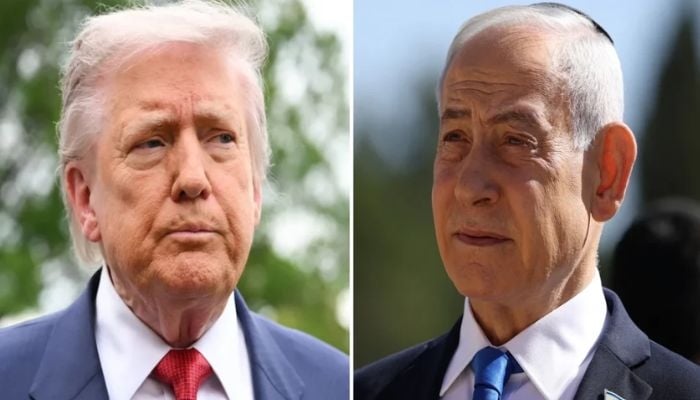
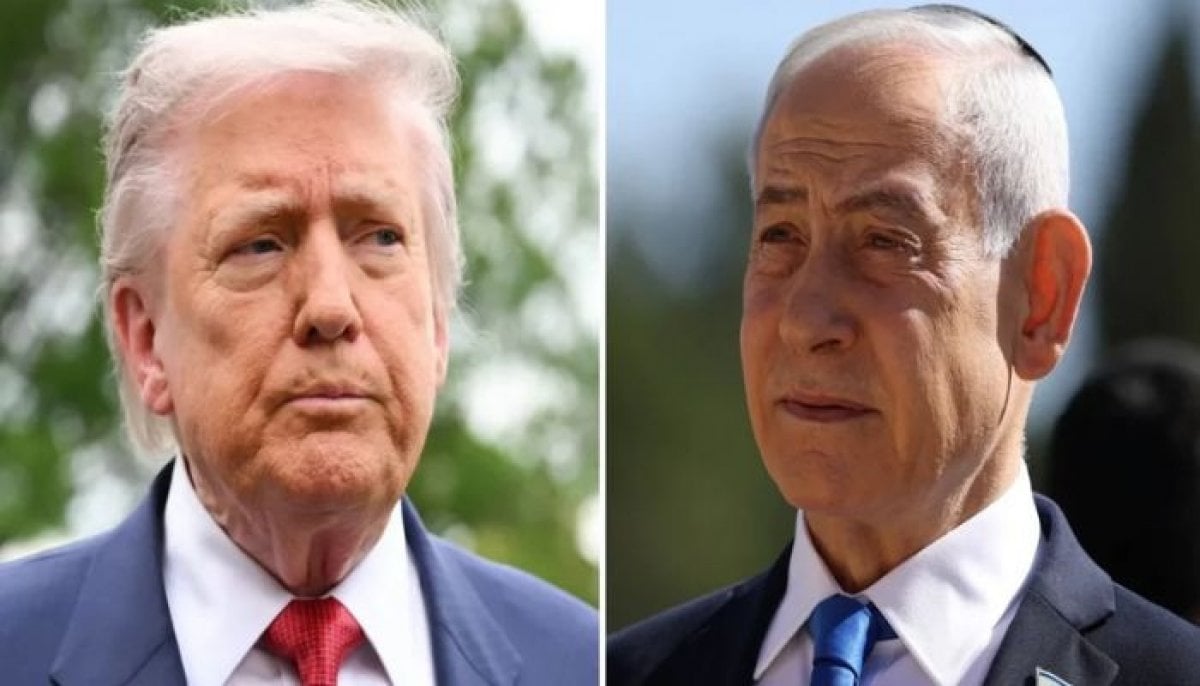
Prime Minister Benjamin Netanyahu spoke by phone with President Trump on Thursday night during which Trump briefed him on recent US military movements in the Persian Gulf. This call follows a fresh wave of US airstrikes against 90 targets in Iran, as the current negotiations are taking place alongside ongoing coordination between the two countries.
According to current reports, recent statements reveal that Trump is updating Netanyahu on current American moves in the Gulf and United States attacks against Iranian assets. Consequently, Netanyahu warned Trump against approving the F-35 deal with Turkey.
Netanyahu raised these crucial concerns, especially underlining Turkish President Recep Tayyip Erdogan's rhetoric against the existence of the State of Israel as well as the need for security zones along Israel’s borders.
Despite the call and evolving scenario, a White House official confirmed that there are no plans for the two leaders to meet. This conversation comes against the backdrop of the United States resuming its strikes against Iran on Tuesday night.
The reports also indicated that Israel is refraining from being part of this activity of fighting between the US and Iran.
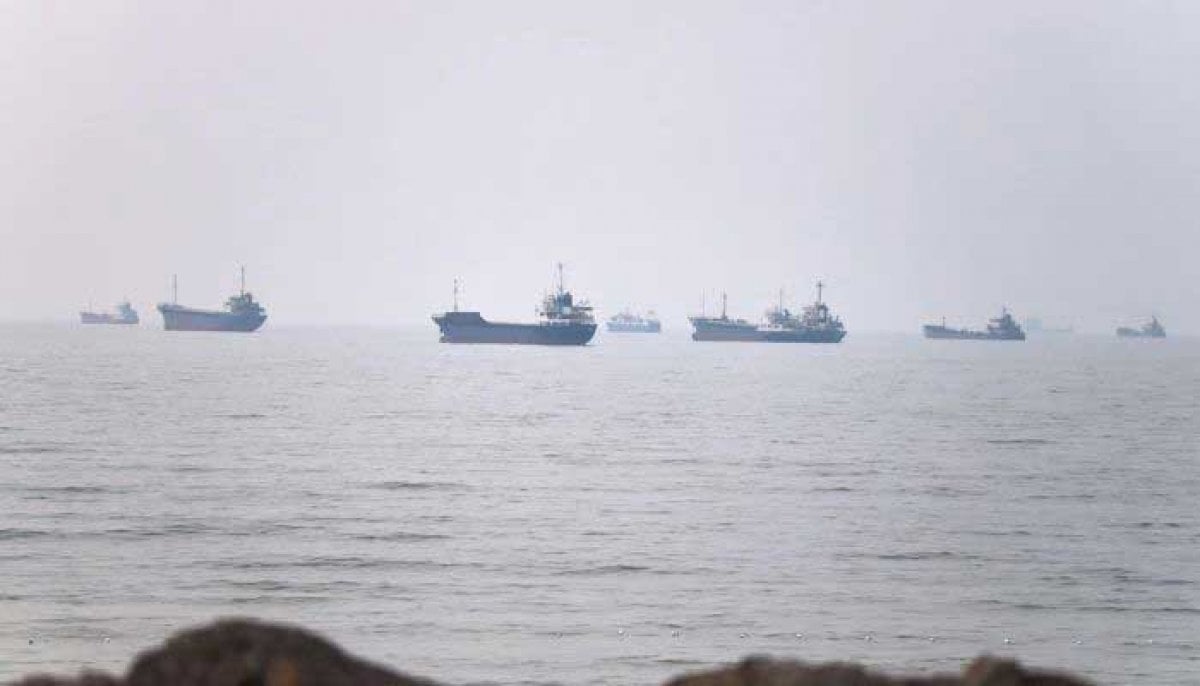
According to US Central Command, the strikes came in response to Iran’s threats to “ impose heavy costs for targeting and attacking commercial shipping crewed by innocent civilians in an international waterway.”
President Donald Trump reportedly announced on Wednesday that the recently signed Memorandum of Understanding with Iran “is over,” after the US and Iran exchanged strikes across the Middle East. The US wasted its time with Iran, and should focus on its own affairs instead of pursuing diplomacy, Trump said.
Earlier this week, Trump said he felt that the Memorandum of Understanding with Iran was nullified after late-night strikes between the US and Iran in the Strait of Hormuz.
The uncertainty persists in Trump’s mixed messaging and his approval of consecutive military strikes leaves major questions about what comes next in the conflict, following weeks of difficult diplomacy to reach even an initial deal between the longtime rivals.
The fluctuating rhetoric could be a strategy to elevate the pressure on Tehran to halt attacking ships transporting oil and natural gas in the Strait of Hormuz and bend to US demands on its nuclear program-something Trump has never tried before.
Additionally, whether it is a diplomatic maneuver or a signal of an escalation in fighting, these actions risk a further escalation in the wake of the geopolitical tensions, ultimately leaving mediators scrambling to save the interim deal.



-
 Could SpaceX outvalue all of Earth? Elon Musk thinks so—here’s why
 -
 Indonesian farmer goes viral for riding a drone to work
 -
 Call of Duty: Black Ops 1 and 2 hit PS5, prices revealed
 -
 Elon Musk changes tune on Anthropic, calls it ‘leader in AI’
 -
 Zuckerberg breaks 3-year silence on 'X' with surprise return
 -
 Epstein lawyer’s first death anniversary approaches months after DOJ files rocked the world
 -
 Assassin's Creed Black Flag Resynced: Full mission list
 -
 Why is Islamic Republic of Japan trending on social media?