UConn Health faces $54.3 million cost increase for 2027: Here’s how it plans to cut costs
The UConn Health Board approved its $2.2 billion budget, which initially includes a $54.3 million deficit

UConn Health officials reportedly announced that the institution faces a budget shortfall of $54.3 million in fiscal year 2027, fueled by a massive increase in State Employee Bargaining Agent Coalition (SEBAC) wages.
Dr. Andy Agwunobi said in a statement that the State Employees Bargaining Agent Coalition negotiated wage increases for fiscal year 2026 and 2027 that will total approximately $55.7 million.
Agwunobi further clarified that the state budget did not include additional financing to support these costs at UConn Health. At present, teams are efficiently involved in developing a plan to address the deficit and restore fiscal balance.
Earlier, the UConn Health Board of Directors approved its $2.2 billion budget; however, leaving the institution experiencing a projected budget deficit of $54.3 million.
The presentation made to the UConn Health Board of Directors, the fiscal year 2027 contingency plan includes a workforce review, including ceasing non-critical, and non-genating hires, while also cutting temporary staff in non-revenue areas.
Subsequently, the insulation has taken a major step in suspending non-essential travel, events and catering, and significantly leveraging from its capital projects and fund balance.
Agwunobi said: “The big categories are clinical revenues,”
“A big piece of it, a big category, was delayed spending on capital,” he said. “I would say about over 50% are one time items which includes not spending capital that we can avoid spending. It included a slow down in hiring. The rest of it is clinically generated revenues and some cost savings on the clinical side.”
“So it is a little greater,” he said. “But I would say though, there’s really two aspects. Number one, just take nursing for example. We are going to pay the market regardless of what’s there because it’s hard to recruit and keep people in there. So the 4.5% on nursing is probably not anything that is out of market for anybody else because we’re constantly going back and forth for those.”
The meeting highlighted key questions regarding its comparison to salary increases at other hospitals, Geoghegan noted that other hospitals were seeing increases of 2.5 to 3%.


-
 ‘It's time to say goodbye’: Gary Stevenson pauses YouTube channel amid mental health struggles
 -
 US-Russian space crew returns to Earth after eight-month mission on the International Space station
 -
 Lamine Yamal’s girlfriend Ines Garcia hits 4 Instagram followers after Spain’s World Cup win
 -
 Are we closer to a real-life ‘genie’ that grants any wish: Here's what Sam Altman thinks
-
 New research suggest restricted eating hours may reduce cognitive decline in older age
 -
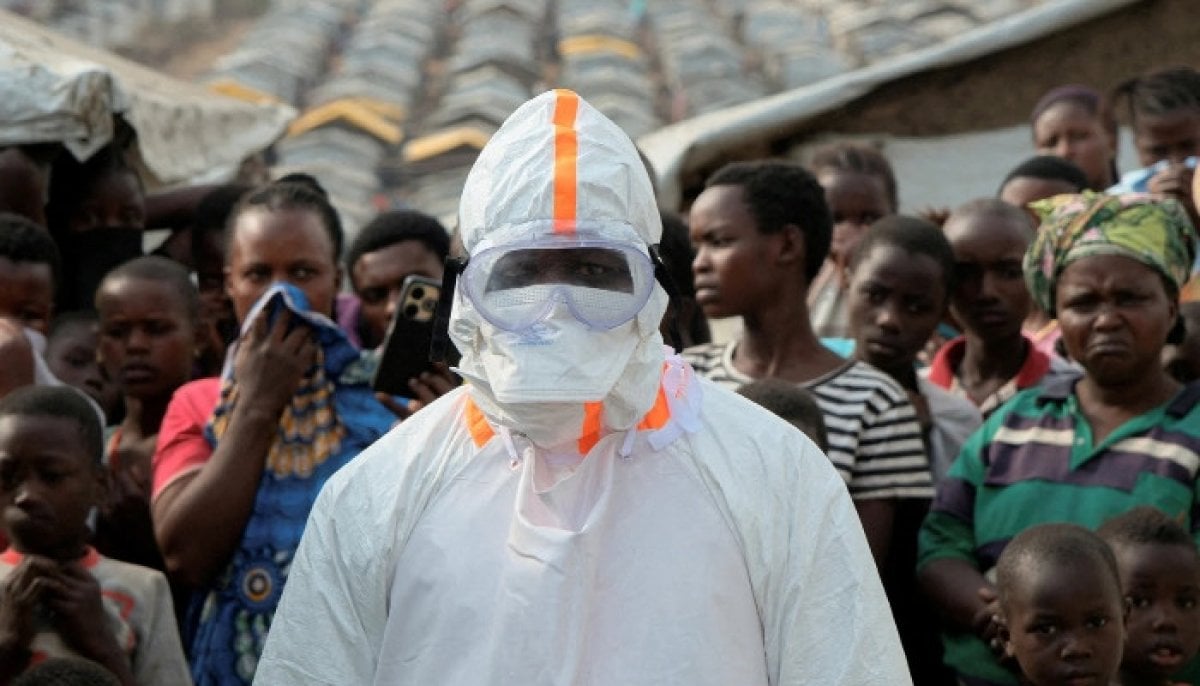 Ebola spreading ‘like a wildfire’ in Democratic Republic of Congo, expert warns
 -
 CDC expands Cyclospora outbreak to nine states as cases continue to rise
 -
 UK heatwave safety: How to protect children and pets
 -
 Could weight-loss injections be increasing hair loss? Here’s what experts say
 -
 US announces $5 billion AI push to transform health, construction research
 -
 Study reveals how much coffee is safe for your heart
 -
 Doctors challenge the science behind the Pentagon’s plan for testosterone screening