Strait of Hormuz shutdown only benefits US energy firms, says Russia’s Rosneft chief Sechin
Sechin warns that other route like Malacca, Bab El Mandeb and Gibraltar straits could also face disruptions

Russia’s largest oil producer Rosneft CEO Igor Sechin said on Saturday that only US energy firms stand to gain from the ongoing energy crisis driven by persistent closure of Strait of Hormuz.
Through the Hormuz crisis, Washington is trying to change the fundamentals of global energy markets that align with the US interests. And months-long Iran and US conflict is fulfilling America’s pursuits.
As a result of conflict triggered by US-Israel strikes on Iran, Tehran blockaded the Strait of Hormuz, key waterway for global shipping responsible for one-fifth of energy supplies and other key goods. In retaliation, the US blocked Iranian ports.
Speaking at the St. Petersburg International Economic Forum, Sechin said, “The closure of the Strait of Hormuz is an attempt to reshape global energy market regulations to benefit the United States. The measures taken to block the strait were aimed at Iran, but backfired on the entire world. The strategic risks were underestimated.”
In the midst of disruption created by the Hormuz shutdown, only American companies have been at an advantageous position, gaining “non-competitive advantages and the ability to secure high-cost supplies.”
Sechin who is also the ally of Russian President Vladimir Putin also warned that other critical chokepoints, such as Malacca, Bad El Mandeb and Gibraltar straits could also be threatened by widespread disruption.
But according to Professor Steve Hanke, Professor of Applied Economics at Johns Hopkins University, Maryland, US, the biggest winner of the Hormuz crisis is Russia.
Speaking on the season premiere of Going Underground, Steve Hanke said, “The commodities that are all plugged up in the Gulf right now are in short supply, and the price is going up. It happens that Russia produces some of those key commodities that are plugged up in the Gulf. One of them happens to be oil, but also fertilisers, helium, aluminium, etc. So as those prices go up, of course that’s beneficial to Russia.”
The professor also said, Russia is also ramping up its exports as some sanctions have been lifted from Moscow. As a result, Russia is boosting the quantities that they are exporting. And they are exporting at higher prices, so in this sense, Russia has an edge.


-
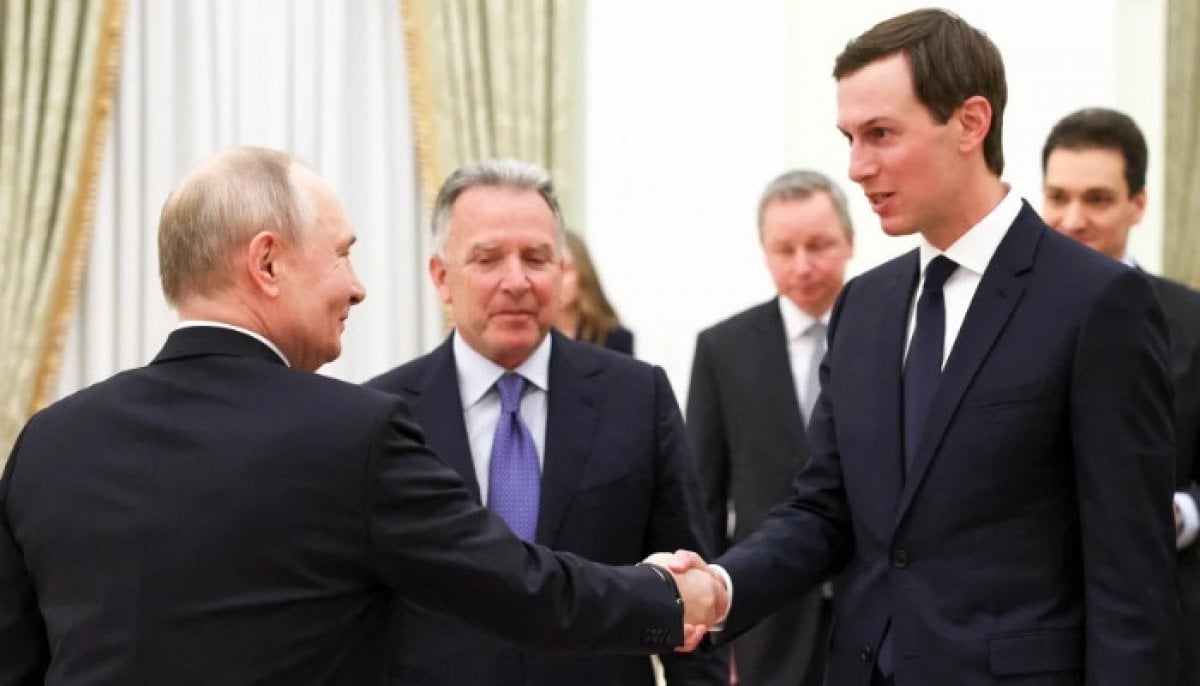
 Putin-Witkoff meeting: 5 key takeaways on Ukraine peace talks
 -
 Sheriff Chris Nanos insists Nancy Guthrie was taken alive
 -
 Yankees extend Brian Cashman's tenure after another disappointing playoff exit
 -
 Poland's abortion ban faces new challenge as lawmakers vote to loosen restrictions
 -
 New York Democrat Brad Lander released after detention in West Bank
 -
 Ohio chemical tank explosion triggers mass evacuations and shelter-in-place orders in Toledo
 -
 Trump suffers record low approval rating weeks before US midterm elections
 -
 El-Sayed leads Rogers by a narrow margin as Michigan Senate election approaches
-
 Russia ready for new Ukraine peace talks in November after Putin-Witkoff meeting
 -
Macron warns Trump, other foreign leaders to stop using France riots for political gain
-
Cost of living crisis deepens as fuel price surge pushes UK inflation to 10-month high of 3.5%
-
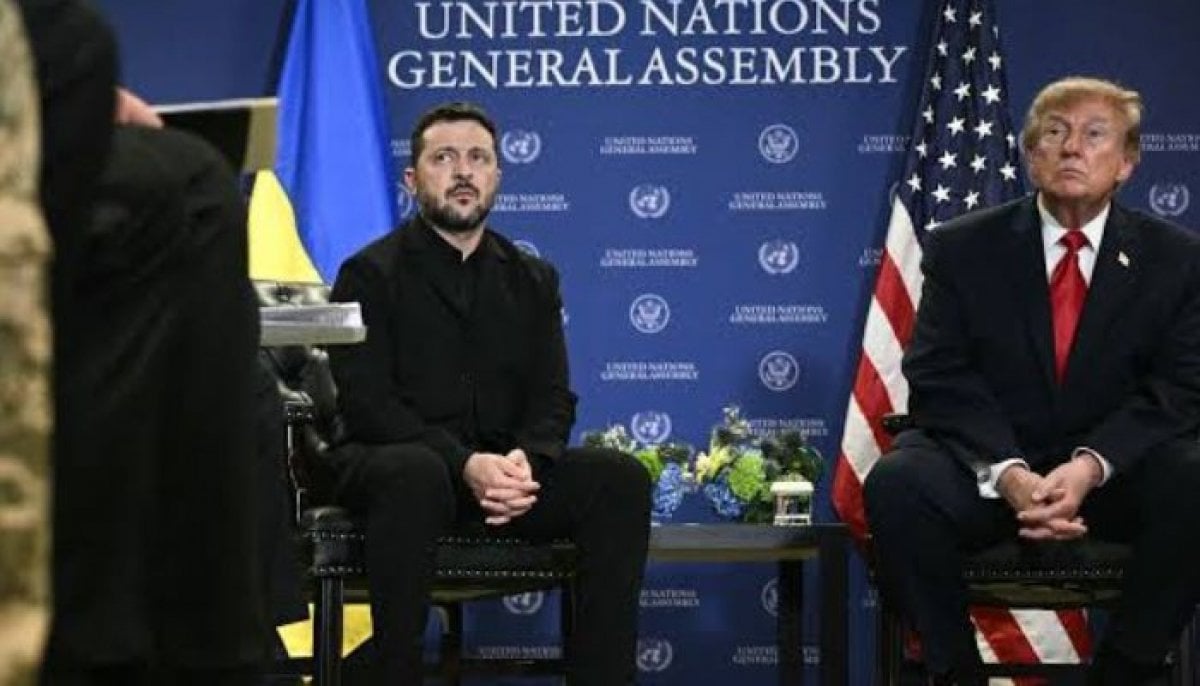
Ukraine’s Zelenskyy backs ceasefire, calls for fresh talks with US and Russia