Toby Kiers wins ‘Environmental Nobel' for pioneering research into hidden fungal networks
The recent breakthrough unveils the fungal networks that play a crucial role in our global climate and food systems
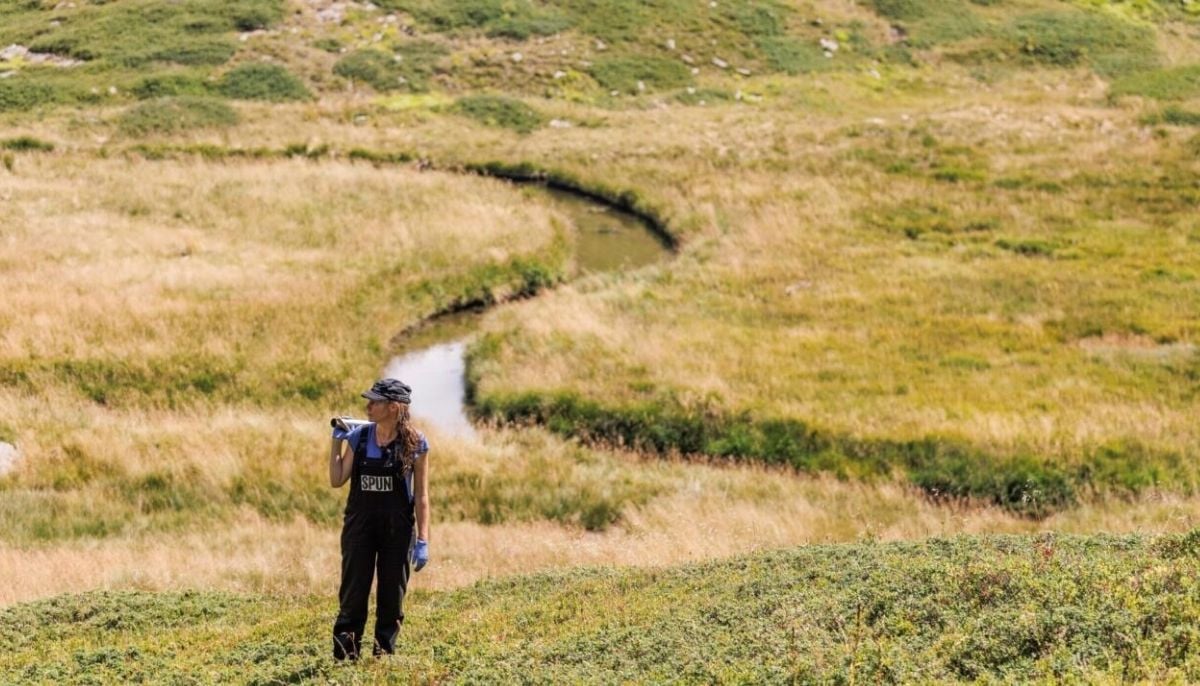
American evolutionary biologist Toby Kiers has been awarded the 2026 Tyler Prize for Environmental Achievement-a prestigious honor widely considered the “Nobel Prize for the Environment.”-for her incredible work in bringing the underground world into focus.
Study of soil biodiversity to guide new Global Conservation efforts
By mapping the presence of mycorrhizal fungi in the Global underground Atlas last year, Kiers and her colleagues have highlighted the importance of belowground biodiversity. Their research provides vital insights to guide conservation efforts aimed at protecting these vast carbon stores.
In this connection she said: “ I just think about all the ways that soil is used in a negative way-you know, terms like “dirtbag” as she noted in an AFP interview.”
“Whereas a bag of dirt contains a galaxy.” she further added.
Understanding the biological marketplace in living systems
To gain a better understanding, Kiers began studying fungi at 19, writing a grant proposal that won her a place on a scientific expedition to Panama’s rainforests. Therefore, she became intrigued by questions about what was happening beneath the massive trees of that diverse jungle.
Lab experiments led her team to realize that fungi actively move phosphorus from areas of abundance to areas of scarcity- securing more carbon in return by exploiting those imbalances. The fungi can even accumulate mass while exhibiting behaviour that replicates the tactics of Wall Street traders.
Acknowledging a debt of appreciation
To expand upon their study, Kiers and her colleagues have pushed the field further with two Nature papers that make this hidden world newly visible.
Their robotic imaging system once allowed scientists to watch fungal networks shine and redirect resources in real time, while other networks are mapped as distinct species are discovered across the globe.
Kiers co-founded the Society for the Protection of Underground Networks (SPUN) to map fungal biodiversity and advocates for its protection.
She maintains that this collaboration is foundational to life on Earth, as it was fungi that originally enabled the algal ancestors of modern plants to colonize terrestrial environments millions of years ago.


-
 Samantha Markle reveals what she knows as father faces FBI over child pornography allegations
 -
 What happened to child pornography stash found with Thomas Markle?
 -
 Ariana Grande gets a new look ahead of 'Focker-in-Law' release
 -
 Is Billie Eilish entering a new music era?
 -
 Miley Cyrus did something unexpected for her fan
 -
 Jenna Ortega makes surprising confession about 'Wednesday' success
 -
 JD Vance defends Musk on Starlink amid rising Ukraine tensions
 -
 Elon Musk invests in Ellison’s Skydance media company: Here’s why