First autistic barbie debuts as Mattel broadens inclusive play
Having first launched in 1959, now Barbie dolls come with a myriad of diversity
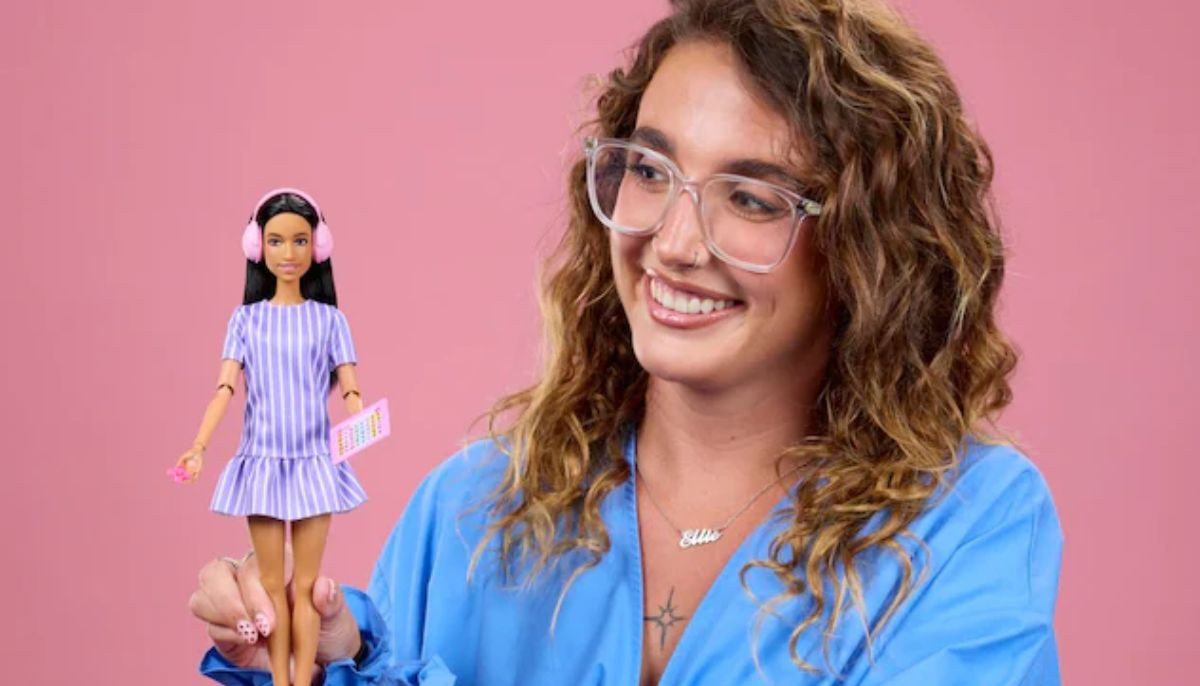
Mattel has introduced the first autistic Barbie as part of a campaign to boost doll diversity and widen inclusive play.
The recent Barbie addition comes after its first doll with type 1 diabetes which was launched six months earlier.
The autistic Barbie signals a shift toward inclusive toy design so more children “see themselves in Barbie” and to encourage all children to play with dolls that reflect the real-world reality.
According to the World Health Organization (WHO), more than one in 100 children is believed to be autistic. However, the autism symptoms vary from individual to individual.
Created in collaboration with the US charity the Autistic Self Advocacy Network, the toy is designed in a way that represents people dealing with autism.
The features of autistic Barbie include:
The doll looks to the side instead of straight ahead, showing the characteristic of autistic people as they don’t feel comfortable while looking directly at someone.
The toy has flexible elbows and wrists, allowing her to stimming and hand-flapping. These repetitive movements help these people stay calm, express excitement, and process sensory information.
She has a pink fidget toy on her finger, helping her to be relaxed during the stress.
Pink headphones around her ears block out loud noises that might feel disturbing.
Autistic Barbie carries a pink tablet with pictures on screen. The tablet helps her to cope with everyday communication.
She also wears loose-fitting, purple pinstripe and A-line dress with short sleeves which reduce fabric-to-skin contact.
Having first launched in 1959, now Barbie dolls come with a myriad of diversity, including blind dolls, Barbies with Down syndrome, prosthetic limbs, and hearing aids.





-
 Anna Faris breaks silence on doing 'dumb thing' ahead of 'Scary Movie' release: 'I'm shocked'
 -
 Britney Spears' 'completely inexcusable' DUI arrest becomes blessing in disguise?
 -
 Kristi Noem claims she was ‘blindsided by ‘crossdressing’ news: Insider talks suspicion
 -
 Cardi B reveals biggest weakness and fans didn't see that coming
 -
 Cher makes son Chaz Bono question his worth with 'cheap power move'
 -
 World’s oldest tortoise targeted in viral crypto death scam
 -
 'A Good Girl's Guide to Murder' season 2: Release date, cast, and more
 -
 Kanye West leaves fans speechless with floating Earth and mind-bending visuals