How to survive Snowstorm: Essentials preps, travel guide, driving tips explained
The worst snowfall in decades had left people helpless across Britain, Europe and parts of United States
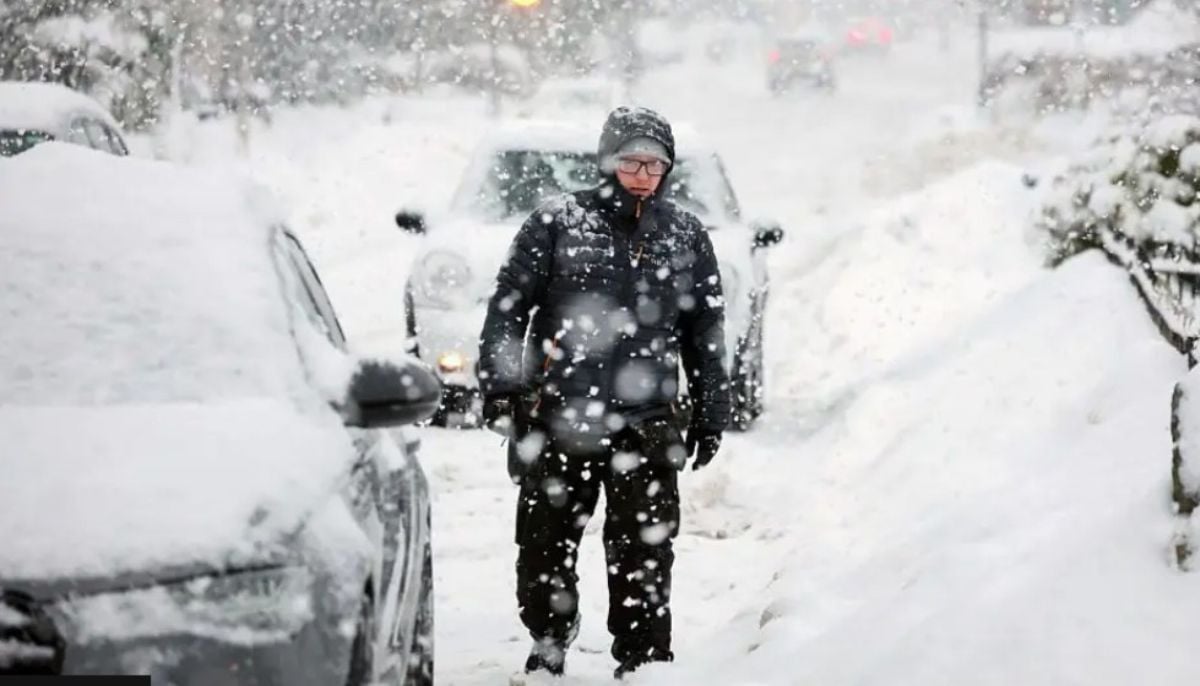
Tens of thousands of homes have been left without power after the worst snowfall in decades had left people helpless across Britain, Europe, and parts of the United States.
Moreover, public transport has already been disrupted, and many accidents have been reported amid the worst snowstorm.
Travel disruption is expected in many areas as hundreds of flights have been halted, and weather warnings for ice, rain, and snow are in place for large parts of the UK, France, and other regions affected by the storm.
How to survive snowstorms?
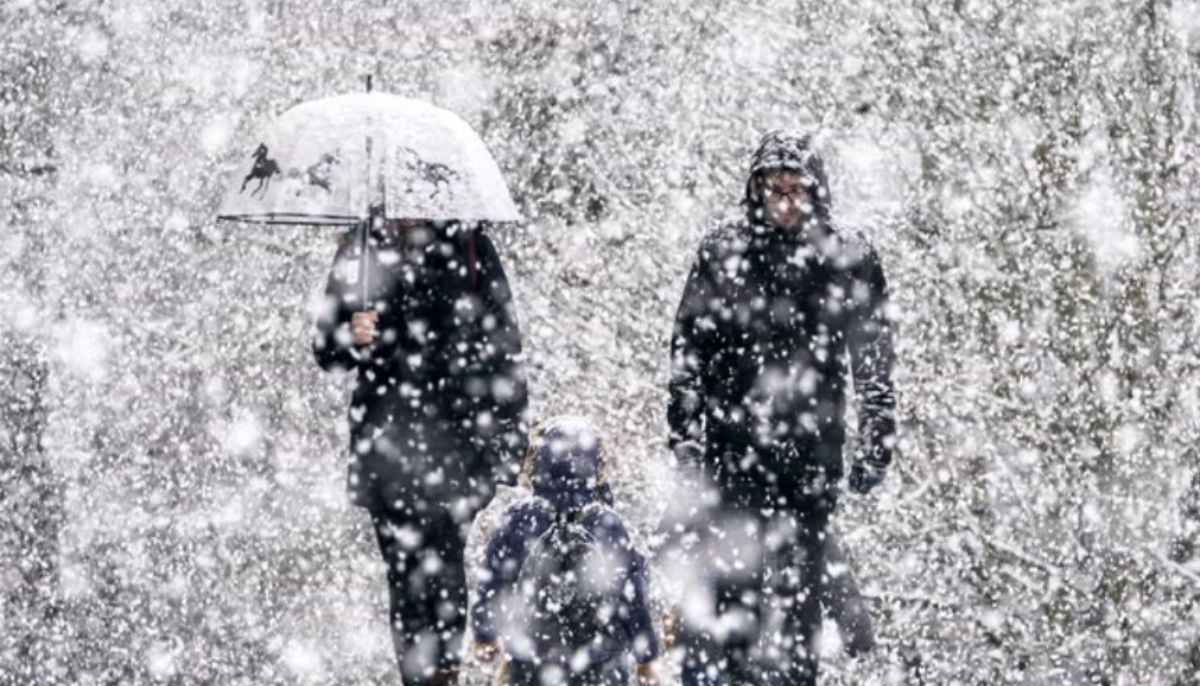
Snow seems very fascinating but can be so dangerous as well. Heavy snow and strong winds can cause damage to buildings, while heavy rain can lead to flooding & power outages and disrupt traveling, impacting everyday life.
People are advised to stay inside as much as possible and keep internal doors closed and unplug any non-essential electrical items in case of power surges.
If you do have to go out, avoid walking next to buildings, trees, and the sheltered side of walls or fences, in case of collapse.
Do not attempt to repair any damage to your property or possessions while a storm is in progress.
Stay alert for weather warnings on local radio and TV, and check government and news websites for the latest updates.
In case you become trapped by floodwater after snow melts, you should go to the highest level of the building you are in.
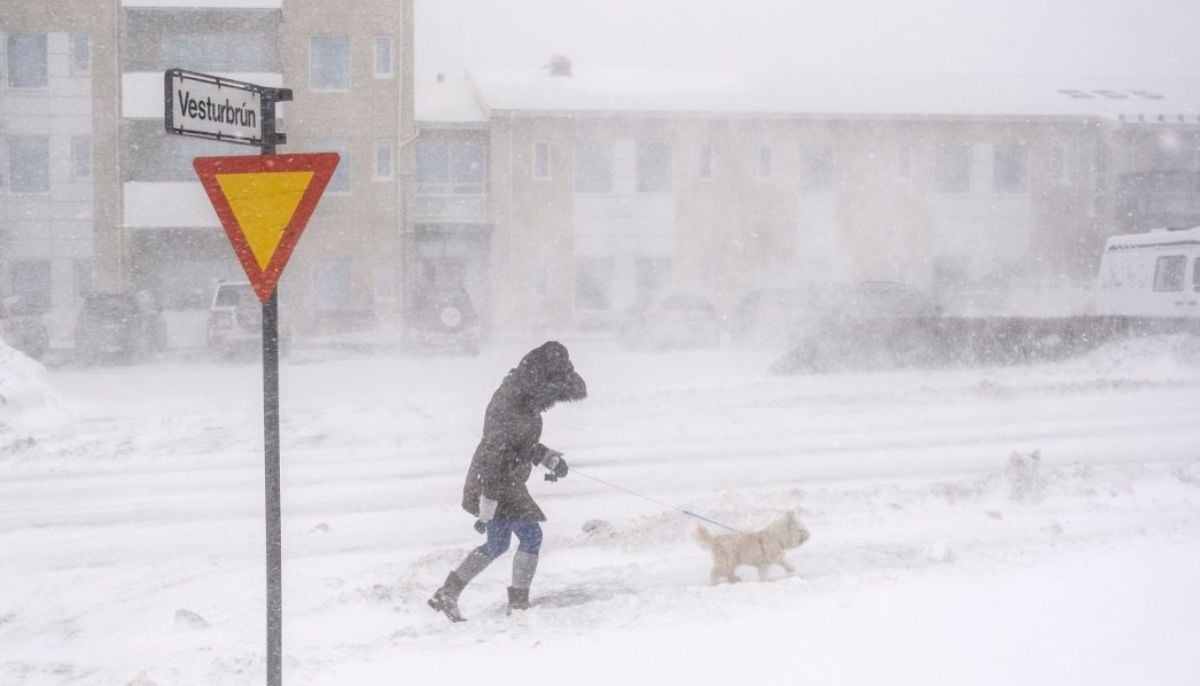
Don’t forget your pets and create a safe place to keep them indoor during severe weather.
The Royal Society for the Prevention of Cruelty to Animals RSPCA advises bringing all animals inside, external and ensuring you have sufficient food, bedding, and fresh water.
While experiencing a flood, avoid attic spaces due to the risk of being trapped by rising water, and only go onto the roof if absolutely necessary.
How to stay safe while traveling during a snowstorm?
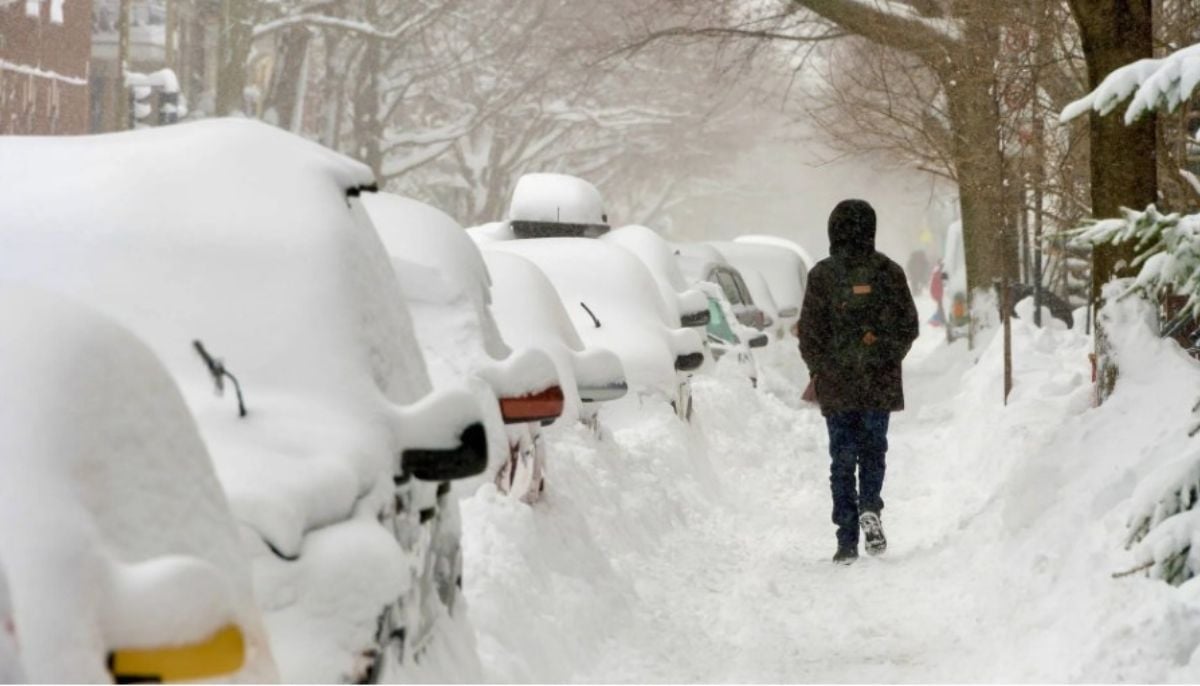
Driving in these conditions is always dangerous; road safety services advise people to prioritize safety over everything else.
If it's a journey that can be postponed, then avoid traveling, and even if it's official, then work from home.
Moreover, people facing a snowstorm should regularly monitor weather warnings for snow and ice and locate safe zones.
Experts have further guided how to stay safe while driving amid harsh snow blizzards if you do have to travel:
• Plan your travel route and check for delays and road closures
• Take time to prepare and check your car before setting off
• Check wipers, tires, and screenwash.
• Make sure you have essential supplies such as warm clothing, food, drink, blankets and a torch, and carry a fully charged phone.
If struck in a storm, seek immediate help or call your designated emergency helplines according to your region.
Tips for Safe driving
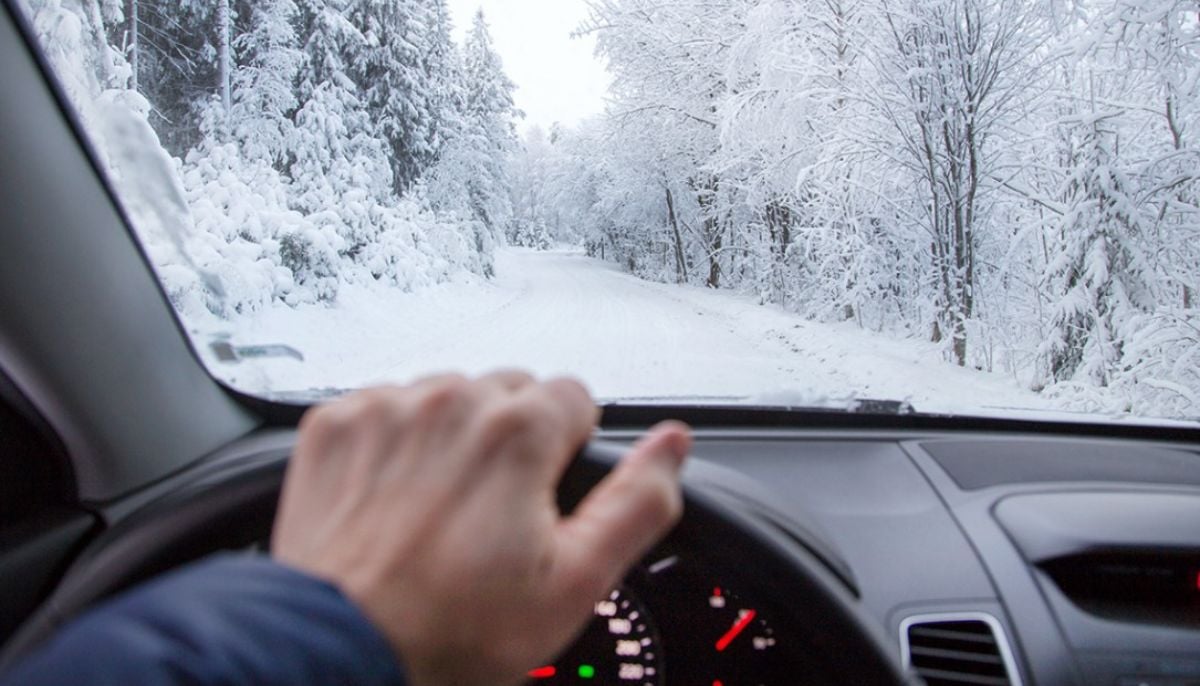
• Use dipped headlights or fog headlights and accelerate gently, use low revs, and change to higher gears as quickly as possible.
• To avoid skids, driving in second gear will help with wheel slip.
• Maintain a safe and steady speed while keeping your distance from other vehicles.
• Keep a constant speed up hills and leave plenty of room between cars.
• Use a low gear to go downhill and try to avoid braking unless necessary.
• Steer into skids, and do not take your hands off the wheel or slam on the brakes.
Staying Safe during Power cuts
Following simple steps will help keep you safe during snow days:
• While staying inside, keep the thermostat set to the same temperature, both during the day and at night.
• Turn off electrical heaters and put out your fire before going to bed to avoid fire risk.
• Prevent frozen pipes: open kitchen and bathroom cabinet doors to allow warmer air to circulate around the plumbing.
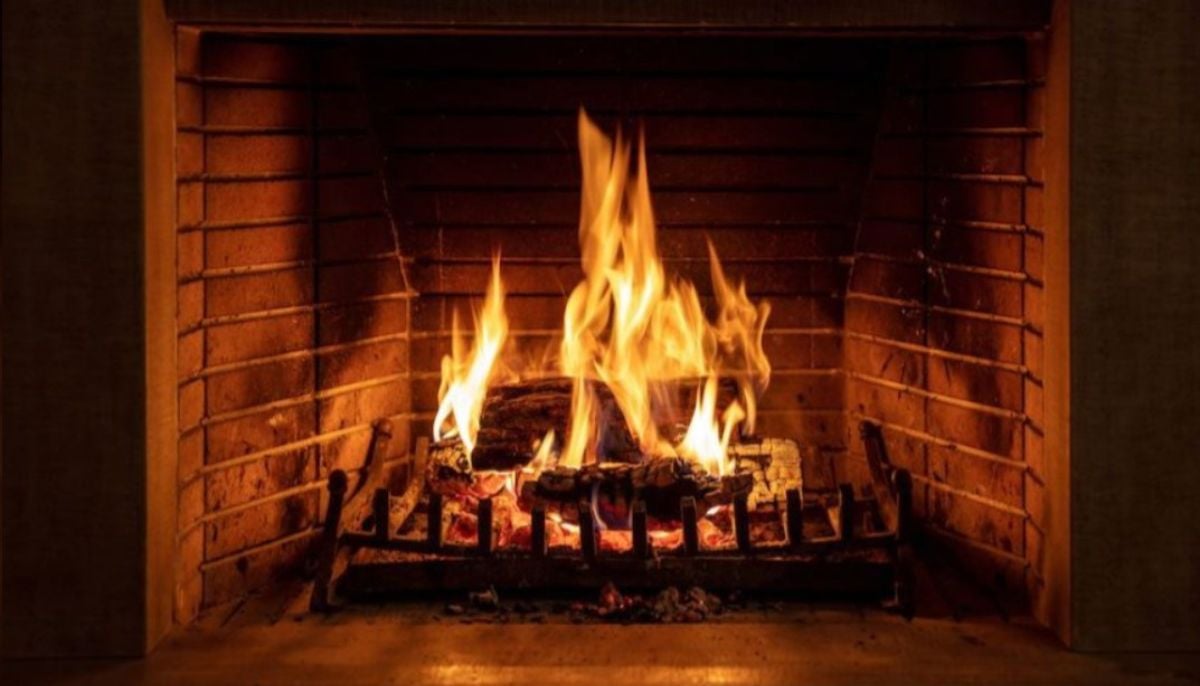
• Never use a hob or oven to heat your home, they can increase carbon monoxide levels that can be harmful for health.
• Stay indoors wearing layers of warm clothing to keep yourself warm even without heating devices available.
Prepare your home before storm hits
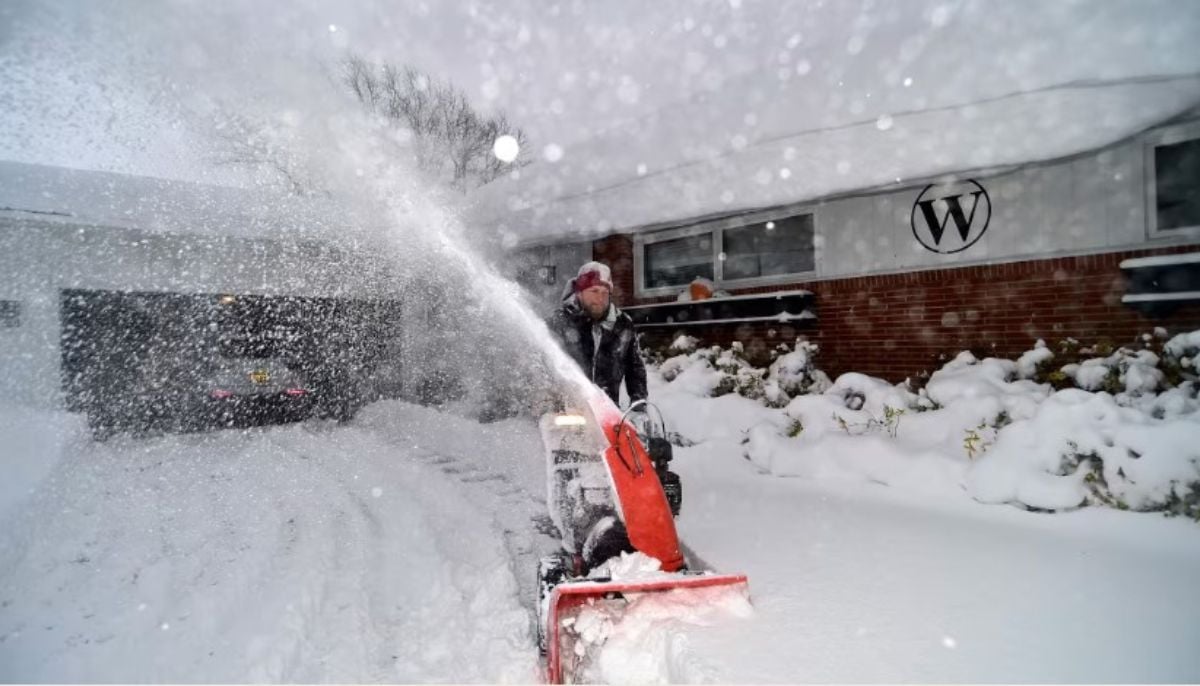
Whether experts guide people to prepare for a storm beforehand as soon as they receive weather warnings or snow alerts.
• To start with the preparations, secure any loose objects outside your property, such as bins, ladders, trampolines and outdoor games, garden furniture and tools
• Check fences and roof tiles are secure.
• Clear guttering, including debris such as moss and leaves, and if possible, remove any loose or overhanging branches.
• Close and fasten external doors and windows and secure storm shutters.
• Park vehicles in a garage, or else ensure they are as far away as possible from buildings, trees, and fences.
• Make sure you know how to turn off your gas, electricity, and water in case you have to leave your home.
• Charge mobile phones and any other critical devices, including battery packs.
• Gather all important documents, such as passports and driving licenses, and make sure you have contact and policy details for your insurance company.
• Additionally, store extra dry food items, and make sure you have all necessary medicines and daily essentials required.






-
 Anna Faris breaks silence on doing 'dumb thing' ahead of 'Scary Movie' release: 'I'm shocked'
 -
 Britney Spears' 'completely inexcusable' DUI arrest becomes blessing in disguise?
 -
 Kristi Noem claims she was ‘blindsided by ‘crossdressing’ news: Insider talks suspicion
 -
 Cardi B reveals biggest weakness and fans didn't see that coming
 -
 Cher makes son Chaz Bono question his worth with 'cheap power move'
 -
 World’s oldest tortoise targeted in viral crypto death scam
 -
 'A Good Girl's Guide to Murder' season 2: Release date, cast, and more
 -
 Kanye West leaves fans speechless with floating Earth and mind-bending visuals