AI boom triggers 2025 environmental crisis: CO2 emissions, water usage skyrocket
'The environmental cost of AI boom is pretty huge in absolute terms' study reveals

The recent research study has shed light on AI boom-driven environmental costs characterized by high carbon dioxide emissions and water consumption.
The study was carried out by the Dutch academic Alex de Vries-Gao, the founder of Digiconomist, a company that assesses the consequences of tech-based trends.
The research is considered one-of-its kind of attempt to analyse the broad-spectrum impacts of artificial intelligence, including chatbots, Gemini and ChatGPT, on the Earth.
According to compiled figures published in the journal Patterns, the AI-driven greenhouse gas emissions have reached a level which is equivalent to more than 8 percent of global aviation emissions.
Moreover, the 2025 carbon footprint caused by heavy deployment of AI systems could be as high as 80m tonnes. The water consumption could also reach 765 billion litres.
Alex de Vries-Gao said, “The environmental cost of this is pretty huge in absolute terms. At the moment society is paying for these costs, not the tech companies.
“The question is: is that fair? If they are reaping the benefits of this technology, why should they not be paying some of the costs?, he added.
Earlier this year, the International Energy Agency also explained the cost of AI-powered datacentres in the form of high consumption of electricity. By 2030, the consumption is going to be more than double.
“Worse, it is likely just the tip of the iceberg. The datacentre construction frenzy, driven by generative AI, is only getting started. Just one of these new ‘hyperscale’ facilities can generate climate emissions equivalent to several international airports,” said Donald Campbell, the director of advocacy at Foxglove.
As per IEA reports, these datacentres possess capability to consume as much power as 2m households.
Among all countries, the US accounts for the largest consumption share of 45 percent. China and Europe hold 25 and 15 percent shares respectively.


-
 Trump weighs Iran deal as he demands Hormuz Strait stay open
 -
 Queen Elizabeth II: King Charles' mother remembered on christening anniversary
 -
 Claude Lemieux cause of death sparks concerns among hockey community
 -
 Sarah Ferguson lands in new trouble as she issued stark warning about secret videotape: 'Diddy recorded everything'
-
 Blue Origin’s New Glenn rocket explodes: NASA responds to impact on lunar base mission
 -
 Scientists map hidden Antarctic Marginal Ice Zone in Southern Ocean for first time
 -
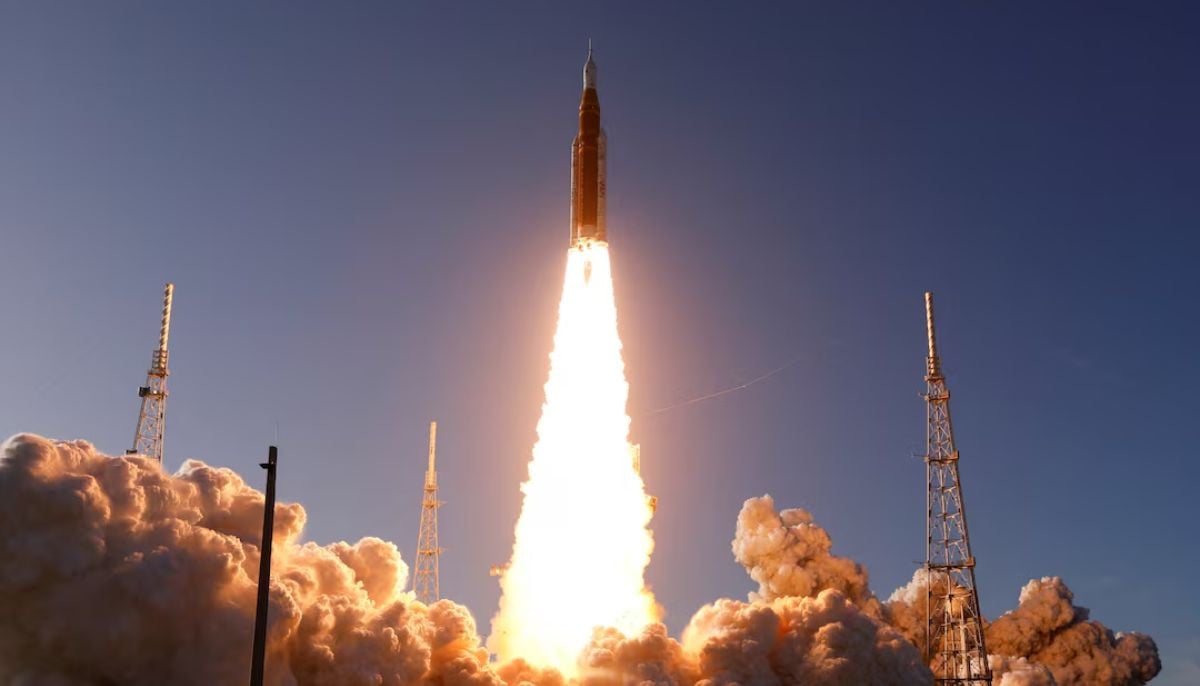 Who are the Artemis 3 astronauts? NASA announcement coming June 9
 -
 Blue Moon 2026: How it highlights the mechanics of our Solar System
 -
 China sends artificial embryos into space—Could humans reproduce in zero gravity?
 -
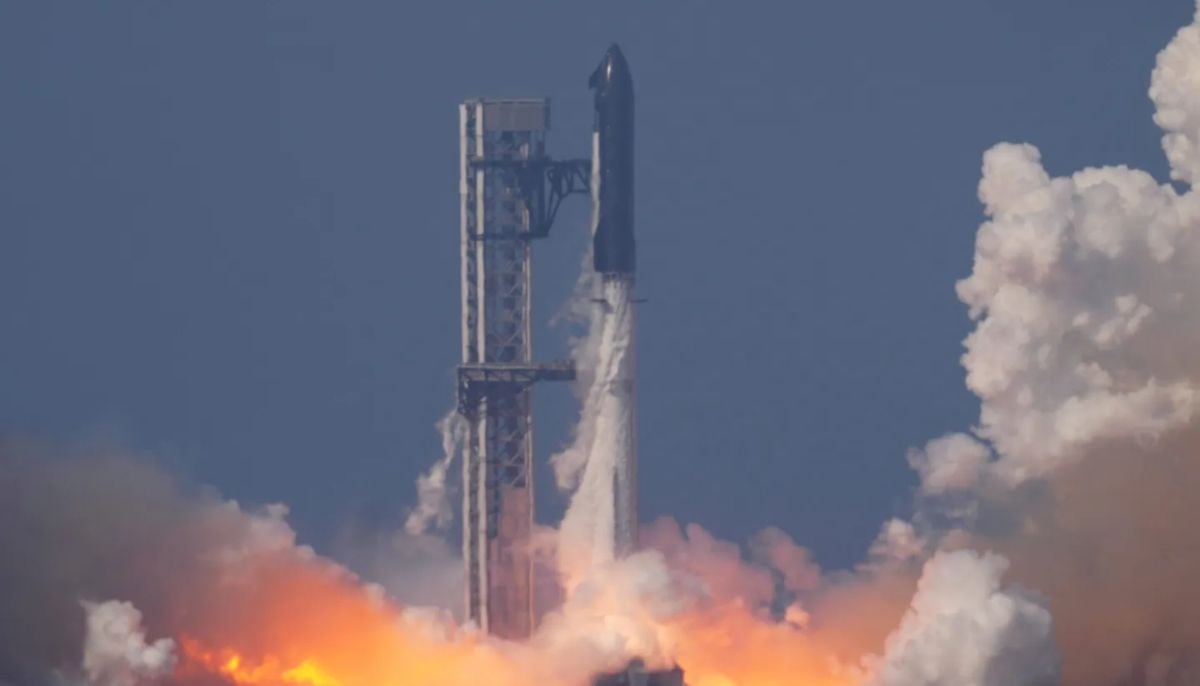 SpaceX IPO buzz intensifies as strategists debate $2 trillion valuation
 -
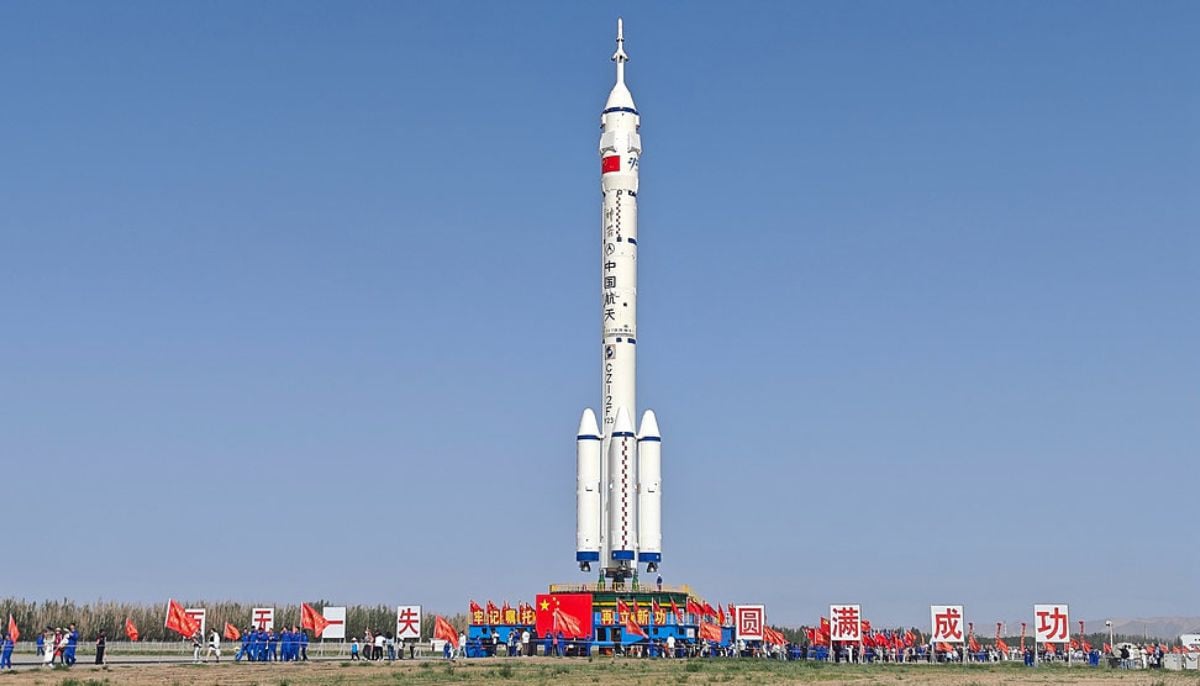 China to launch Shenzhou 23 crew to Tiangong space station
 -
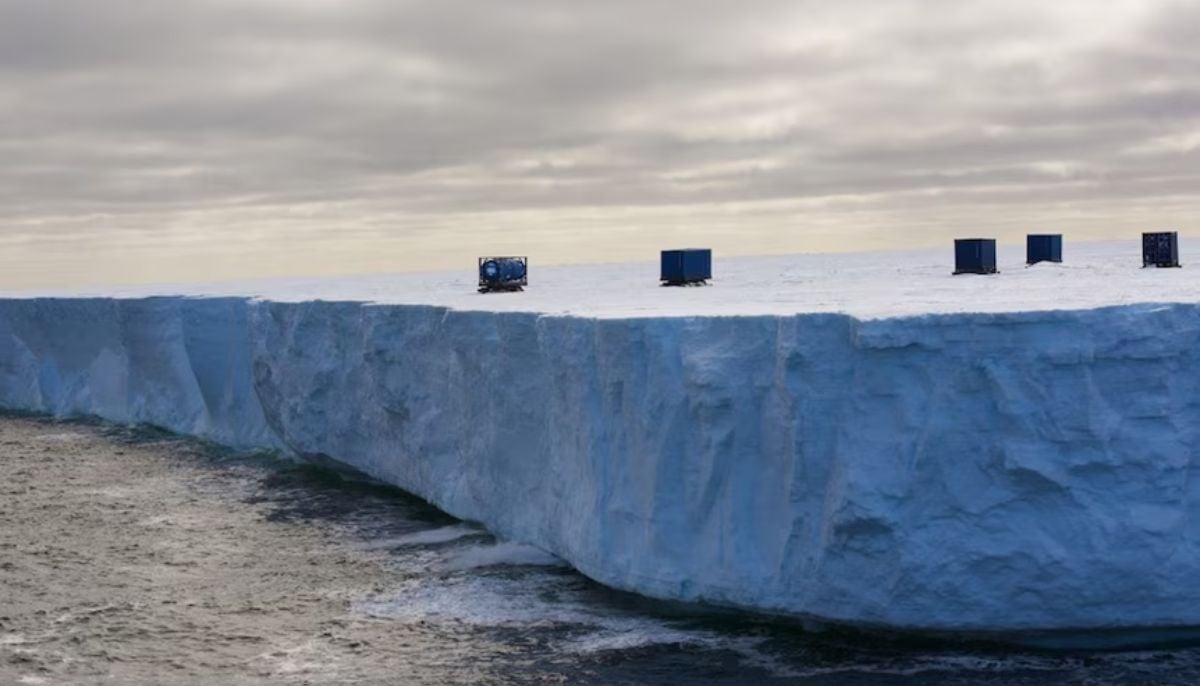 Antarctic blizzard sends fuel containers floating on an iceberg: Here’s why