New study suggests early Mars conditions may have supported life
Early Mars hosted persistent conditions suitable for life for a longer period of time
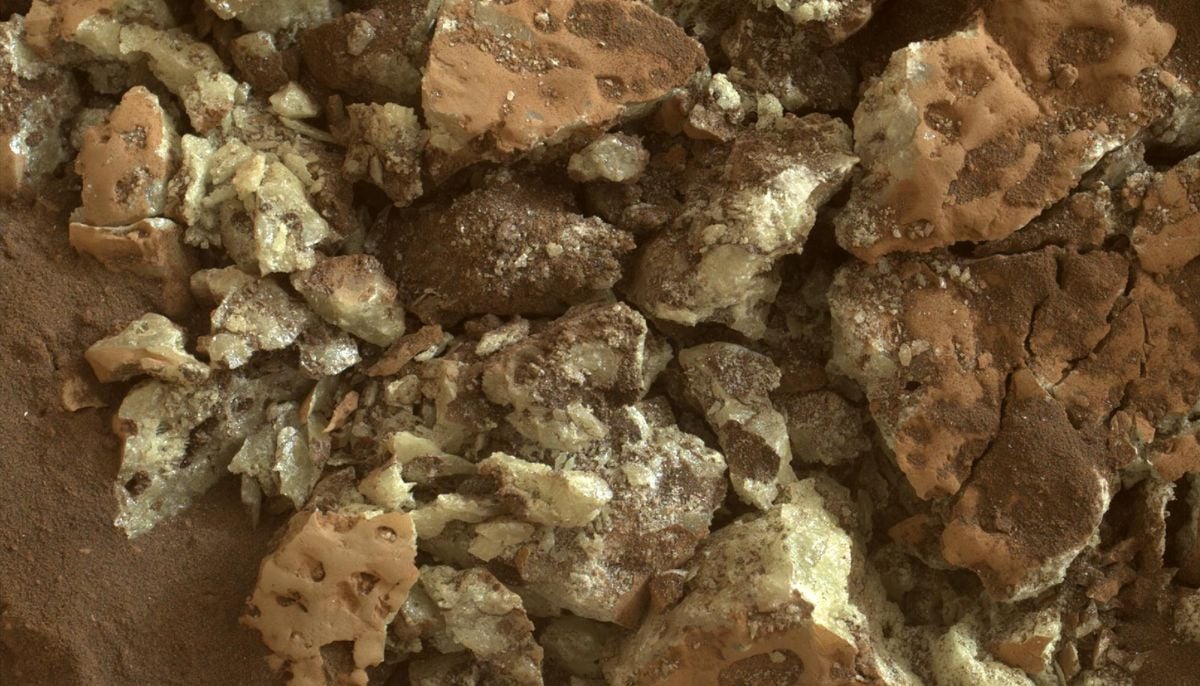
In a new study scientists are working to understand that early Mars’s atmosphere could have supported life.
The study findings primarily showed that volcanic eruptions released sulfur gases that helped warm the planet through a greenhouse effect.
The study was published in Science Advances, and the results suggest new avenues to explore from the chemistry of ancient Mars.
The team further analyzed the composition of Martian meteorites and used that knowledge to run more than 40 computer stimulations.
However, the models were tested under distinct chemical conditions, and gas concentrations to evaluate how much carbon, nitrogen, and sulfur-based gases were produced from Martian volcanoes.
The results further suggest that climate models should include high levels of sulfur dioxide (SO₂).
The findings demonstrated that volcanic activity on Mars 3-4 billion years ago released large amounts of extremely reactive sulfur species.
It has been observed that it comprises hydrogen sulfide (H₂S), disulfur (S₂), and sulfur hexafluoride (SF6), which is a colorless and non-flammable synthetic gas with high electrical properties.
Keeping in view the previous Mars studies which have confirmed that the release of gases at the surface have left a significant impact on the planet’s atmosphere.
Scientists are concentrating their efforts on analyzing ancient Martian sulfur cycles.
Further the study suggests the geological processes by which the sulfur compounds detached from other minerals as they were incorporated into magma layers below the planet’s crust.
Nonetheless, the findings mark a significant and more realistic understanding of the chemical state of the gas.
The intriguing study offers new insights into the planet’s early conditions while reinforcing the search for past Martian life.


-
 Chappell Roan's security guard takes 'full responsibility' for his interaction with Jorginho's daughter?
 -
 'Buffy' star Nicholas Brendon's death case takes massive turn
 -
 Meryl Streep left shaken on 'The Devil Wears Prada 2' set: Here is what shocked her
 -
 Savannah Guthrie 'Today' return: Fans receive exciting update as search for Nancy continues
 -
 Kim Kardashian shares cryptic message after Lewis Hamilton vow
 -
 'Heated Rivalry' season 2: Jacob Tierney teases shocking twist
 -
 '13 Going On 30' reboot confirmed: Jennifer Garner returns with new cast
 -
 Why Elon Musk sees Starship as humanity’s only bridge to Mars
-
 Stephen Colbert reveals secret project in 'Lord of the Rings' universe but he is not alone
 -
Alan Ritchson gets clean chit in violent altercation with neighbor
-
John Stamos reveals his unique take on fatherhood ahead of upcoming book
-
Miley Cyrus says something surprising about Disney stars Zac Efron and Vanessa Hudgens