AI vs superbugs: Next big weapon against antibiotic resistance?
Drug-resistant infections have become a growing problem, also known as ‘the silent pandemic’
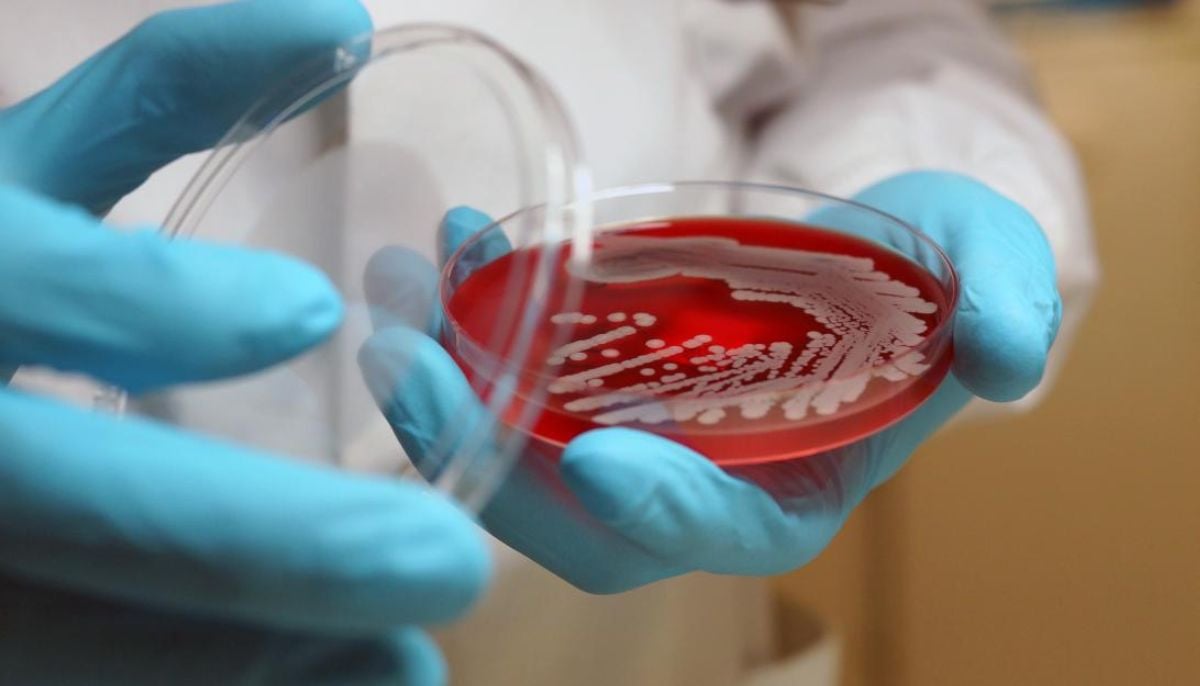
In recent years, superbugs have become a global threat to healthcare. Given the fatal nature, the UK scientists have come forward to tackle antibiotic resistance by using artificial intelligence (AI).
Under this project, a collaboration between the Fleming initiative and the pharmaceutical company GSK, the researchers aim to expedite the discovery of new antibiotics and deliver new ways of tackling the threats.
As per global data, bacterial infections have become resistant to antibiotics and antimicrobial resistance (AMR) is projected to kill 39 million people by 2050.
In this three-year initiative, around 50 researchers will work on this AI-powered project, which launches early next year with £45 million (€51 million) investment on six fields of research.
“Antimicrobial resistance is one of the biggest challenges we face in the [National Health Service] and across the world,” said Tim Orchard, who helps run the Fleming Initiative.
“Drug-resistant infections are increasingly difficult to treat and pose a growing risk to patients,” Orchard added.
The AI tool will specifically be used for a tricky group of infections, called Gram-negative bacteria, including E. coli and Klebsiella pneumoniae. These types of bugs can block the entry of antibiotics and release the bacterial defences, thereby making antibiotics ineffective.
In one project, researchers will develop an AI tool to design and assess the efficacy of new antibiotics against multi-drug-resistant gram-negative infections.
As per GSK, the data gathered from the model will be shared with scientists globally for next-gen treatments.
Some researchers will also use AI to understand the response of the immune system to S. aureus in order to develop effective vaccines.
The partnership will also employ AI to predict how superbugs emerge and spread.
“We urgently need new solutions and interventions for tackling drug-resistant infections, which will only be achieved if we pool our expertise,” Orchard said.
According to Tony Wood, the chief scientific officer at GSK, AI will help the scientific community to open new avenues for the discovery of novel antibiotics and outpace the resistance that superbugs develop against medicines.


-
 Sam Worthington to star in Hulu’s new spy drama ‘The Parsifal Mosaic’
 -
 Netflix renews 'The Beast in Me' for season 2 despite limited-series status
 -
 Sydney Sweeney faces criticism from ‘Euphoria’ co-star over sports betting ad
 -
 Corey Gamble keeps Kris Jenner ‘grounded’
 -
 Xi Jinping makes surprise panda announcement during his US visit
 -
 Kate Middleton receives invitation from Kylie Kelce
 -
 Michael B. Jordan joins star-studded 2026 CultureCon lineup
 -
 US weekly jobless claims drop below expectations: Here’s why