Next-gen space labs may be key to curing incurable MND
Motor neuron disease is a progressive neurological condition that causes extensive neural damage
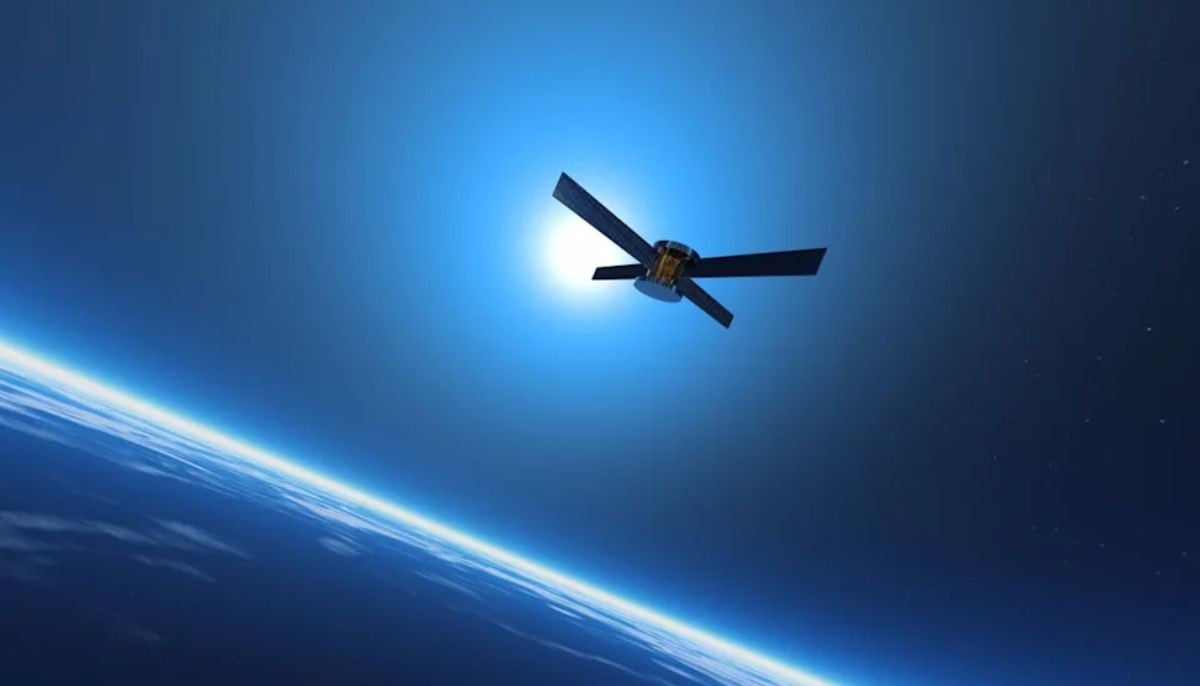
In a recent breakthrough, scientists assert that a new generation of space laboratories that orbit Earth could offer a new hope for the treatment of incurable motor neuron disease (MND).
These labs can utilize the suitable conditions, such as cosmic radiation and microgravity provided by space to become a new frontier for drug development and discovery.
Given the efficacy of these space labs, various pharmaceutical giants are pouring plenty of investment for developing such labs.
While some companies, including Merck, Bristol Myers Squibb, and Eli Lilly have pursued research on drug development at the International Space Station (ISS).
Moreover, Varda Space industries are developing unmanned “factories in space” to manufacture revolutionary drugs to be used on Earth.
The research on the treatment of MND will be led by professor Alysson Muotri, who will present a lecture on space-induced neural senescence.
Professor Muotri will explore how this phenomenon will unlock new possibilities for using organoids to model MND and bring researchers one step closer to effective treatment.
“Space can accelerate the senescence of human brain cells, compressing the research time into practical terms. Right now, we do not have an age-relevant human model for MND and this strategy can likely help,” he said.
In space, the cellular ageing caused by cosmic radiation will help the researchers to observe decades of ageing in days, thereby offering insights into possible pathways for MND.
Motor neuron disease is a progressive neurological condition that causes extensive neural damage, leading to cramps, weakness, swallowing, and speech difficulties.


-
 Lamine Yamal strongly warned about romance with girlfriend Ines Garcia
 -
 Lamine Yamal’s girlfriend Ines Garcia hits 4 Instagram followers after Spain’s World Cup win
 -
 US sports betting nears $300 billion as experts warn of addiction risks
 -
 Are we closer to a real-life ‘genie’ that grants any wish: Here's what Sam Altman thinks
 -
 Elon Musk’s recent claim about Bill Gates sparks fresh online controversy
 -
 Watch: Kaitlan Collins’ reaction to Trump’s remarks
 -
 Max Verstappen slams ‘broken’ Red Bull after Hungary shocking qualifying disaster
 -
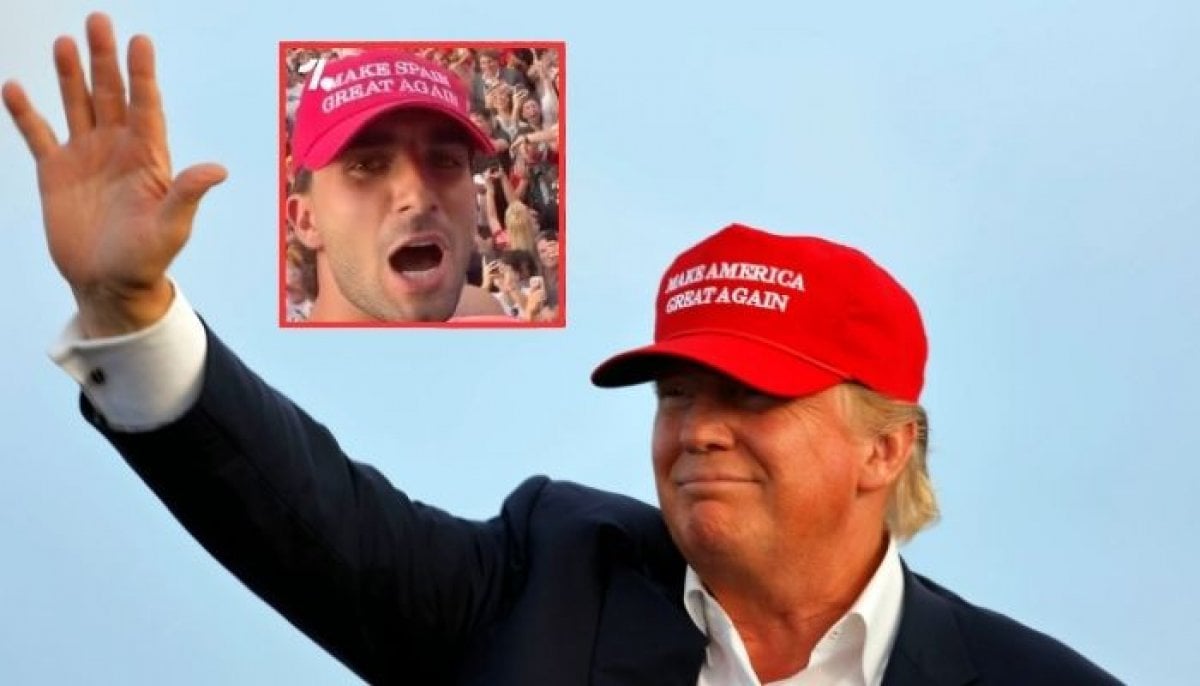 Trump reacts to Ferran Torres' viral 'Make Spain Great Again' hat
-
 Ferran Torres, Marcos Llorente become target of false claims after Ibiza photos go viral
 -
Typhoon Noul nears Southern China, prompting high alerts and public transport suspensions
-
Is Trump running for next term as US president? Fact-checking viral claim
-
Why Trump’s gala address made headlines: Insults, potshots and more