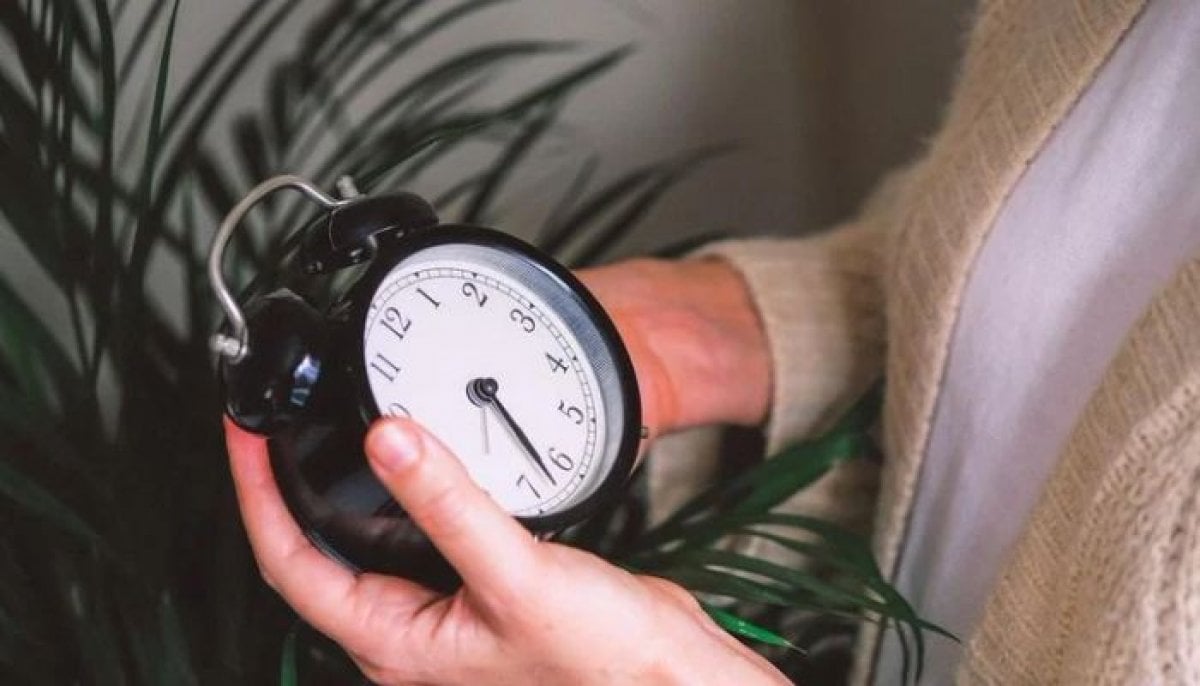
Wabi-Sabi is internet's new obsession: Here's what you need to know
Wabi-sabi is more than a vibe; it’s a philosophy of embracing imperfection and finding beauty in authenticity.
Just when you assumed the internet could not possibly invent another super-specific aesthetic, it proved you wrong by digging up a clip from the animated classic King of the Hill.
It was an animated sitcom that aired in the United States from 1997 to 2010.
And boom—‘wabi-sabi’ has suddenly become the internet’s new obsession.
If you’ve been surfing through TikTok lately, you’ve probably seen it.
You scroll, pause, and think, ‘Wait, what does wabi-sabi mean, and why is everyone talking about it?’ If so, you’re not alone.
It’s the latest trend generating buzz everywhere, from cozy room makeovers to imperfect coffee art.
But wabi-sabi is more than a vibe; it’s a philosophy of embracing imperfection and finding beauty in authenticity.
What is the origin of the 'wabi-sabi' TikTok audio?
On TikTok, wabi-sabi has been reimagined as the antithesis of 'glow-up' culture—a slang term that says, ‘It's okay to be messy, real, and a little whimsical.
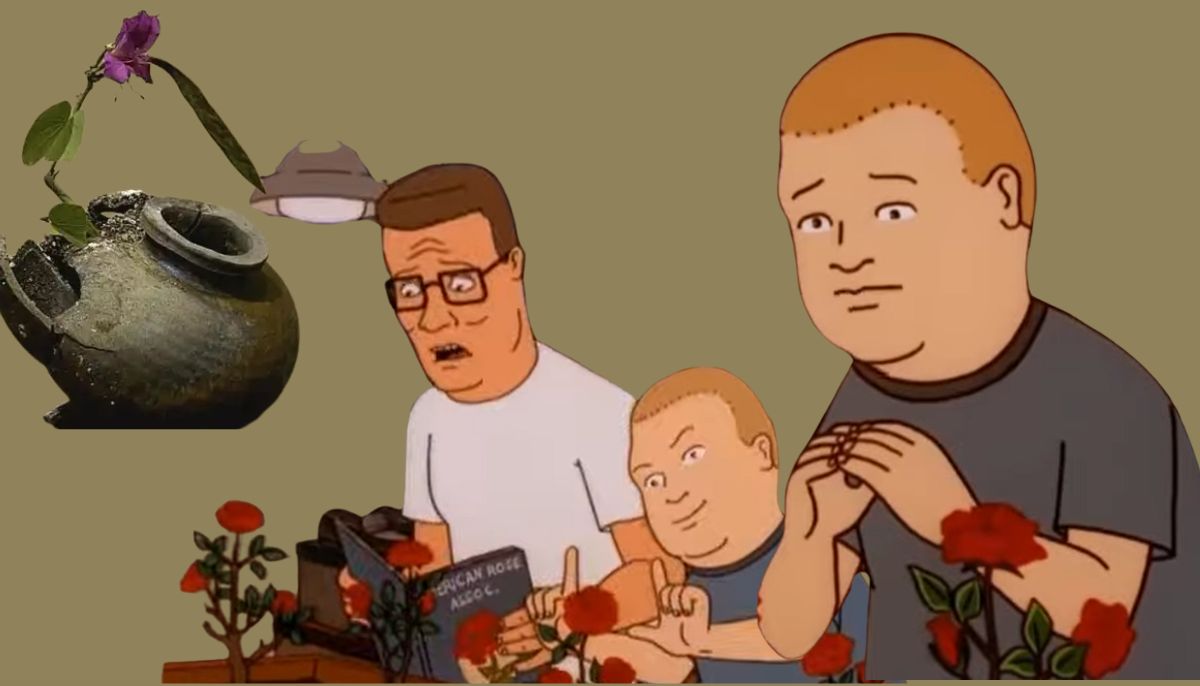
In one episode of 'King of the Hill', Bobby proudly picks a rose, imperfectly bloomed, and announcing it has “wabi-sabi.”
His father, perplexed and a bit annoyed, indicates he’s just probably making it up.
Bobby gently counters by saying the term hints at cherishing the beauty in flaws, using instances like cracks in iconic monuments or unique traits of celebrities.
In its exact social media vibe, the clip’s raw energy is its greatest asset.
Content creators on TikTok and Instagram under the banner of this soundtrack are showing wonky pastries, well-worn jackets with a unique story to tell, and home decor that defiantly refuses to match.
The vibe is simple to explain: Flawed? Yes. Fabulous? Absolutely.
What does the term "wabi-sabi" stand for?
While social media users are dealing with the wabi-sabi trend like a cute justification for a little chaos, the concept has deep Japanese roots.
First thing first, Wabi Sabi isn’t a TikTok creation on its own, it traces its origin way back to a Japanese concept and aesthetic that cherishes imperfection, impermanence, and the beauty of things that are “imperfect, impermanent, and incomplete.
Think of it like cracking poetry, faded paint, or a sunbeam hitting dust motes just so. It’s poetic and kind of zen.
It’s the art of finding the beauty in its flaws, like a slightly burnt batch of brownies.
A leaning shelf? That chipped mug with more history than your family group chat? All of it is wabi-sabi.
Let’s be honest: Gen Z has already nailed the ‘messy but aesthetic’ look as a 24/7 vibe.
With many trends like photo dumps and beige flags, the wabi-sabi rise appears unstoppable.


-
 Billy Corgan says he doesn't believe Marilyn Manson is guilty
 -
 Lady Gaga’s behind the scenes attitude revealed
 -
 The Weeknd unveils surprise new song during Hong Kong tour
 -
 Manhunt underway after prisoner Anthony Lloyd escapes Lewisham facility
 -
 Early in-person voting begins in key states, including Florida and Michigan
 -
 ‘Clayface’ targets box office crown and claims No. 1 spot
 -
 Tesla Roadster prototype goes on display at Petersen Museum
 -
 Kanye West official Jakarta concert after-party confirmed