Brian Cox responds to 3I/ATLAS mystery, challenges Avi Loeb’s alien theory
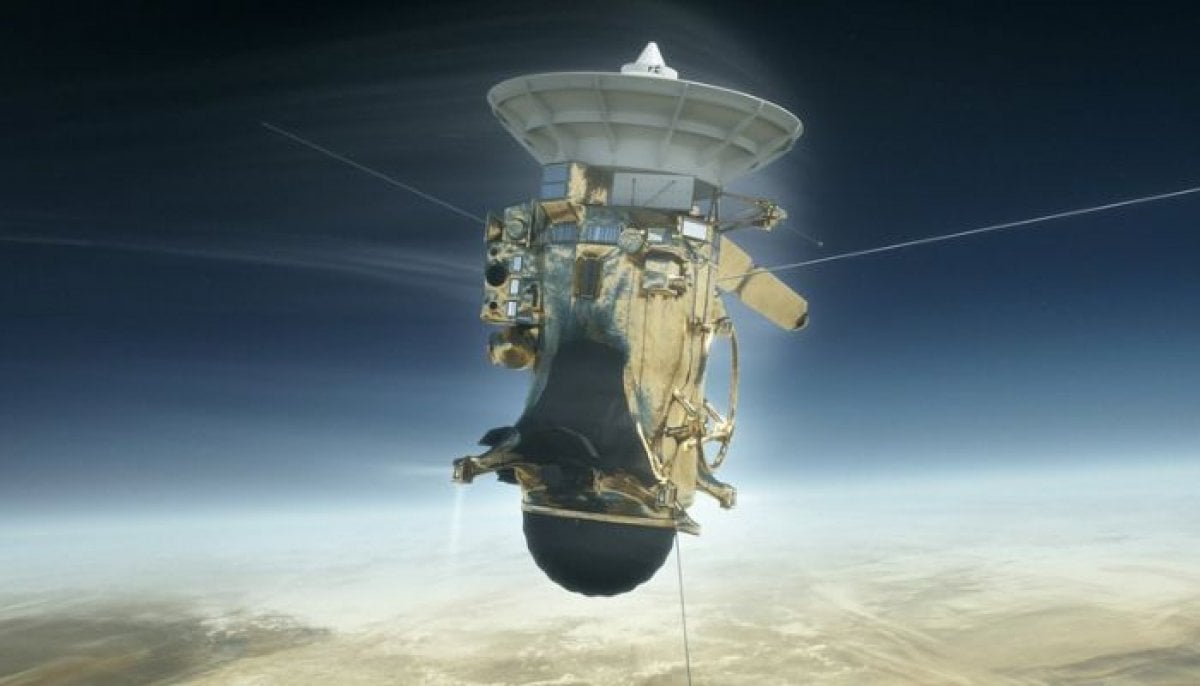
3I/ATLAS was discovered on July 1, 2025 by Asteroid Terrestrial-impact Last Alert System (ATLAS) team
Mysterious interstellar visitor 3I/ATLAS, since its discovery, has become a debatable issue in the scientific community regarding its nature and origins.
Physicist Brian Cox, while speaking to the BBC, shed light on the age and origins of 3I/ATLAS.
According to Professor Cox, the interstellar comet holds an immense significance, describing it as a time capsule which offers insights into the secrets of the early universe.
“As per estimate, it might have formed seven and half billion years ago. It was made before Earth and the Sun and had formed out of clouds of dust. And it has been making rounds in our Milky Way galaxy,” professor said.
The composition of Interstellar will unravel the mysteries related to time and cosmic neighbourhoods by serving as a physical link to the universe's distant past.
In a post shared by @Astronomy Vibes, Professor Cox also responded to the nature of 3I/ATLAS at Perihelion.
He dismissed the alien theories related to interstellar comet 3I/ATLAS and called it “a completely natural object: made of carbon dioxide, water ice, and cosmic dust.”
The response about the nature of 3I/ATLAS came as a challenge to Harvard astrophysicist Avi Loeb who considered the object as “alien probe or technology” and “Trojan Horse" not a natural comet.
3I/ATLAS is the third interstellar object found hurtling in the solar system.


-
 Joe Manganiello shares hospital photos after losing 60 pounds during illness
 -
 Lee Andrews sparks speculation with ‘controversial’ Instagram bio change after Katie Price split
 -
 Russell Brand rape accuser describes fears after alleged 1999 attack
 -
 Diddy’s family reacts to reports he fought another inmate after head injury
 -
 Drake cements Spotify dominance: Here are the stunning figures
 -
 Neil Young backs Tom Cruise’s divisive ‘Digger’ amid negative reviews
 -
 Los Angeles Dodgers' Alex Call criticizes ads featuring Sydney Sweeney, Megan Fox
 -
 Elon Musk hypes 'Beyond Human' Tesla Roadster ahead of long-awaited debut