Europe aerospace giants to launch ‘Project FOMO’ to rival Elon Musk’s SpaceX
Airbus, Thales, and Leonardo ventures to combine satellite activities to compete with SpaceX
_updates.jpg)
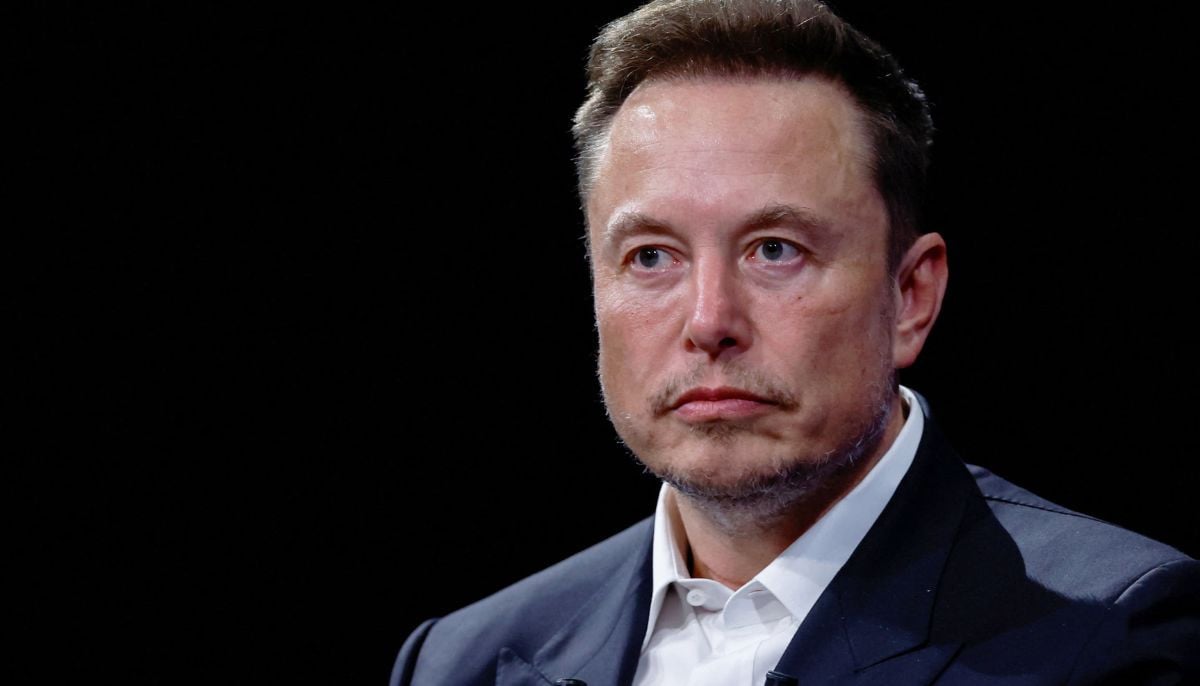
Europe's major aerospace and satellite companies are unifying in an effort to compete with Elon Musk’s SpaceX, its Starlink, and Chinese satellites.
In the joint venture, Thales, Airbus, and Leonardo have put aside their long-standing hostilities and come to a deal called “Project FOMO” worth $7 billion .
According to Caleb Henry, research director at advisory firm Quilty Space, “This kind of merger of the three biggest European space companies would have been unthinkable 10 years ago, but competition between Airbus and Thales is much less significant than competition between Europe, U.S. and China.”
The recent merger under the Project FOMO unites two joint ventures between Leonardo and Thales with Airbus’ satellite business.
Previously, collaboration between Thales and Airbus received red signal from the European Commission as industrial and political demand for the deal was less pressing.
Europe’s traditional market for geostationary satellites has been reduced due to the influx of cheaper satellites in low Earth Orbit (LEO). Moreover, geopolitical drivers such as the Russian-Ukraine war and security issues with the US have prompted Europe to push for cutting-edge space programs.
But, Airbus’ financial crisis proved to be a heavy blow to the Airbus OneSat programme, calling it unacceptable for the sector.


-
 Dakota Johnson 'forgiven' for 'downfall' interview with Ellen DeGeneres
 -
 Pope Leo XIV apologises for Church's historic role in slavery calls it a 'moral failure'
 -
 New Orleans residents are being urged to begin relocating now over sea level rise
 -
 Iran says Ayatollah Mojtaba Khamenei suffered only minor injuries in February strike
-
 Elderly man mauled by 'large' dog as police hunt blonde owner
 -
 Kyle Larson's son melts hearts with kind gesture toward Kyle Busch's son
 -
 Jennifer Aniston's mind-blowing plan to build family with Jim Curtis exposed
 -
 'Michael' creeps closer to highest-grossing film?
 -
 Gordon Ramsay teaches 'brilliant' lesson to his children?
 -
 'Never in million years': Dog owner looks back at beloved pet nearly losing life
 -
 Space X’s Starship vision could enable 10,000 launches a year, says Elon Musk
 -
 GTA 6 Ad spotted before official summer marketing push