
Regenerative medicine milestone: Artificial human embryos grow blood cells
Researchers developed a new way to produce human blood cells, mimicking process in natural embryos
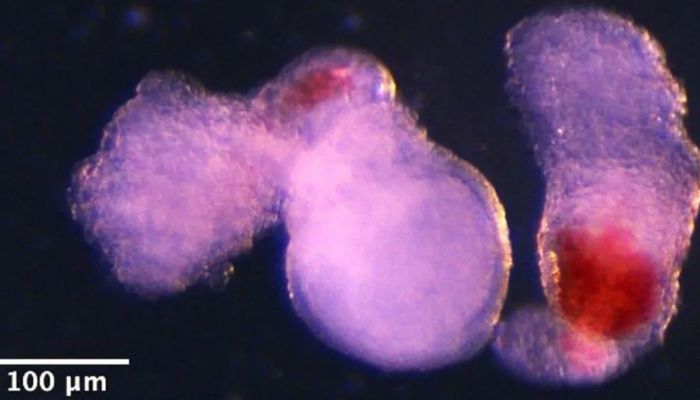
Scientists from the University of Cambridge have developed lab-grown human embryo-like structures that have the ability to produce human blood cells, marking a major milestone in regenerative medicine.
As per researchers, these embryos called “hematoids” mimic the process in natural embryos, thereby growing blood cells after two weeks of nurturing in the lab.
According to the team, the breakthrough will provide further insight in treating blood disorders like leukaemia and generating long-lived blood stem cells for transplants.
The ground-breaking ability to grow blood cells will also offer a hope for patients waiting for bone marrow transplants.
Dr Jitesh Neupane, a researcher at the university's Gurdon Institute, said, "It was an exciting moment when the blood red colour appeared in the dish."
Dr Jitesh Neupane and his team used the model system to study the earliest developmental stages of blood and heart development.
“This sheds light on how blood cells naturally form during human embryogenesis, offering potential medical advances to screen drugs, study early blood and immune development, and model blood disorders like leukaemia,” said Neupane.
According to Prof Azim Surani, the author of the research paper, although this development is in early stage, it marks a major step towards future regenerative therapies.
The research study's findings have been published in the journal Cell Reports.


-
 Chappell Roan's 'zero tolerance' policy comes to light after Jorginho's 'aggressive' claims
 -
 Taylor Frankie Paul breaks silence as daughter dragged back into 2023 incident
 -
 Lewis Hamilton, Kim Kardashian's 'not casual' romance sparks buzz
 -
 Bombshell reason behind Kelly Osbourne, Sid Wilson's breakup revealed
 -
 Emily Osment reveals reason for skipping 'Hannah Montana' reunion
 -
 'Moana' official live-action trailer shows first look at Dwayne Johnson as Maui
 -
 Kelly Osbourne quietly ends fiancé Sid Wilson's engagement over heartbreaking reason
 -
 Savannah Guthrie receives massive support from Hoda Kotb