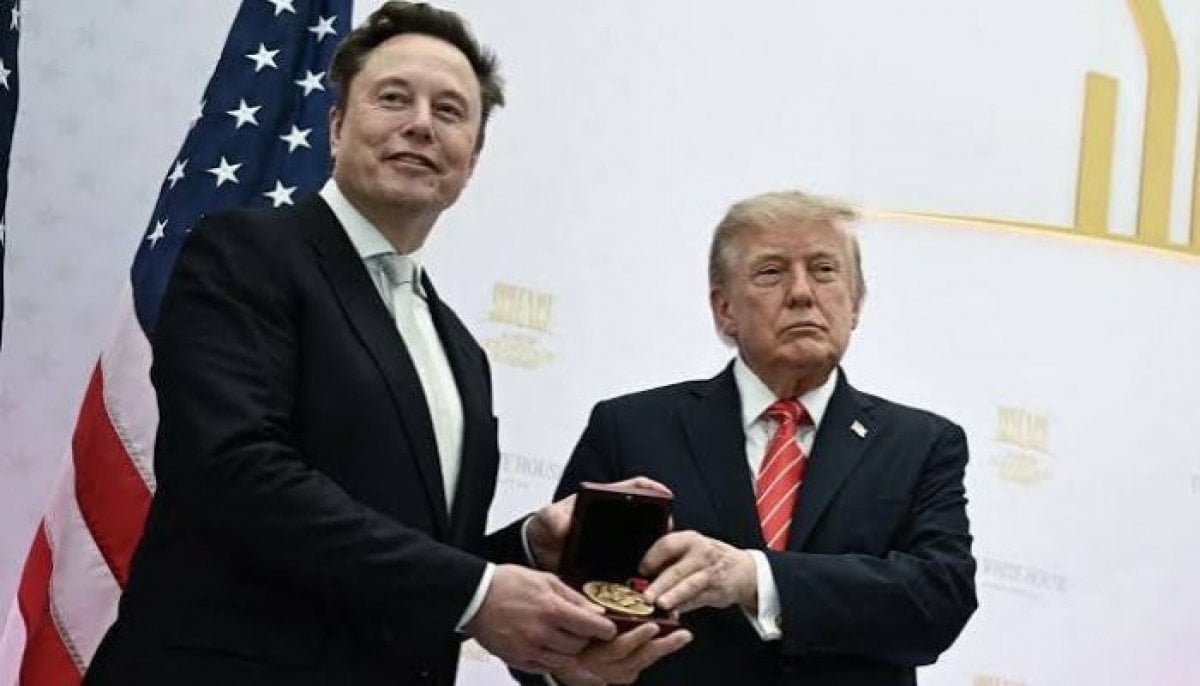
H-1B visa: opportunities, challenges, global competition
Dual reality of H-1B visa: balancing global talent with systemic hurdles
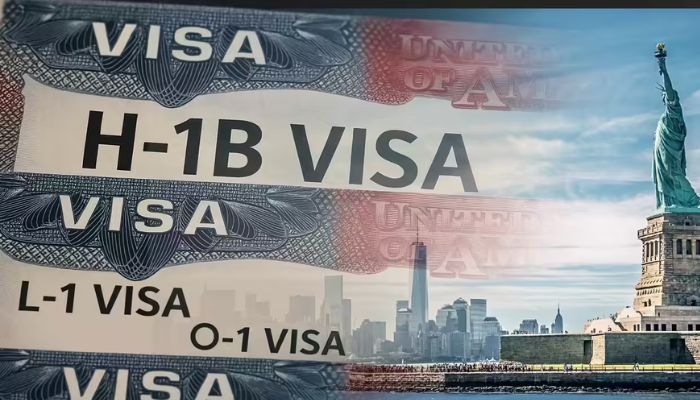
Over three decades, the H-1B visa has been the cornerstone of U.S. high-skilled immigration serving as a contentious pathway for global professionals seeking to work in America.
As the annual application cycle approaches, tens of thousands of hopefuls and U.S. employers are preparing for a high-stakes lottery that will define their futures.
What is an H-1B visa?
The H-1B is a non-immigrant visa created by the Immigration Act of 1990 to serve in a specialty occupation or career, which needs highly specialized knowledge, which is normally demonstrated through a bachelor's degree or higher. The program has become the lifeblood of the U.S. technology industry, yet it supports the major employees in the engineering, financial, medical, and scientific research spheres.
A competitive and capped process
The defining feature of the visa is its strict annual cap. Only 65,000 regular visas are available each fiscal year with an additional 20,000 that are reserved for advanced U.S. master’s degrees or higher.
The selection process has evolved into a digital lottery, as the number of applications has consistently exceeded 400,000 in recent years, leaving the fate of a well-qualified candidate to chance.
Opportunities and persistent challenges
In the case of successful applicants, H-1B provides a three-year and renewable visa and a possible opportunity for permanent residence (a Green Card). In the case of U.S. companies, it makes a global talent pool available, which according to them, is critical for innovation.
Nevertheless, the program presents workers introduced to it with numerous difficulties as H-1B status is linked to the employer intending to sponsor the worker, thus creating an imbalance of power and resulting in a direct risk of being stripped of a visa in case a person gets laid off.
Moreover, the dream of obtaining a Green Card is far away from many people. Emigrants to the high-demand countries such as India and China experience such a backlog that they are on permanent residency wait lists that may take decades to process thus remaining in the limbo of temporary status.
Political debate and the road ahead
The H-1B program has long been a subject of controversy in political debates.
Its advocates claim that the U.S. must remain a world leader in the field of innovation, and numerous research studies reveal that H-1B employees are major contributors to patents and business development.
However, critics argue that not all companies use the program appropriately, as they are replacing American workers with cheap overseas employees, thereby driving down wages.
This has prompted calls for reform, such as a possible change of random lottery to a form of selection based on merit and a tightening of wage controls.
With the U.S. economy still in development, it is challenging to predict the future of the H-1B visa. What needs no elaboration is that it will remain an essential, but complicated, conduit of American aspiration and world savvy.


-
 Why Robert Pattinson chose to star in and produce 'Primetime'
 -
 When will taxpayer-funded pro-Trump ads end? Border Patrol official answers
 -
 'The Social Reckoning' bombs at the box office
 -
 UK skies lit-up by stunning northern lights after intense solar storm
 -
 Zara Larsson reveals 'Blue Moon' music video release date
 -
 Trump sends Columbus Day greetings to Americans and Italian Americans
 -
 Trump announces Ukraine-Russia ‘energy ceasefire’
 -
 5 bizarre things people discovered while exploring Google Earth