From TikTok to streets: How GenZ 212 protests in Morocco exploded over corruption
The GenZ 212 movement became the largest anti-government protest in the country in years
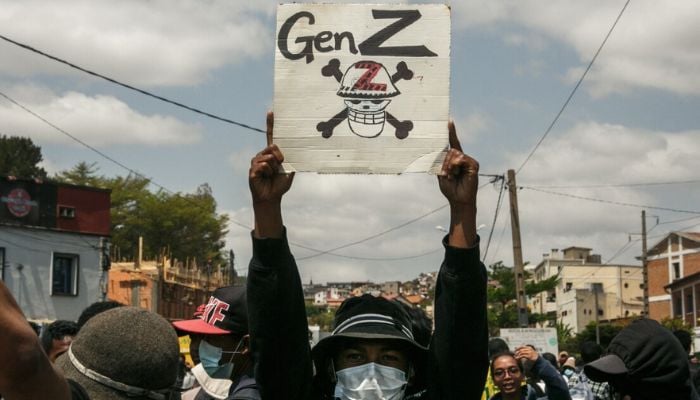
Youth-led anti-government protests in Morocco over corruption, public health, and education turned violent, resulting in two casualties and hundreds of arrests in the past week. The GenZ 212, an anonymous online-driven campaign, organised the mass movement using platforms like TikTok and Discord.
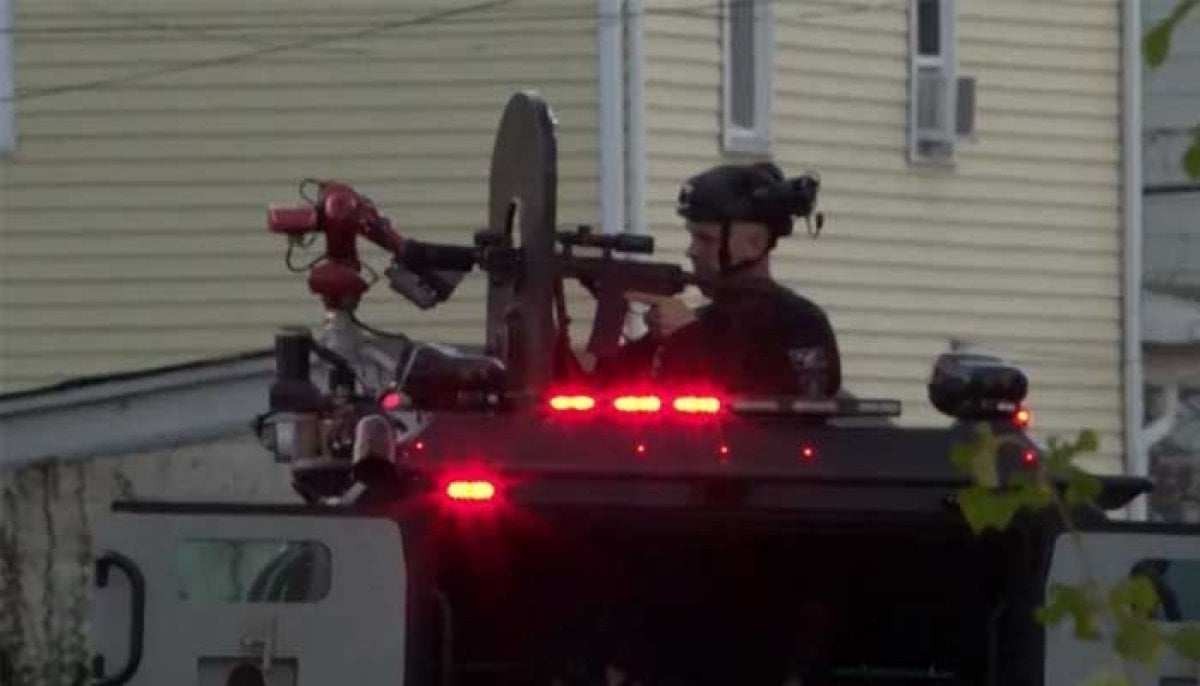
A group of protestors attempting to storm the police station in the town of Lqliaa triggered deadly violence. According to the state media, officers “were forced to use their service weapons in legitimate self-defence, to repel an attack” which was aimed to “seize ammunition, equipment and service weapons.”
What started as a peaceful protest soon spiralled into conflict, especially in the disenfranchised areas like Salé, Ait Amira, Inzegane, and Oujda. So far, 409 people have been apprehended across the country.
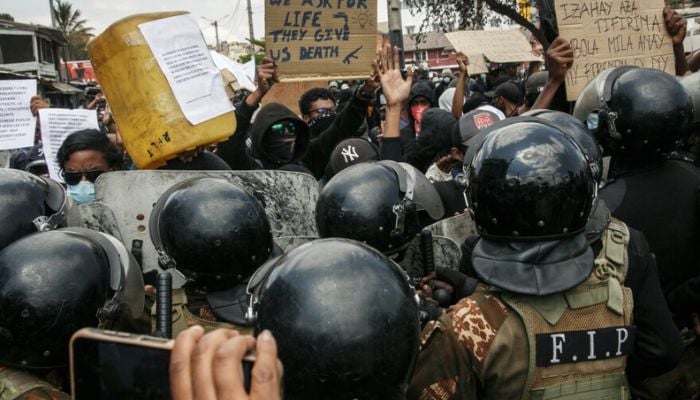
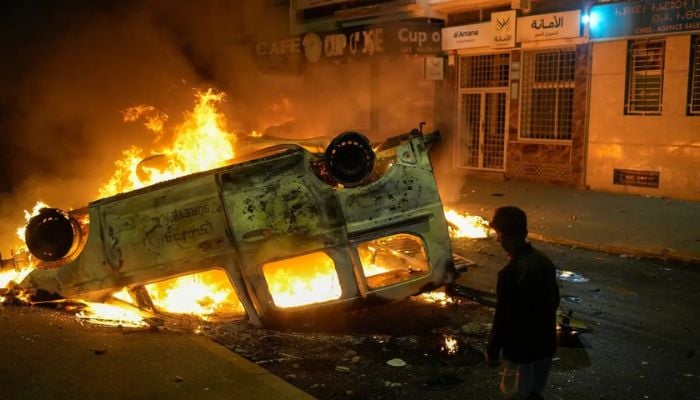
The interior ministry reported that law enforcement sustained 263 injuries during protests where participants engaged in throwing rocks, looting banks, and setting vehicles on fire.
The bone of contention is the awful state of public service and misguided expenditure. Demonstrators discussed the government’s priorities of spending billions of dollars on co-hosting the 2030 FIFA World Cup while neglecting the domestic infrastructure.
“Stadiums are here, but where are the hospitals? a common mantra at the protests.
The tragedy of 8 women who died in a public hospital highlights the struggling situation of the public health system in Morocco. The GenZ 212 spotlighted their major demands: “The right to health, education and a dignified life is not an empty slogan but a serious demand.”
The Moroccan Association for Human Rights (AMDH) claimed that thousands of protestors have been taken into custody since the beginning of the unrest.
Amnesty International’s regional office called on authorities to overhaul their strategy, stating:
“With protests scheduled to continue, we urge authorities to engage with the legitimate demands of the youth for their social, economic, and cultural rights and to address their concerns about corruption.”


-
 Trump sends Columbus Day greetings to Americans and Italian Americans
 -
 Trump announces Ukraine-Russia ‘energy ceasefire’
 -
 5 bizarre things people discovered while exploring Google Earth
 -
 Elon Musk joins Trump in calling for new Ukrainian leadership
 -
 GTA 6 leaker threatens full game release if memecoin hits $30 million
 -
 Poet Ian McMillan says Instagram is breaking poetry's gatekeeping problem
 -
 Why the ‘Naruto’ live-action movie makes sense, explained by director
 -
 George and Amal Clooney support the Gerber Presley’s family after his death