Japan successfully tests world’s first ship-mounted railgun
Japan’s railgun test signals major advance in Indo-pacific defense capabilities
Japan has made a major technological development in military technology by testing the first ship-mounted electromagnetic railgun in the world in which the electromagnetic weapon was fired at a sea-borne target vessel.
The test that was conducted by the Japan Acquisition, Technology and Logistics Agency (ATLA), along with the assistance of the Japan Maritime Self-Defense Force (JMSDF), was a significant step in the history of a weapon system that has traditionally been considered an element of science fiction.
The railgun was installed on a 151-meter research-class ship (the size of a destroyer) named the JS Asuka.
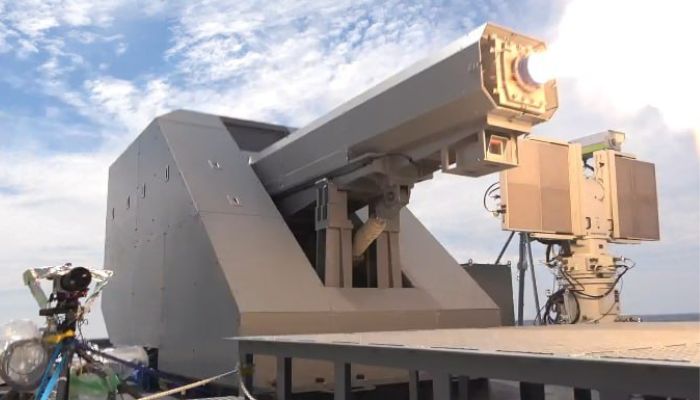
In June and early July tests, the weapon was used to shoot at a modified 260-tonne tugboat. However, the exact number of shots and the damage caused remain secret.
This has placed Japan ahead of the United States, which halted its own railgun program in 2022, having spent more than $500 million due to technical issues.
The railguns employ electromagnetic forces to propel the projectile at very high velocities without explosives.
The prototype of Japan, weighing about eight metric tons, has reached muzzle velocities of about 2,230 meters per second, Mach 6.5, with the intention of reaching 20 megajoules of power output.
The projectiles are fully dependent on the power of kinetic energy to destroy targets, providing a potentially low-cost alternative to the use of missiles in defence.
The JMSDF views the railgun as a vital element of its future air and missile defenses, which can neutralize hypersonic missiles and swarms of drones.
Nevertheless, there are still serious challenges such as stabilizing the projectiles once they are fired, controlling high temperatures that melt the rails and supplying the excessive power needed to sustain the system.
Despite the challenges, the developments of Japan today point to a new global concern with electromagnetic weapons, as ATLA declared it will share its research with the United States.


-
 GTA 6 pre-order listings leak online: Everything we know so far
 -
 Donald Trump Jr. under fire for posting racy photos of daughter Kai online
 -
 How did Brandon Clarke die?
 -
 Taylor Swift wins BMI Songwriter crown for third year in a row
 -
 Katseye announces world tour, sending internet into meltdown
 -
 Pete Davidson urged not to target Charlie Kirk in comedy set: Insider
 -
 Chyler Leigh, Nathan West call it quits after 24 years of marriage
 -
 Watch Kanye West's reaction to Pete Davidson's savage roast jab