World first humanoid Robo-Olympics faces AI limitations
Global robotics games showcase artificial intelligence advancements and drawbacks
World Humanoid Robot Games, in Beijing, China, featured small humanoid kickboxers, footballers, athletes and dancers at the 12,000-seat National Speed Skating Oval stadium on August 15, 2025.
The government-backed event also highlighted balance, battery life and dexterity as key technological challenges which opened with the Chinese national anthem before the competitions began.

A match between top university robot kickboxers ended when a missed roundhouse kick sent one competitor tumbling.
Wang Ziyi, a student from Beijing Union University: “In the 1,500-metre race, one humanoid dropped out, its head detached mid-course. To keep the head balanced is the biggest challenge for us.”
The games are part of China’s push into embodied AI, identified in this year’s government work report. Ever since humanoid dancing robots appeared at the 2025 Spring Festival Gala, the technology has gained prominence.
Chinese cities have launched 10bn yuan robotics industry funds and Bank of China has pledged 1tn yuan in AI industry financing over five years.
Dr Jonathan Aitken of the University of Sheffield cautioned: “The state of AI is nowhere near seeing humanoids operating out of uncontrolled environments.”

Morgan Stanley, an American investment bank, estimates China’s supply chains can make humanoid robots at one third the cost of non-China suppliers.
In competition to the world's second economy, US companies such as Tesla and Boston Dynamics still look like market leaders, while in China, UBTech and Unitree Robotics, which supplied the boxing robots, are advancing to new tech paths.


-
 Halle Berry fires back at restraining order allegations
 -
 Saoirse Ronan addresses rumours her husband could be the next 007
 -
 AI makes hundreds of math breakthroughs as OpenAI declares ‘new era of discovery’
 -
 Tesla FSD Europe approval faces safety doubts: Here’s what to know
 -
 Oscar-winner Eva Marie Saint dies after seven decades on stage and screen
 -
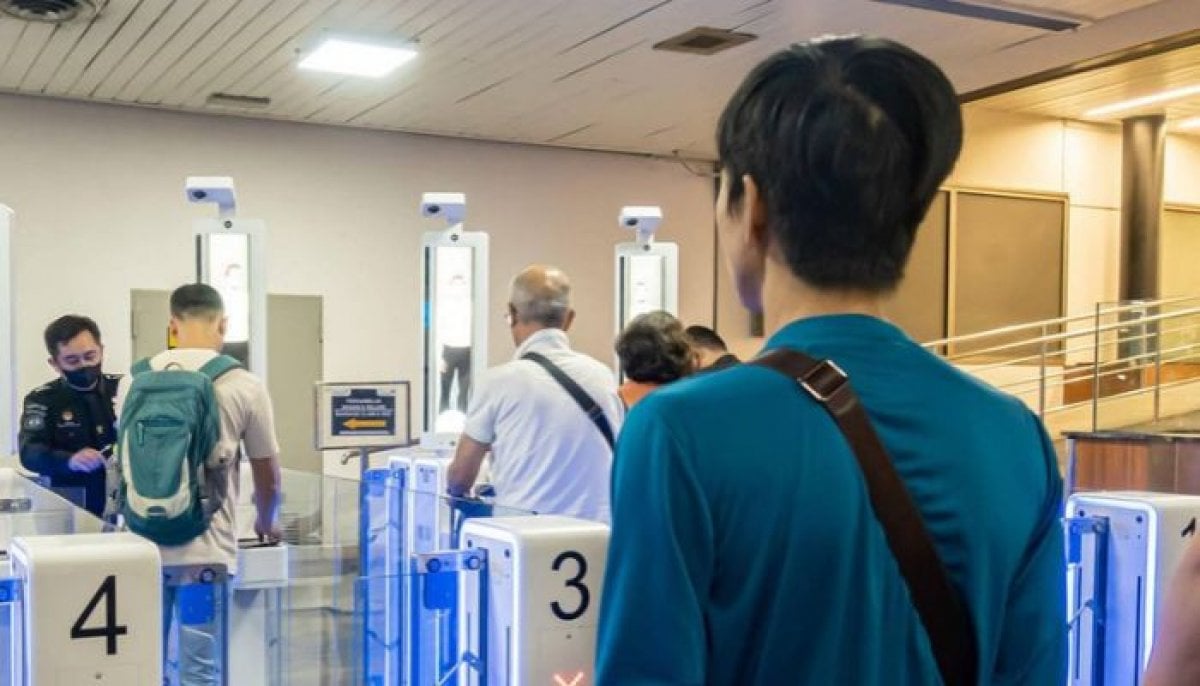 UK airports begin passport-free e-gates rollout: What passengers need to know
 -
 Sandra Bullock opens up about ‘absolutely incredible’ ‘Practical Magic’ house
 -
 JD Vance urges judging politicians by actions, not words