45 years of Pac-Man: How it changed gaming forever: Everything you need to know
Pac-Man, the iconic gaming character, created by legendary Japanese video game designer Toru Iwatani in late 1970s
Childhood nostalgia alert!
Buckle up everyone. 2025 marks 45 years since Pac Man, the iconic gaming character, was created by legendary Japanese video game designer, Toru Iwatani, in the late 1970s.
After removing the first slice, the Japanese video game designer got instant chills from the sector-shaped being looking back at him.

The legend once explained the reason being Pac-Man, “If you take a pizza and remove one piece then it looks just like a mouth.”
This is how the story of Pac-Mac’s idea was invented, and this year marks 45 years since it was first released in arcades.
The slice of genius: How a Pizza inspired Pac-Man?
Pac-Man’s simple design makes him universally recognizable, symbolizing the game’s core concept of ‘to eat’ in a way that’s instantly understood worldwide.
Global reach:
Originally called PuckMan in Japan, a reference to the Japanese phrase “paku paku taberu”, means to gobble something up while producing a greedy, jaw-snapping sound.
Pac-Man holds the record as the most successful coin-triggered arcade game of all time, according to the Guinness Book of World Records, with its franchise raking in an estimated $14 billion in revenue across arcade machines and numerous home consoles re-releases.
Pac-Man: The perfect bite-sized game, but why?
Pac-Man’s elegant simplicity and strategic depth have made it a timeless classic, appealing to both casual players and hardcore enthusiasts who’ve even formed competitive tournaments around mastering its maze patters.
Pac-Man’s reach extends beyond the gaming world, as its simple yet engaging gameplay has been leveraged in scientific research to gain insights into human cognition, behavior, and decision-making processes.
Pac-Man's next move
Pac-Man’s legacy continues to thrive, with the latest installment, Shadow Labyrinth, introducing a fresh twist to the classic formula.
The new game features a goth-inspired Pac-Man like character and a robot warrior mode, while still retaining the satisfying thrill of turning the tables on ghostly pursuers with power pellets.
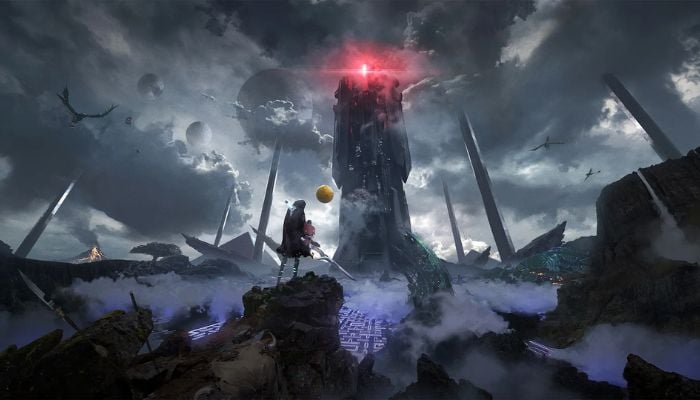
Pac-Man’s iconic design has transcended gaming, becoming a cultural phenomenon that resonates with Gen Z and younger generations, who recognize the character even if they’ve never played the game.


-
 Watch: Kaitlan Collins’ reaction to Trump’s remarks
 -
 Max Verstappen slams ‘broken’ Red Bull after Hungary shocking qualifying disaster
 -
 Trump reacts to Ferran Torres' viral 'Make Spain Great Again' hat
 -
 Ferran Torres, Marcos Llorente become target of false claims after Ibiza photos go viral
 -
 Typhoon Noul nears Southern China, prompting high alerts and public transport suspensions
 -
 Is Trump running for next term as US president? Fact-checking viral claim
 -
 Why Trump’s gala address made headlines: Insults, potshots and more
 -
 Ford warns of engine fire risk in more than half a million Bronco vehicles
-
 LeBron James called Cristiano Ronaldo of basketball after his ‘last decision’
 -
Nvidia CEO Jensen Huang makes X debut, signs letter to Congress on open AI models
-
'Unbothered': Lamine Yamal's girlfriend Ines Garcia drops new photos after viral relationship controversy
-
Scientists slam Trump's claim Canada 'poisoned' US air