
Forever chemicals in everyday products may increase Diabetes risk by 31%
Study found an alarming link between PFAS exposure and type 2 diabetes risk

According to the World Health Organization (WHO), around 830 million people worldwide have diabetes with type 2 diabetes being the most prevalent form.
Type 2 diabetes is a chronic metabolic disorder that occurs when the body is unable to make enough insulin or become resistant to it causing high blood sugar levels.
In the last 3 decades, the number of cases of type 2 diabetes have risen dramatically in countries of all income levels.
Researchers from Mount Sinai found formidable connections between forever chemicals and type 2 diabetes.
Forever chemicals also known as per-and polyfluoroalkyl substances (PFAS) are a group of thousands of artificial chemicals that are tenacious in the environment and living organisms.
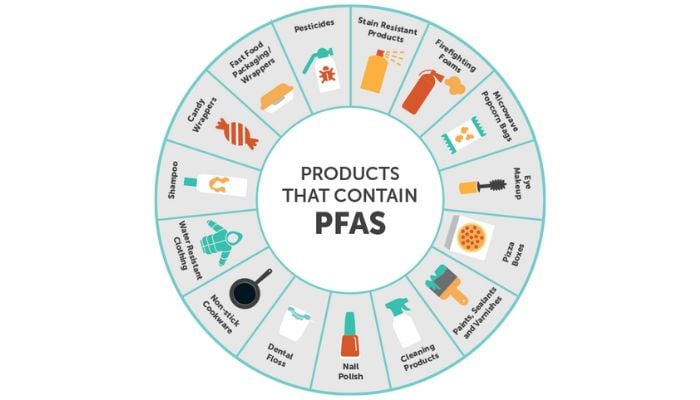
Everyday products that contain PFAS include non-stick cookware, stain-resistant and waterproof fabrics, food packaging, firefighting foam, personal care products, cleaning products, semi-conductors, car seats, ski wax, some types of paints and varnishes etc.
The research investigates health data from over 70,000 participants. The analysis revealed that each incremental increase in PFAS exposure was linked with a 31% greater risk of developing diabetes.
The forever chemicals disrupt the metabolic processes that are crucial for blood sugar regulation.
The lead researcher, Dr. Vishal Midya explained that “PFAS accumulate in our bodies and environment because they don’t break down easily.”
While comparing the 180 newly diagnosed diabetes patients with 180 matched controls, it was discovered that the increased risks of PFAS levels are correlated with metabolic irregularities in amino acid and drug metabolism pathways.
Another senior researcher Dr. Damaskini Valvi who also contributed to the study noted that exploring the link of environmental exposure to diabetes prevalence will be revolutionizing as only traditional risk factors have been assessed previously.
With mounting evidence related to connection between PFAS and chronic diseases like diabetes, the researchers urge to conduct expanded exposome studies that will track chemical impacts throughout human lifespans.
This significant research emphasizes the urgent need to address widespread PFAS contamination as a public health priority.






-
 James Van Der Beek's friends helped fund ranch purchase before his death at 48
 -
 Brooklyn Beckham hits back at Gordon Ramsay with subtle move over remark on his personal life
 -
 Jennifer Love Hewitt reminisces about workign with Betty White
 -
 Can Sydney Sweeney's brand compete with Kim Kardashian's SKIMS? Expert reveals
 -
 Kim Kardashian, Lewis Hamilton's romance being called a calculated move?
 -
 David, Victoria Beckham melt hearts with sweet Valentine's Day throwbacks
 -
 Valentine’s day on X: New animation rolls out for seasonal mentions
 -
 Northern lights alert on Valentine’s Day: How, where & best time to watch auroras