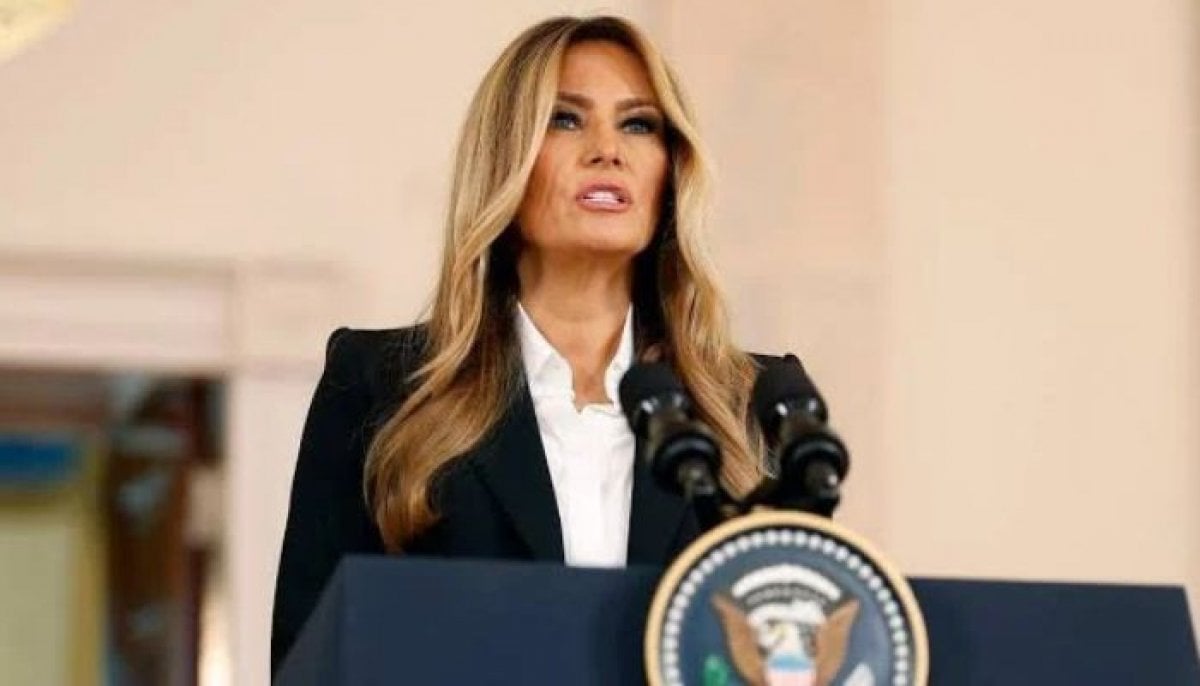
'Temu is not Temu-ing anymore'
Temu's price shift sparks conversation

Temu, a popular e-commerce platform, has become a talk of the town due to a sudden price increase.
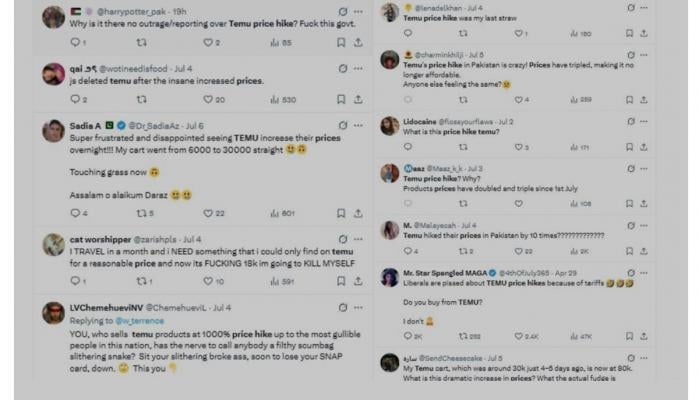
Many shoppers who were drawn to the platform's ultra-low prices are now expressing disappointment, sharing their concerns on social media platforms like TikTok, Instagram, Reddit and X (formerly Twitter).
Some are mocking that “Temu is not Temu-ing anymore.” Items that once cost $2–$3 are now priced at $6–$14, leading users to say things like “Temu gone crazy” and “prices are giving me horrible shocks.”
The shift in pricing is not arbitrary. The reason for the abrupt price hike lies in February 1, 2025 executive order issued by Donald Trump which has overturned the decades old ‘de minimis’ exemption of Chinese and Hong Kong imports.
Until now, goods valued under $800 could enter the U.S. without tariffs or heavy inspection, a rule that benefited e-commerce giants like Temu and Shein. Over 1.4 billion packages came into the U.S. duty-free in 2024, and most of them were Chinese (more than 90%).
All such packages are hit by a new policy, which has been fully implemented on May 2, 2025. Products that come through post deliveries are charged 30% or 25$ a piece, up to 50$ starting June 1. There is also a blanket 10% tariffs on all Chinese imports. This has drastically increased the price of low-priced goods and derailed its fast turnover and low-margin e-commerce business model that Temu was relying on.
Also outside the context of trade, the crackdown is presented as an expansion of an anti-opioid agenda, specifically to address the smuggling of fentanyl precursors in China into the US by mail on de minimis loopholes. The Trump administration accuses Chinese chemical industries of using this channel to distribute the Mexican drug cartels. Though China denies these accusations, the diplomats of the U.S. contend that the government of China encourages its chemical exports and imposes no such trade laxity to imports of U.S origin.
The increasing prices also highlight the fact that China has been facing increased scrutiny all over the world regarding their e-commerce sites, as well as, practices of forced labor, pricing of goods under market value, and data theft. The U.S. and EU are getting stricter, increasing the cost of compliance which may spell the end of Temu pricing mechanism.
For now, the backlash is strongest among Pakistani and U.S.-based users, with many of them uploading memes and promising to go elsewhere or use domestic platforms. The scenario shows that trade and security policies of the world can have immediate, visible effects on consumer experiences even on shopping apps that are part of day-to-day life.


-
 Megyn Kelly under fire over comments on Christina Applegate’s MS misdiagnosis
 -
 Prince William reveals the careers he dreamed of before royal duties
 -
 Elon Musk points to Ukraine war’s elite gains and toll of trench warfare
 -
 Dolly Parton’s niece shares heartfelt message about carrying her legacy forward
 -
 Trump fires back at Karl Rove, calls him a ‘loser’ over rally criticism
 -
 H3 Podcast co-host Hila Klein catches husband Ethan Klein cheating on her
 -
 Jenna Ortega gets honest about Amy Adams’ ‘intense eyes’
 -
 Leonardo DiCaprio's girlfriend voices support for Lula before Brazil election