Meta seeks AI revolution with $60bn investment in 2025
"This will be a defining year for AI," Mark Zuckerberg says in a post on his Facebook page

SAN FRANCISCO: Meta chief executive Mark Zuckerberg announced on Friday that the company will invest at least $60 billion in artificial intelligence during 2025, aiming to cement its position as a leader in the rapidly advancing field.
"This will be a defining year for AI," Zuckerberg said in a post on his Facebook page.
Zuckerberg expects Meta AI to be the top digital assistant, used by more than a billion people, and for the tech firm’s Llama 4 to be at the forefront of AI models, according to the post.
Meta is creating an AI "engineer" to contribute computer coding to its research and development efforts, he explained.
Meta will construct a massive new data centre to power its AI ambitions and is planning $60 billion to $65 billion in capital expenditures this year related to the technology, according to Zuckerberg.
"This is a massive effort, and over the coming years it will drive our core products and business, unlock historic innovation, and extend American technology leadership," he said.
The post comes just days after US President Donald Trump announced a major investment to build infrastructure for artificial intelligence led by Japanese giant SoftBank and ChatGPT-maker OpenAI.
Trump said the venture, called Stargate, "will invest $500 billion, at least, in AI infrastructure in the United States."
But in a post on his social media platform X, Trump ally and tech tycoon Elon Musk said the main investors "don’t actually have the money."
The comment marked a rare instance of a split between the world’s richest man and Trump, with Musk playing a key role in the newly installed administration after spending $270 million on the election campaign.
Microsoft president Brad Smith, meanwhile, has gone on record saying the company was on pace this financial year to invest about $80 billion to build out AI data centres, train AI models and deploy cloud-based applications around the world.
"The United States is poised to stand at the forefront of this new technology wave, especially if it doubles down on its strengths and effectively partners internationally," Smith said in an online post.


-
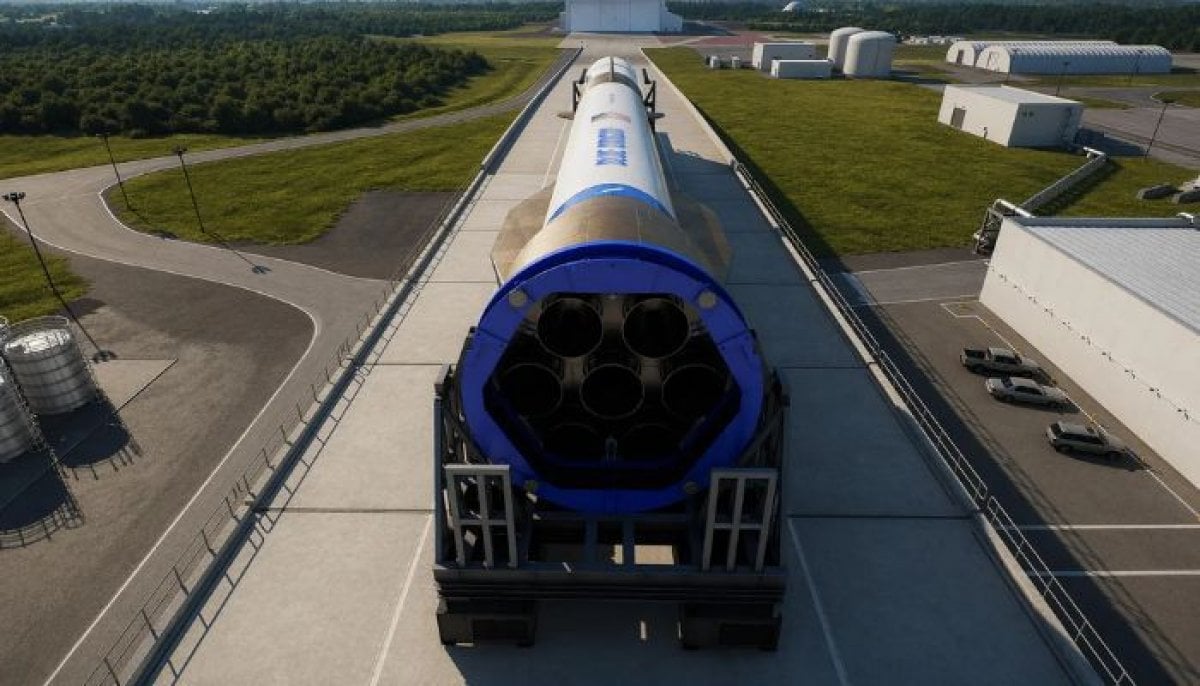 Blue Origin upgrades new Glenn rocket launch infrastructure to take on SpaceX
 -
 NASA’s next Mars mission targets Phobos and Deimos, not Red Planet
 -
 Is AI ready to rewrite our understanding of physics?
 -
 Astronomers identify possible first green star in 27 years of research
 -
 New study sounds alarm as Doomsday Glacier melts more aggressively than thought
 -
 Hubble data hints at planet born after its star died
 -
 NASA to brief public on Artemis III mission progress
 -
 ‘Time capsule beneath the sea’: World’s oldest shipwreck holds secrets from Great Pyramid era