NASA Artemis II astronauts spot meteorite strikes on Moon during flyby
In NASA Artemis II mission, astronauts achieved record-breaking distance from Earth for the first time in over 50 years
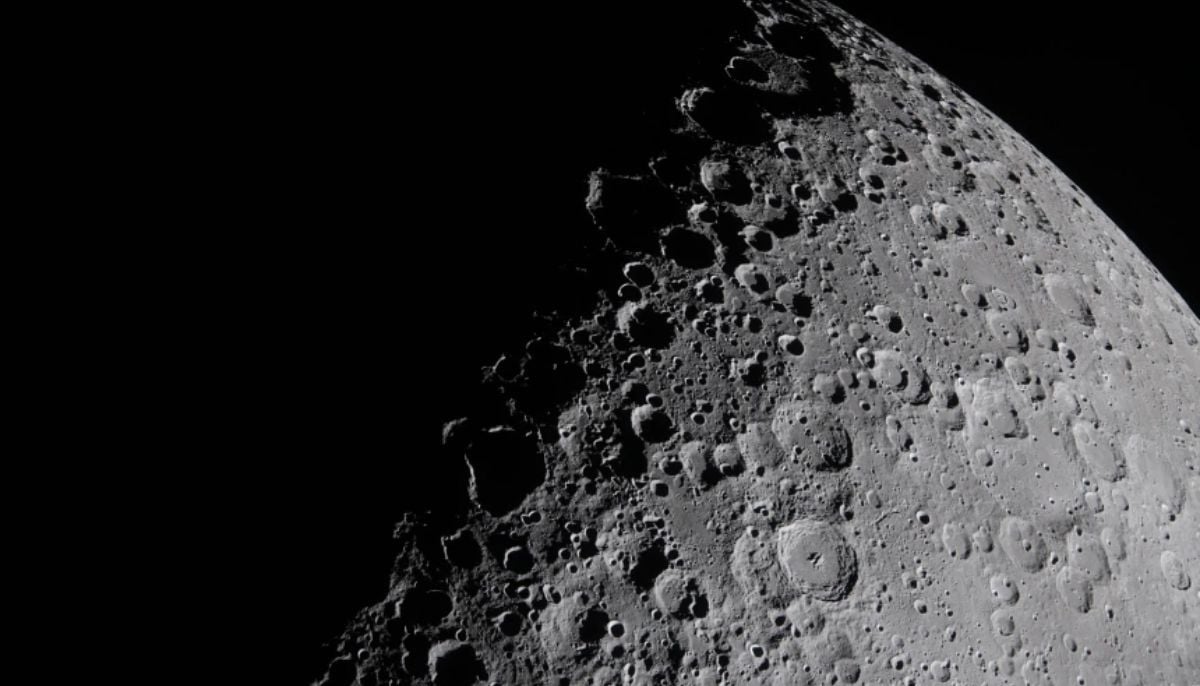
NASA Artemis II astronauts have observed a stunning view marked by meteorites striking the rugged surface of the Moon during their historic lunar flyby.
Mission commander Reid Wiseman and crew member Jeremy Hansen reported seeing “pinpricks of light” on the lunar surface, providing rare real-time data for scientists on Earth.
Artemis II documented a total of six meteorite impacts during a seven-hour observation window.
"I don't know if I expected to have the crew see any on this mission, so you probably saw the surprise and shock on my face," Kelsey Young, the mission's lunar science lead, said.
According to Young, this is a huge milestone to witness these rarely seen impacts.
The “audible screams of delight” from the Houston team underscore the importance of having human observers capable of identifying these events as they happen.
The phenomenon is "something that we have not witnessed often," the mission's backup astronaut Jenni Gibbons told AFP.
“They were really high priority science for us, so the fact that they saw four or five was just outstanding.”
Canadian crew member Hansen called these strikes a "pinprick of light.” “I would suspect there were a lot more of them."
"I would say they were a millisecond, like the fastest a camera shutter can open and close," added Wiseman, who said the flashes were "white to bluish white."
Scientists are currently working to correlate the astronauts' visual reports with data from lunar orbiting satellites. This helps verify the accuracy of remote sensing equipment and improves our understanding of the "daily flux" of space debris.
According to Bruce Betts, chief scientist at the Planetary Society, the analysis of brightness and duration of flashes will help scientists to understand the frequency of impact.


-
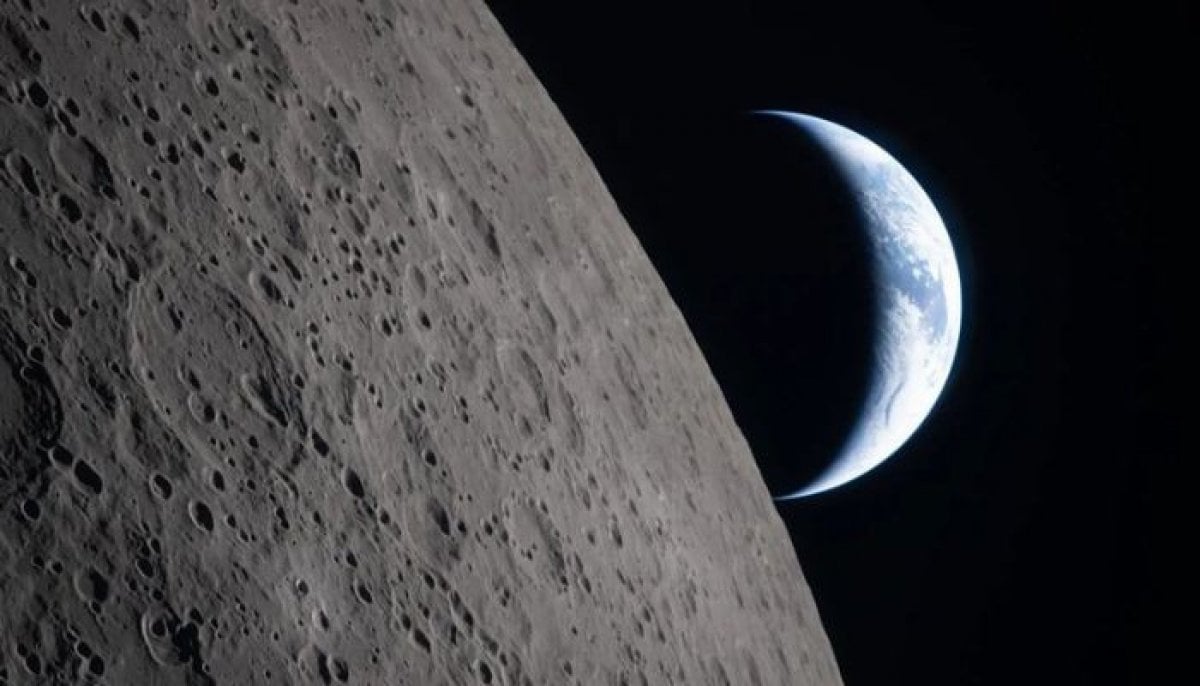 NASA to brief public on Artemis III mission progress
 -
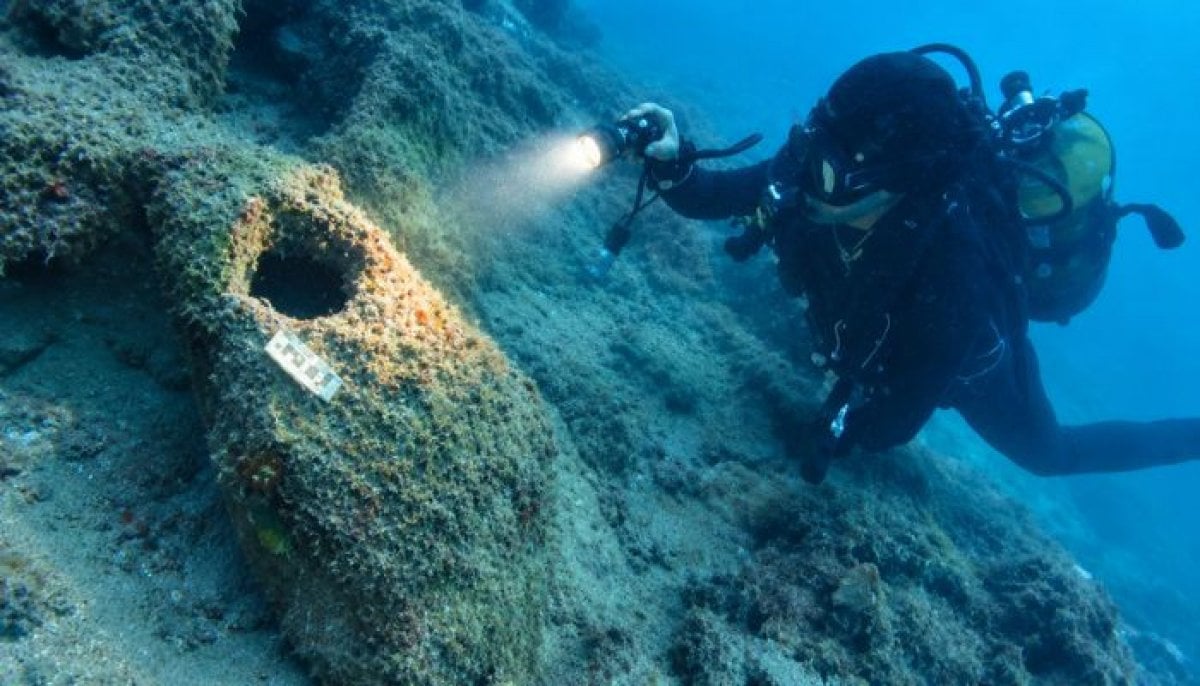 ‘Time capsule beneath the sea’: World’s oldest shipwreck holds secrets from Great Pyramid era
 -
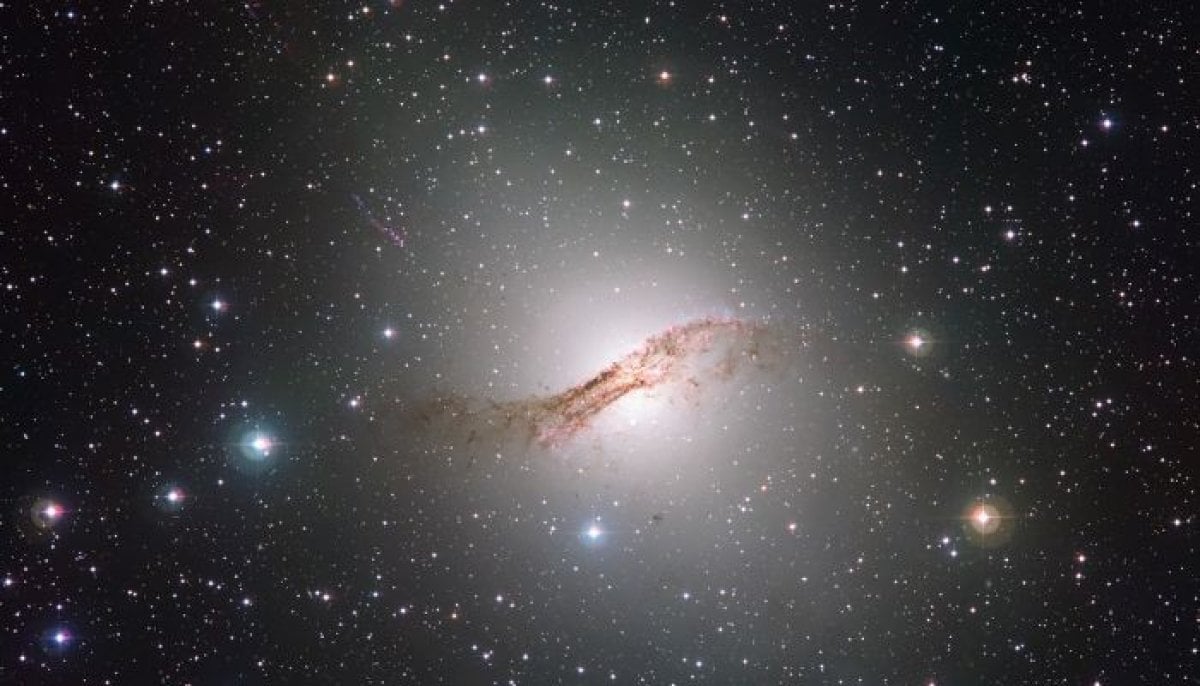 NASA spots mysterious V-shaped scar stretching 700 light-years across space
 -
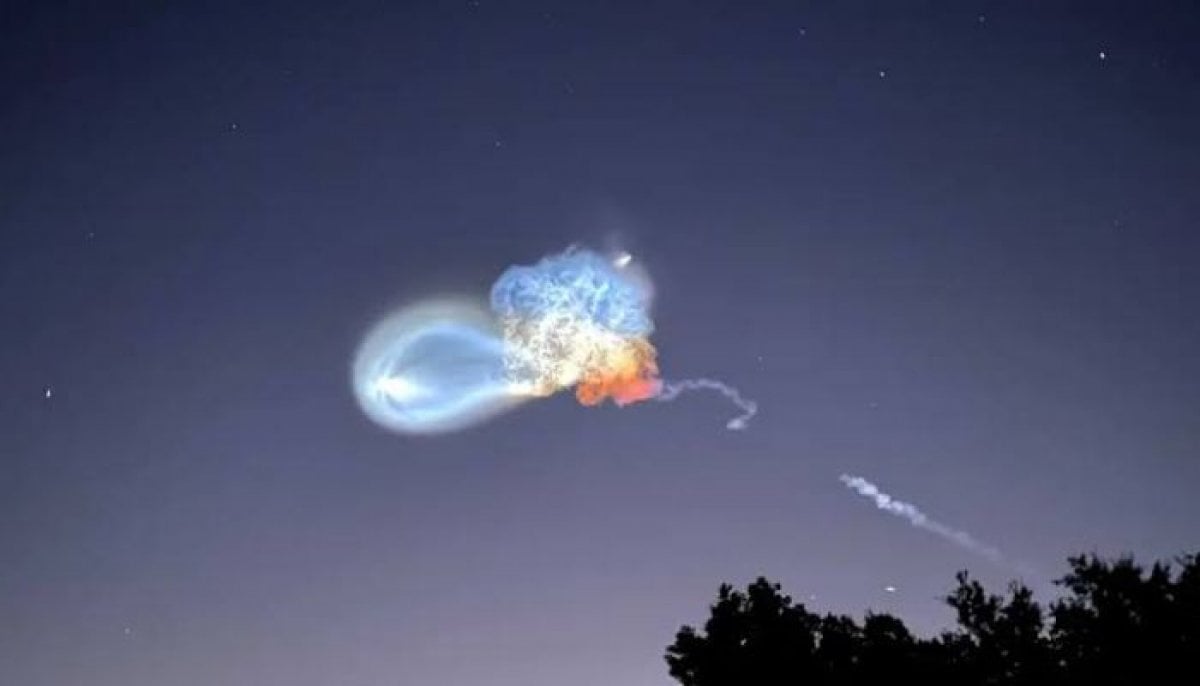 Space Jellyfish over Florida: What is that glowing cloud?
 -
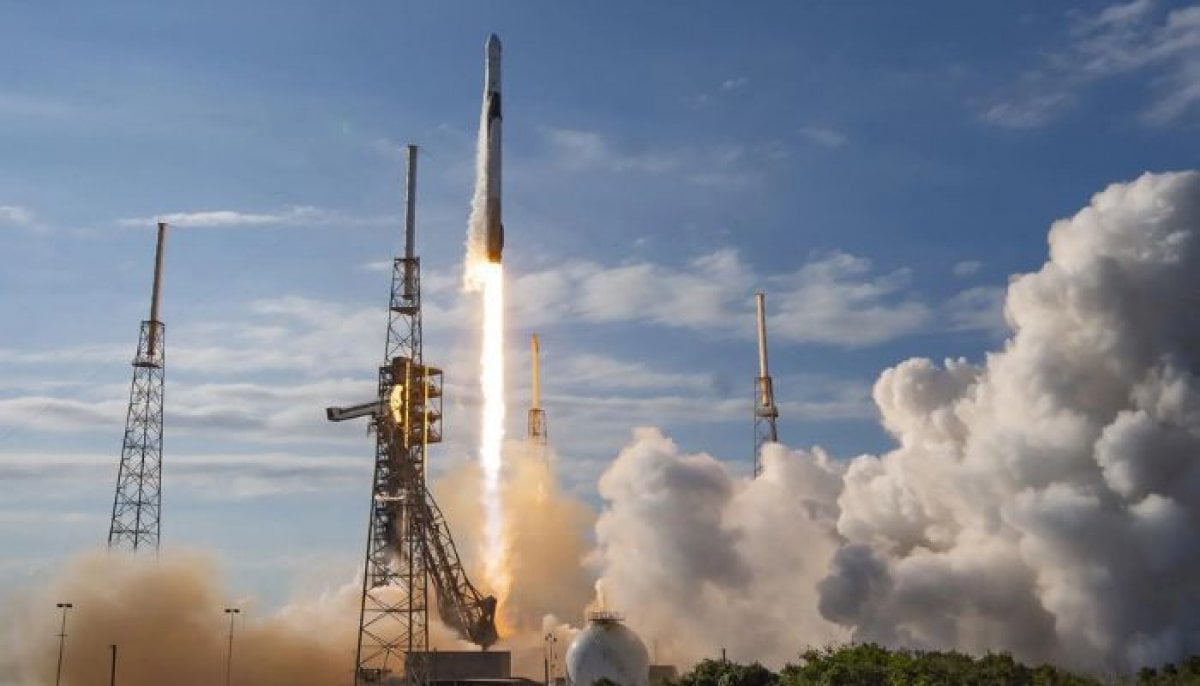 SpaceX Falcon 9 launches Dragon with 6,300 pounds of supplies to ISS
 -
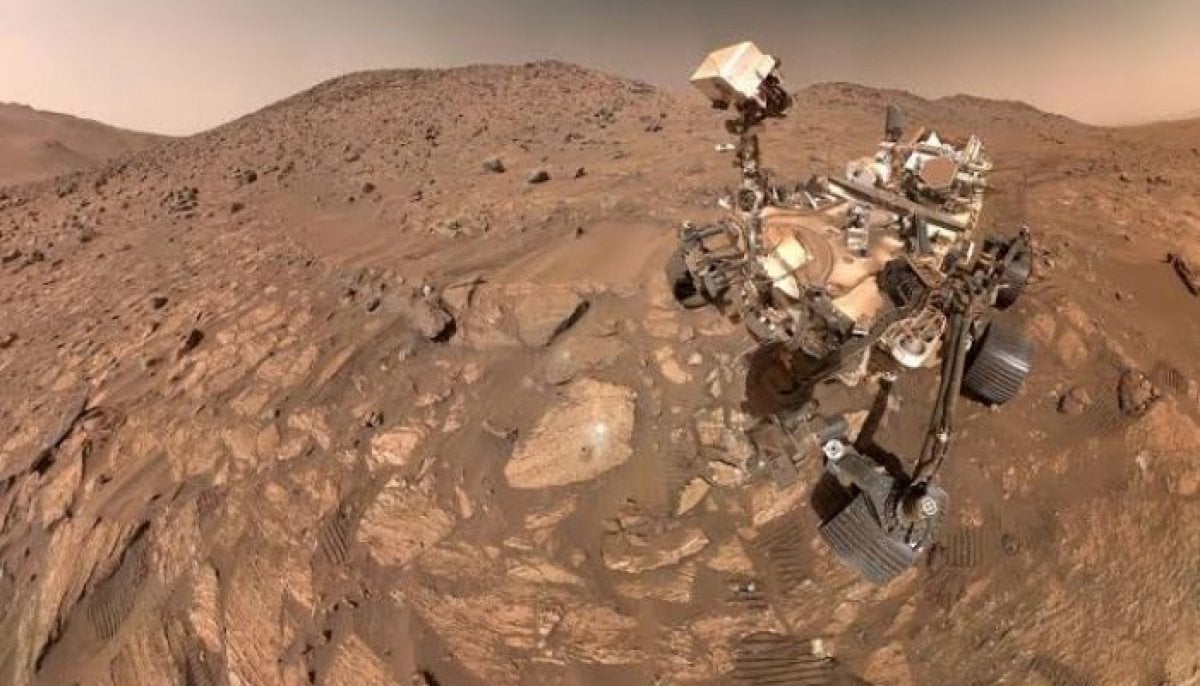 How far can a rover go? NASA’s Perseverance breaks Mars driving record
 -
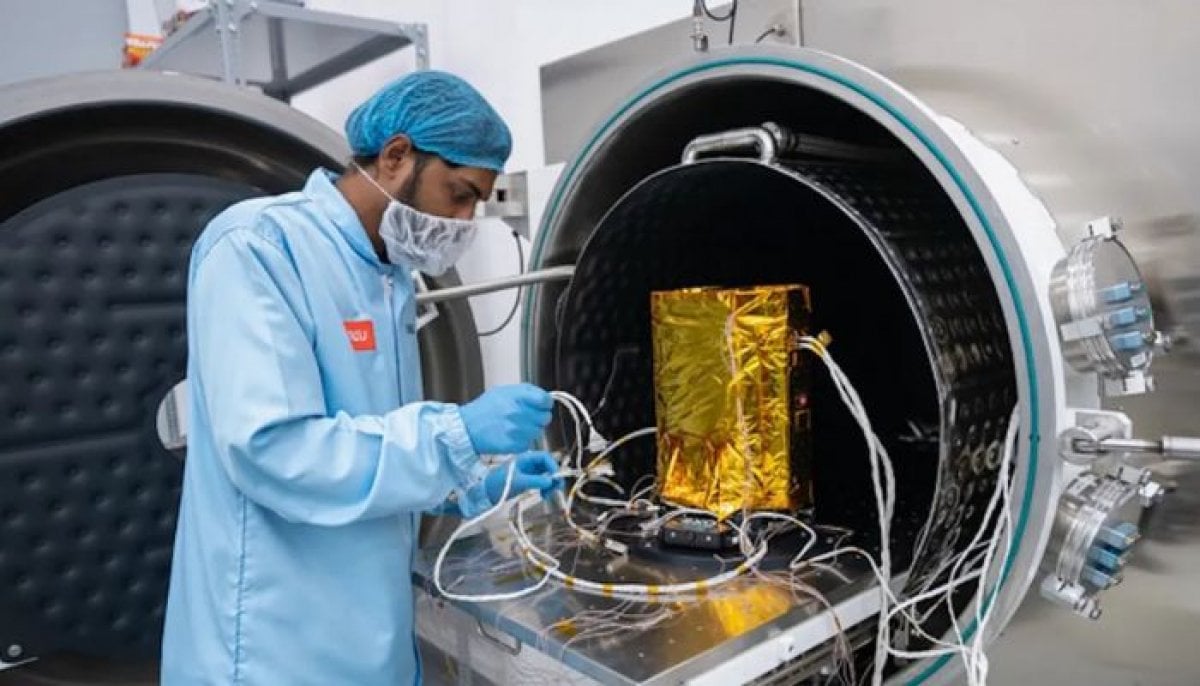 UAE builds asteroid lander designed to crash into its target
 -
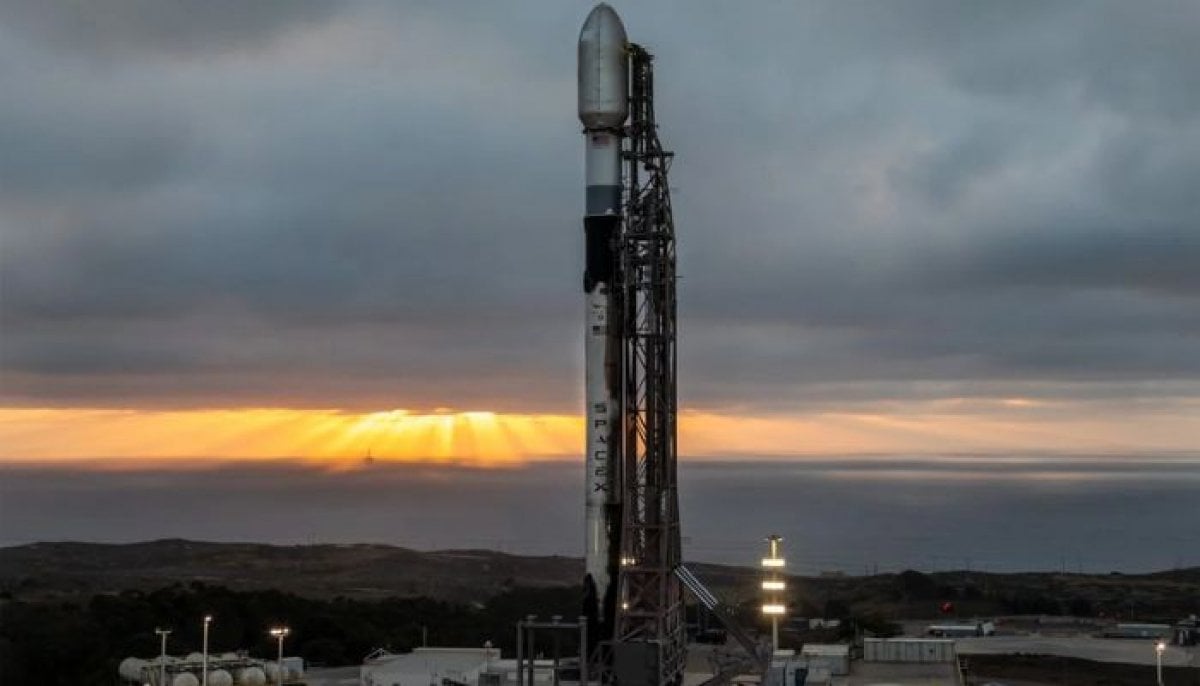 SpaceX Falcon 9 launches 21 military satellites into orbit