HMD, Mattel to launch Barbie flip phone this summer
HMD "promises to embody the vintage chic of the original girl empowerment brand with a dash of pink and, of course, sparkle"
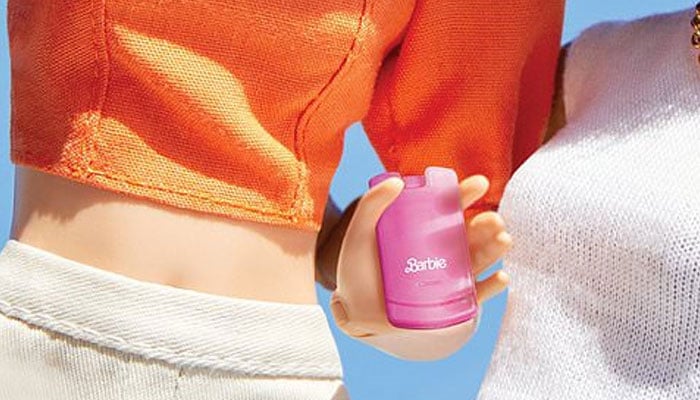
The Barbie fever continues.
Human Mobile Devices (HMD), Nokia's parent company, has announced plans to launch a Barbie flip phone this summer in collaboration with the toy manufacturer company Mattel, CNBC reported.
Barbie is a fashion doll created by American businesswoman Ruth Handler and manufactured by Mattel.
According to an HMD news release, the phone is scheduled to launch this summer and "promises to embody the vintage chic of the original girl empowerment brand with a dash of pink and, of course, sparkle."
It won't be connected to the internet, evoking memories of the "dumb phones" that existed before smartphones became popular.
Dumb phones have gained popularity, particularly among Gen Z users who are attempting to cut back on their digital usage and avoid the harmful content that can be found on sites like YouTube, Instagram, TikTok, and Snapchat.
The new phone from HMD and Mattel will come in a bright pink colour that mimics the classic pink flip phone accessory that many Barbie dolls come with.
It will be a regular flip phone with buttons instead of a touch screen.
The business has not yet disclosed details on availability or price.
HMD was spun out of Microsoft after the United States tech giant decided to sell the Nokia phone brand, which it first purchased in 2014, to a group of former Nokia executives.
HMD Global was established in 2016.


-
 Orionid meteor shower 2026: Peak date, viewing tips and what to expect
 -
 Why Mars looks blue in NASA’s unedited curiosity panorama?
 -
 Blue Origin upgrades new Glenn rocket launch infrastructure to take on SpaceX
 -
 NASA’s next Mars mission targets Phobos and Deimos, not Red Planet
 -
 Is AI ready to rewrite our understanding of physics?
 -
 Astronomers identify possible first green star in 27 years of research
 -
 New study sounds alarm as Doomsday Glacier melts more aggressively than thought
 -
 Hubble data hints at planet born after its star died