
Citizens urged to avoid unnecessary exposure to heat
Dr Seemin said provincial and city governments and other organizations have devised a comprehensive heat-wave emergency plan to save citizens from expected heat-wave like situation in the light of Pakistan Meteorological Department forecast, so situation is completely different this year if compared to the year of 2015, when the government did not take any advance precautionary measures.
KARACHI: Head of Accident and Emergency Department, Jinnah Postgraduate Medical Center (JPMC) Dr Seemin Jamali on Friday advised citizens to adopt preventive measures to avoid heat-stroke in summer season, adding there is no need to panic as overall situation is different this year if compared to previous year.
Talking to PPI, Dr Seemin said provincial and city governments and other organizations have devised a comprehensive heat-wave emergency plan to save citizens from expected heat-wave like situation in the light of Pakistan Meteorological Department forecast, so situation is completely different this year if compared to the year of 2015, when the government did not take any advance precautionary measures.
She said global warming, deforestation and unprecedented weather change have badly affected our climate; therefore, heat-wave had claimed lives of several hundreds of people previous year in Karachi.
She said children and elderly people are more vulnerable to this kind of situation so preventive measures are necessary to save them from expected heat-wave like situation.
Dr Seemin informed that tiredness, water scarcity in body, weakness, vomiting and breath disorder are some common symptoms which may lead a person towards heat-stroke.
She advised the citizen to avoid unnecessary exposure in sun, cover their heads if necessary to go outside, increase water intake, and abstain from taking tea, coffee and cold-drinks to avoid heat-stroke.
She informed that two separate wards have already been established in her hospital in or deal heat-stroke patients. She said doctors, paramedics, nurses and medicines are available to treat heat-stroke patients. She said her institution has arranged 100 extra beds to provide treatment facilities to heat-stroke patients on urgent basis.





-
 Antioxidants found to be protective agents against cognitive decline
 -
 Coffee reduces cancer risk, research suggests
 -
 Keto diet emerges as key to Alzheimer's cure
 -
 What you need to know about ischemic stroke
 -
 Shocking reason behind type 2 diabetes revealed by scientists
 -
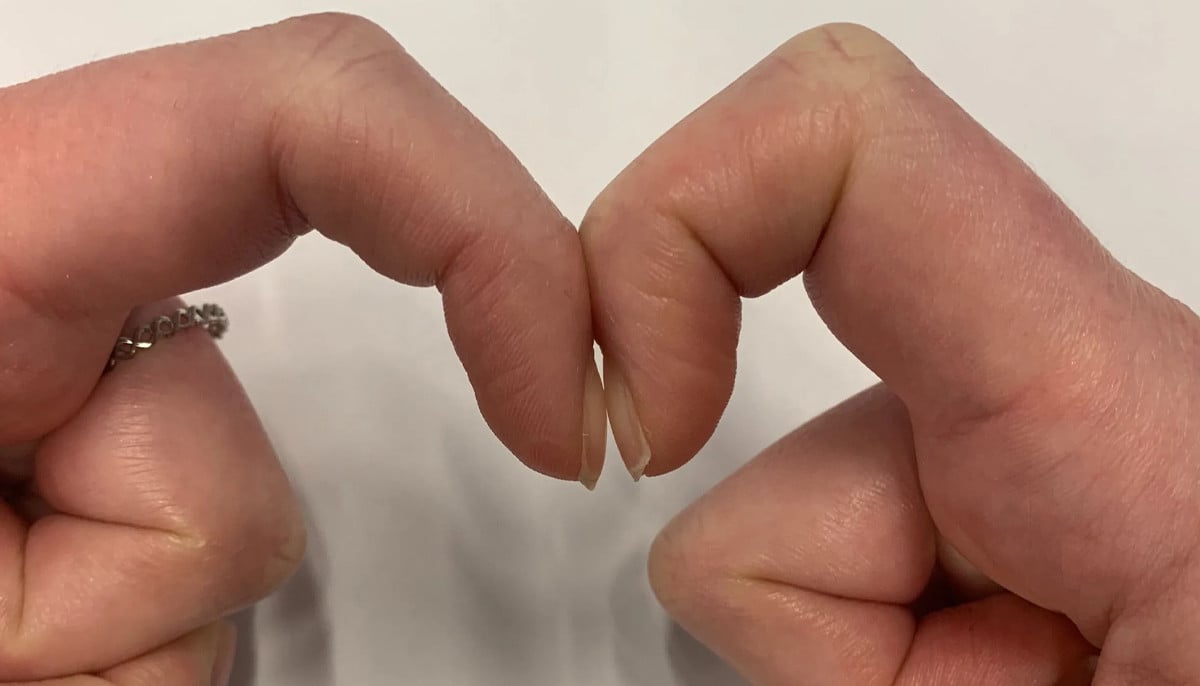 Simple 'finger test' unveils lung cancer diagnosis
 -
 Groundbreaking treatment for sepsis emerges in new study
 -
 All you need to know guide to rosacea