WhatsApp to end free Google Drive storage for chat backup in 2024
WhatsApp would begin informing users 30 days in advance before ending free Google Drive storage feature

The free Google Drive storage space provided to Android users for keeping their chat history, including photos and videos, is being discontinued by the social networking platform WhatsApp, which is owned by Meta.
The recent modifications indicate that users will soon have to choose between joining up for a Google One membership or having their WhatsApp data saved on Google Drive count against the 15GB storage limit.
Informing about the new changes in a post in November, Google wrote, “As an important heads up, WhatsApp backups on Android will soon start counting toward your Google Account cloud storage limit, similar to how WhatsApp backups are handled on other mobile platforms. This change will first start rolling out to WhatsApp Beta users starting in December 2023, then gradually to all WhatsApp users on Android starting early next year."
According to what the firm had stated, WhatsApp would begin informing users 30 days in advance with a banner under WhatsApp Settings > Chats > Chat backup, and the new modifications will begin to roll out to all users in 2024.
Our version of the WhatsApp Beta app has now started showing the message, “Backups will start using your Google storage in the next few months."
Although purchasing a Google One subscription is the apparent option for WhatsApp users who utilise more storage than the 15GB restriction, the firm still allows users to move data between Android devices.


-
 ‘A dream for 50 years’: Why world’s first nuclear clock could change timekeeping
 -
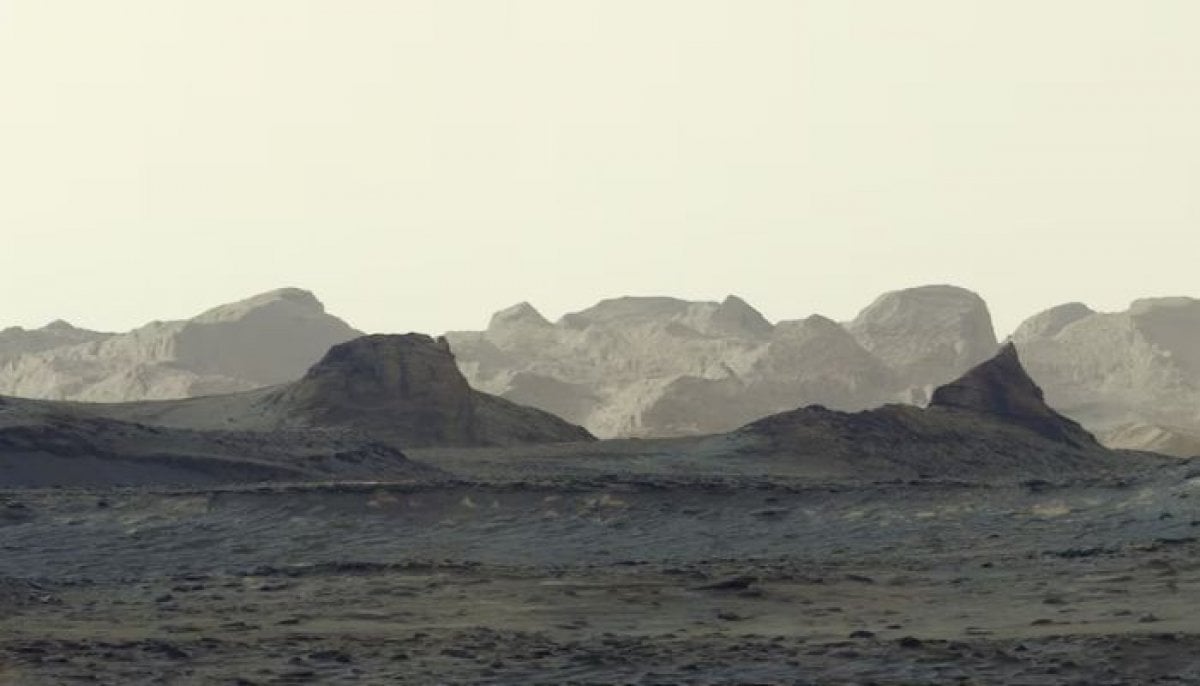 NASA Curiosity captures strange ‘wind-carved’ Mars landscape in dawn image
 -
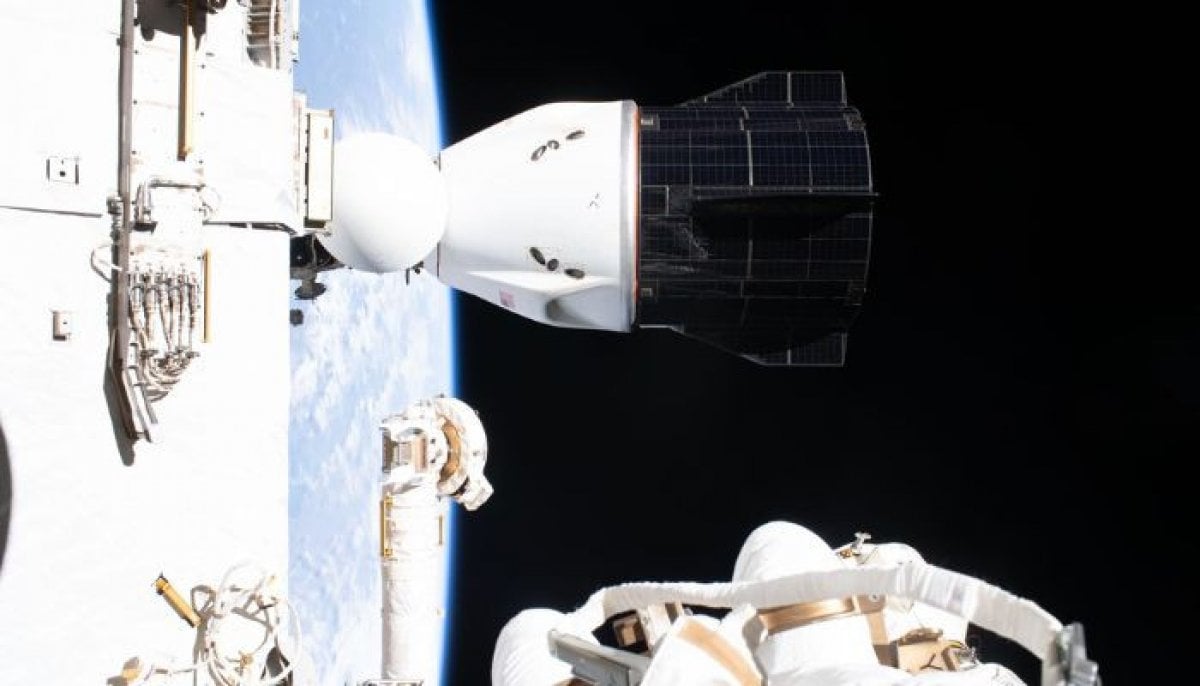 NASA's Crew-12 Dragon begins return trip from space station
 -
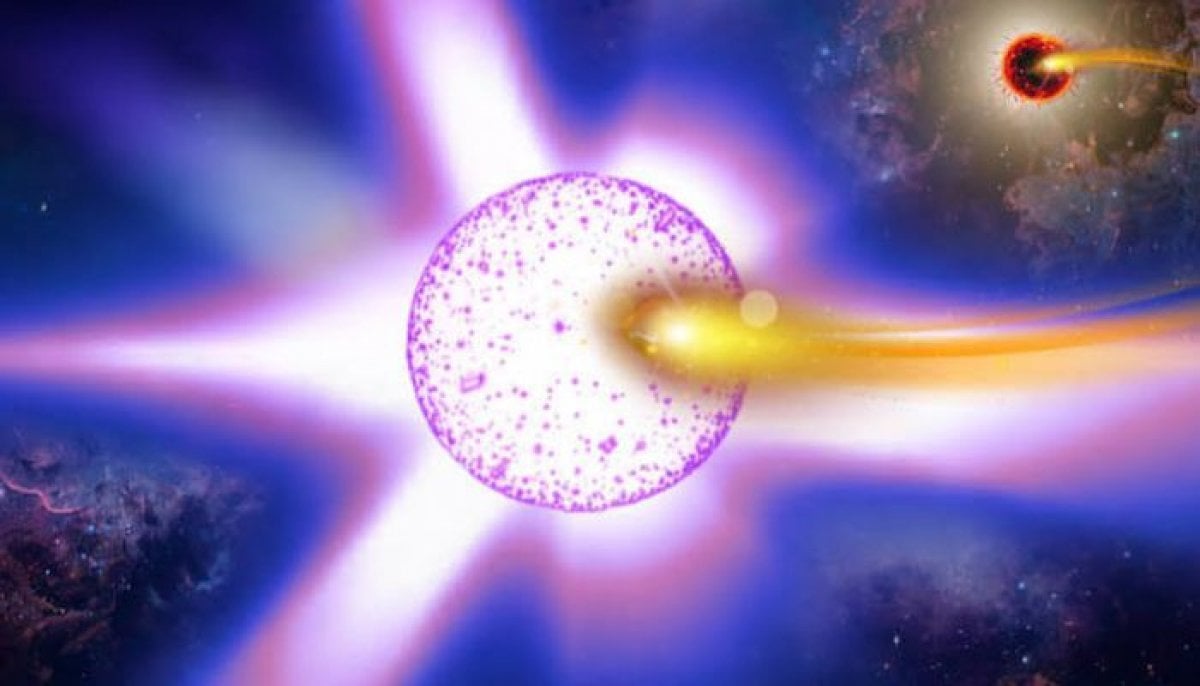 Mysterious ‘phoenix planet’ found around the remains of a dying star
 -
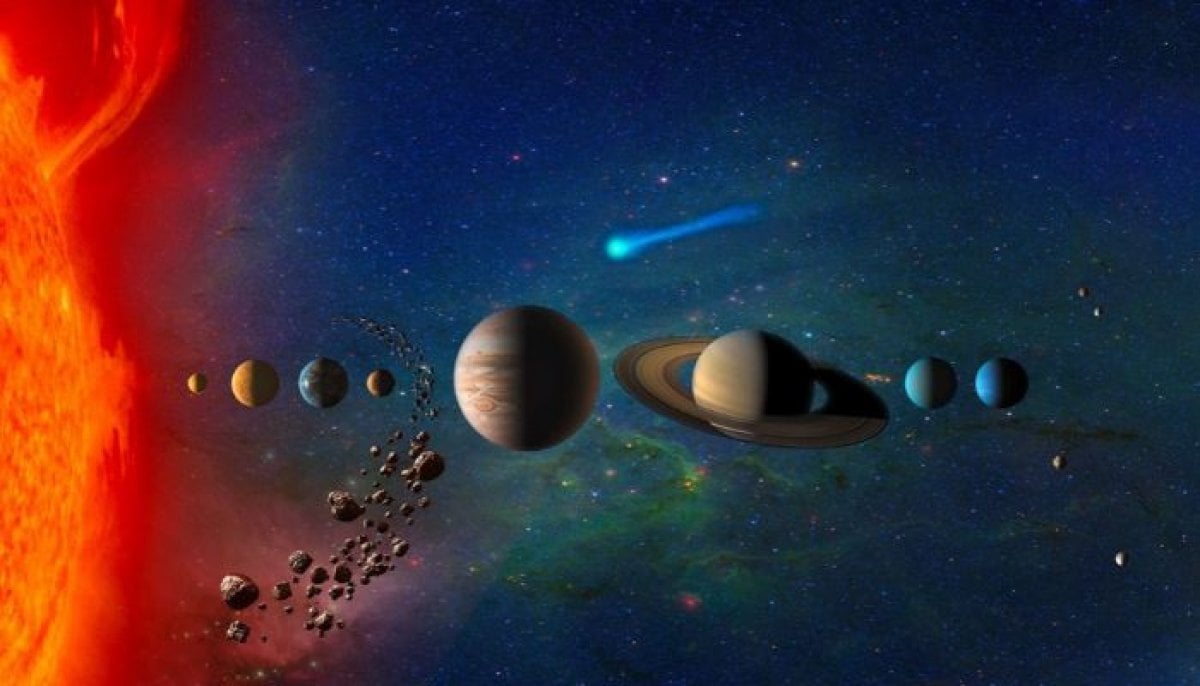 First possible evidence of Planet Nine found in infrared data
 -
 Elon Musk announces SpaceXAI rebrand to SpaceXSI following presidential order on 'Super Intelligence'
 -
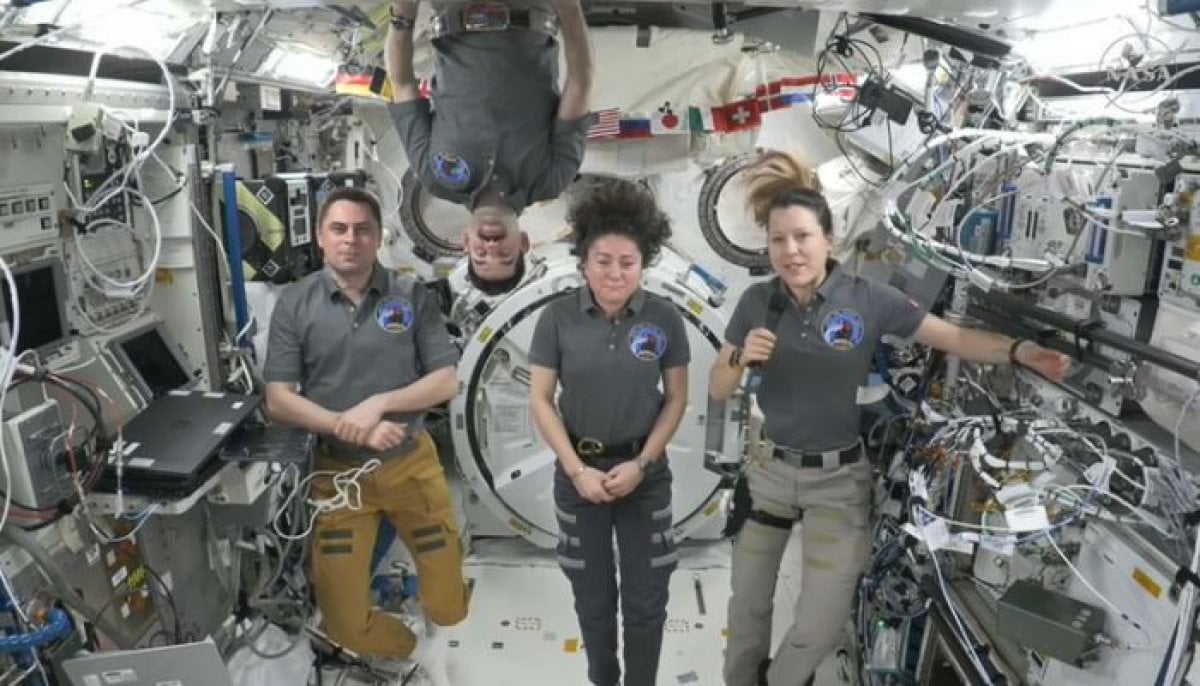 ISS Command changes hands in emotional ceremony
 -
 Moon water acts nothing like it does on Earth, study finds