Elon Musk's claim AI will 'kills us all' have 'no proof yet', says ex-Google manager
Elon Musk has always been vocal about risks associated with artificial intelligence
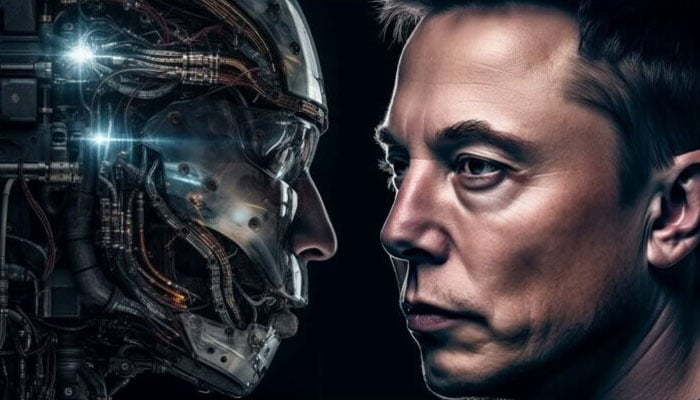
There is "no proof - yet" to support Elon Musk's allegations that artificial intelligence (AI) "will kill us all" as per a former responsible AI programme manager at Google.
Toju Duke, who spent over ten years working at Google, stated to The Sun: “I’ve not seen any proof with the AI were dealing with today."
The eccentric billionaire has always been vocal about the risks associated with artificial intelligence (AI), but only last month, his business, xAI, launched Grok, its very own chatbot.
Despite this new AI service, Musk stated the following in early November at the global AI Safety Summit in the UK: "There is some chance, above zero, that AI will kill us all."
"I think it's slow but there is some chance."
Experts such as Duke and Musk discuss several risks, such as infringement on human rights, the propagation of harmful stereotypes, invasions of privacy, infringement on copyright, false information, and cyberattacks.
Some people even worry about AI being used in nuclear and biological weapons.
“There is no evidence of that happening yet," says Duke.
"But of course, it's something that could be potentially a risk in the future.”
The more exaggerated worries about AI are currently just excessive pessimism.


-
 Mount Etna may have different origin as study reveal new facts about its formation
 -
 What did NASA capture? Chief says mysterious UFO images remain unexplained
 -
 Are Milky Way’s coldest stars actually alien megastructures? New study explores
 -
 China takes major step toward reusable rockets with sea-based booster recovery test
 -
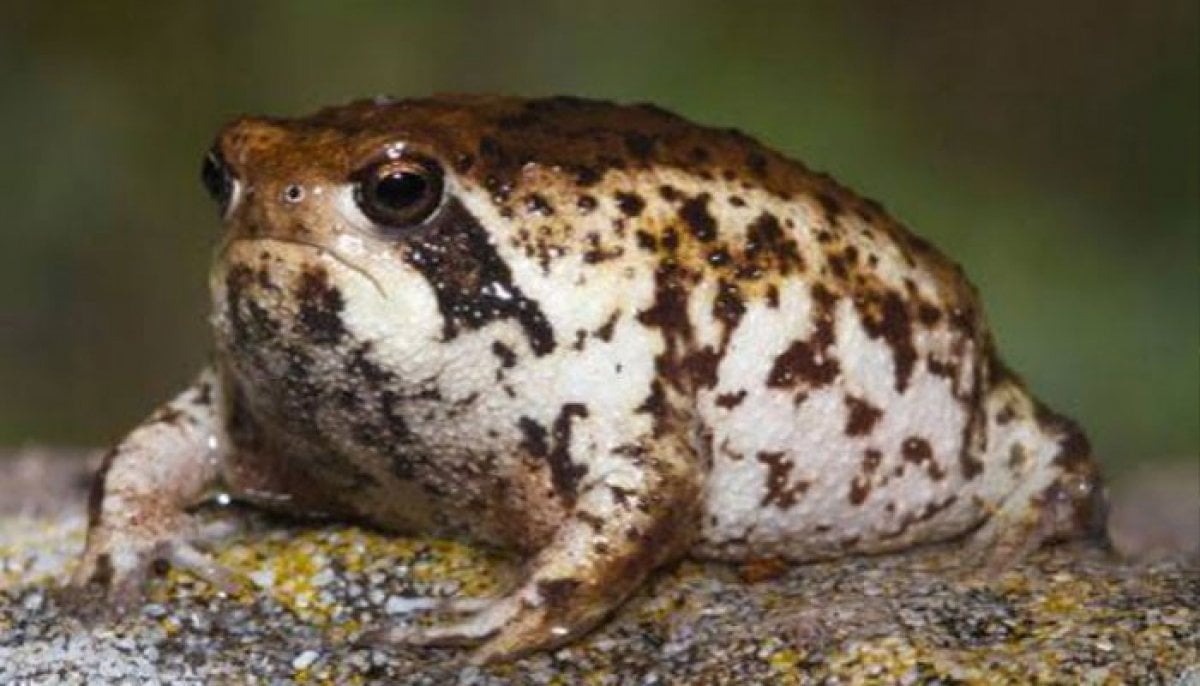 Species under threat: Viral 'squeaky frog' faces extinction risk
 -
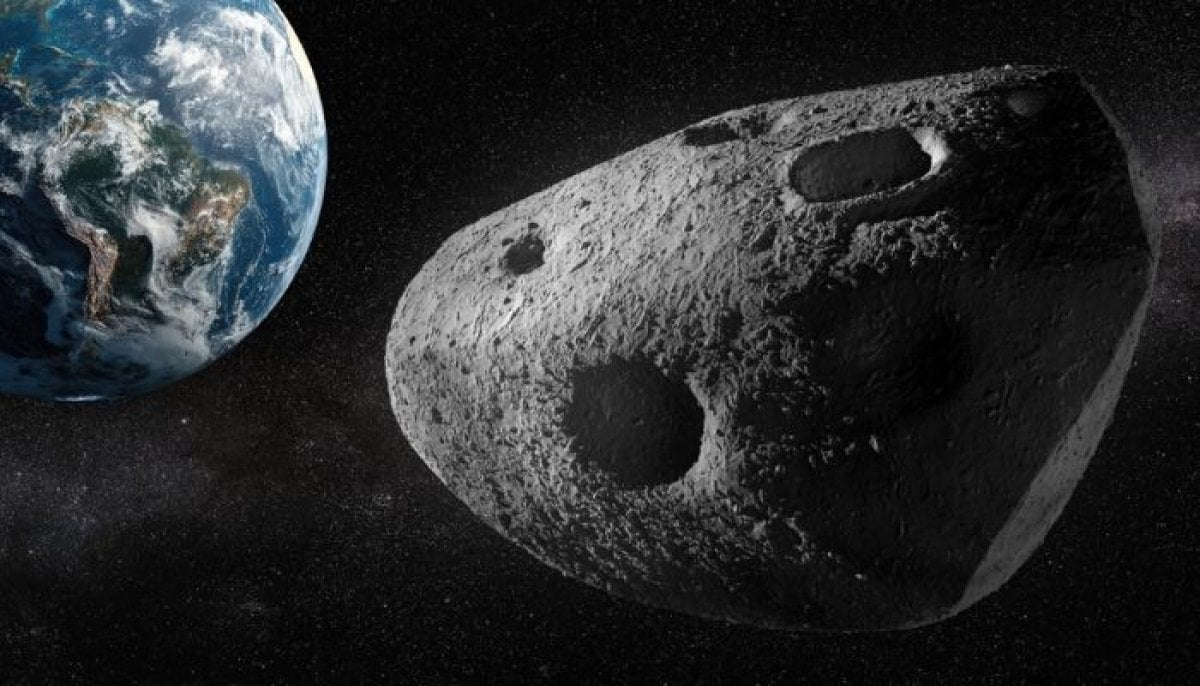 China reveals plans for an asteroid early-warning network
 -
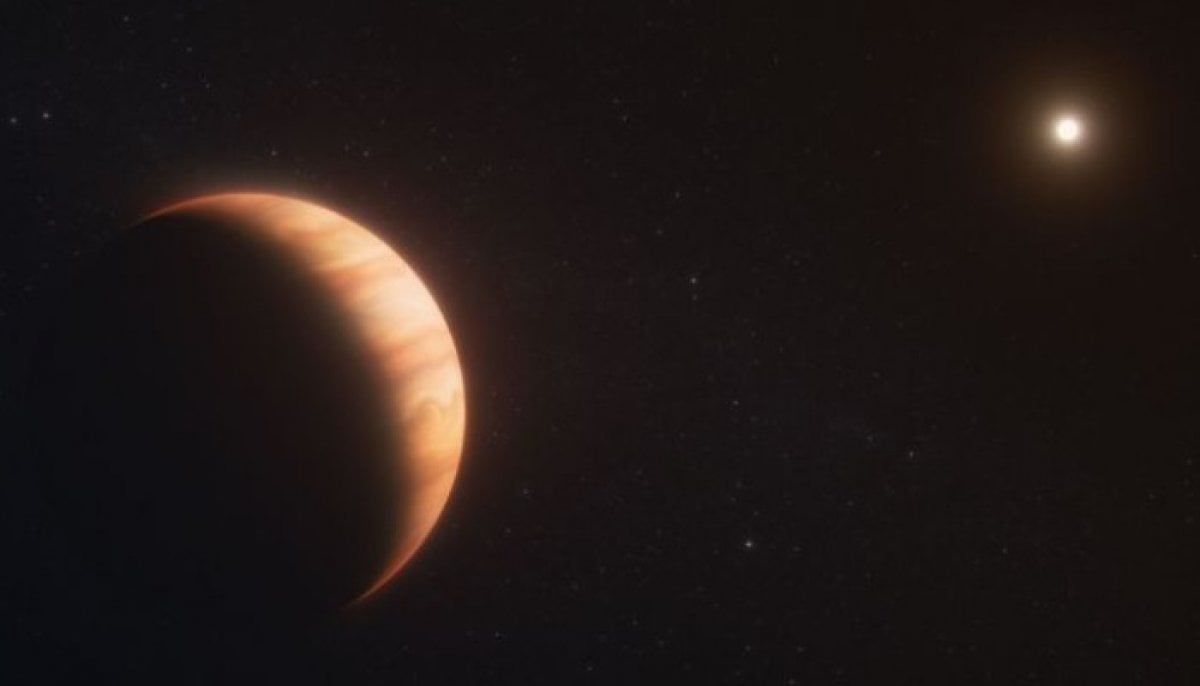 How an exoplanet survived its star’s death is baffling astronomers
 -
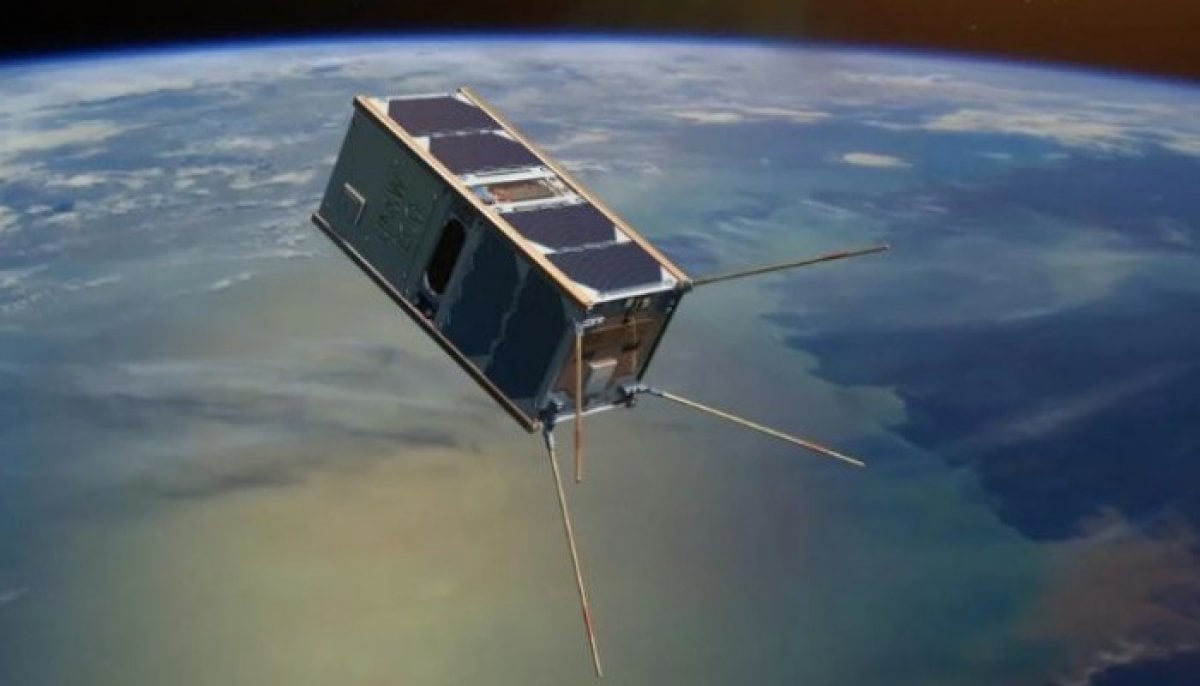 Scientists unveil method to detect nuclear weapons hidden in satellites
-
 Japan’s ispace partners with SpaceX Starship for moon ride-share missions
 -
Astronomers find oldest known quasars that defy current theories
-
7.6 billion people could see asteroid Apophis in 2029: Here’s the map
-
NASA’s Hubble at US 250th Anniversary: Blue and white dazzling stars spotted in crimson stellar nursery