
What to know about Elon Musk's SpaceX Transporter-9 'ride share' mission?
Elon Musk's SpaceX Transporter 9 "ride share" mission is in collaboration with Planet Labs
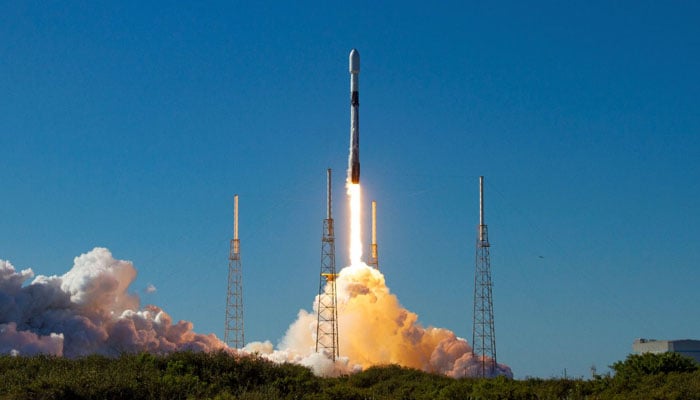
Elon Musk's space exploration company is scheduled to launch a "ride-share" spaceship called Transporter-9 on Saturday, which is scheduled to take off from the Californian Vandenberg Space Force Base.
During the mission, the spacecraft is scheduled to launch hundreds of satellites for both government and commercial clients into orbit, with the launch occurring at 10:49am Pacific Time from the US launch pad.
The Pelican-1 demonstration satellite from Planet Labs (NYSE:PL), a corporation traded on the New York Stock Exchange that offers daily data and insights about Earth, will be on board the newest mission.
As part of the mission, 36 SuperDoves and Flock 4Q satellites will also launch into space on board the SpaceX spaceship.
Since 2013, Planet Labs (NYSE:PL) has launched over 500 satellites as part of its flagship Dove series, which uses daily scans kept in an archive of at least 2,400 photos to capture changes on Earth.
The purpose of Planet Labs' planned and constructed Pelican-1 satellite is to evaluate the architecture and functionality of its common bus platform.
The upcoming generation of image sensors from the business will be housed on that platform and used in the Pelican and Tanager constellations.
The Pelican constellation seeks to enhance the SkySats satellite, which is currently in orbit and is part of Planet Labs' high-resolution system.
Once more Pelican satellite platform iterations are operational, it will begin to produce commercial images.



-
 Annular solar eclipse 2026: Where and how to watch ‘ring of fire’
 -
 Scientists discover rare form of 'magnets' that might surprise you
 -
 Humans may have 33 senses, not 5: New study challenges long-held science
 -
 Northern Lights: Calm conditions persist amid low space weather activity
 -
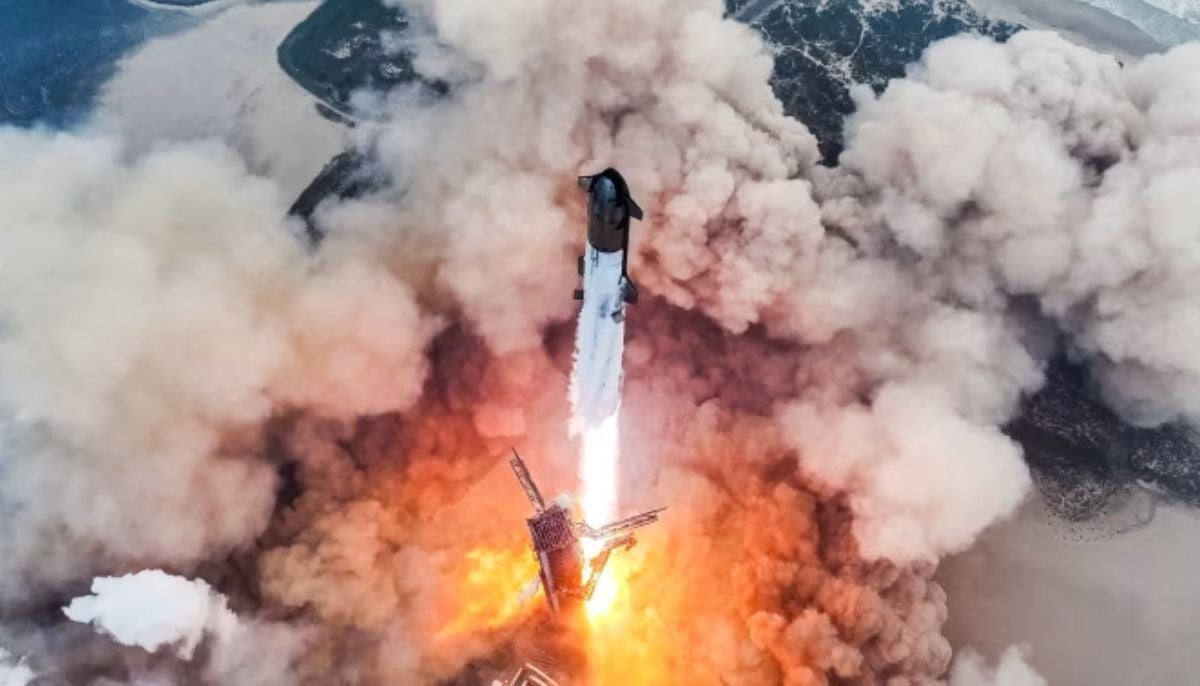 SpaceX pivots from Mars plans to prioritize 2027 Moon landing
 -
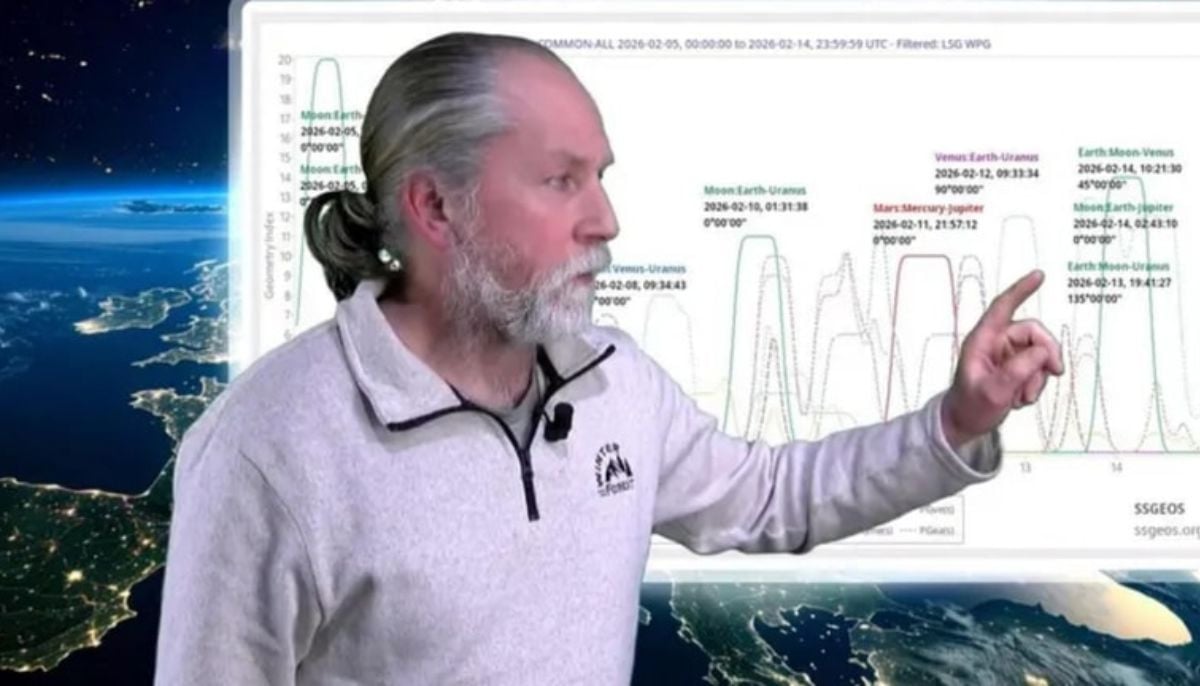 Dutch seismologist hints at 'surprise’ quake in coming days
 -
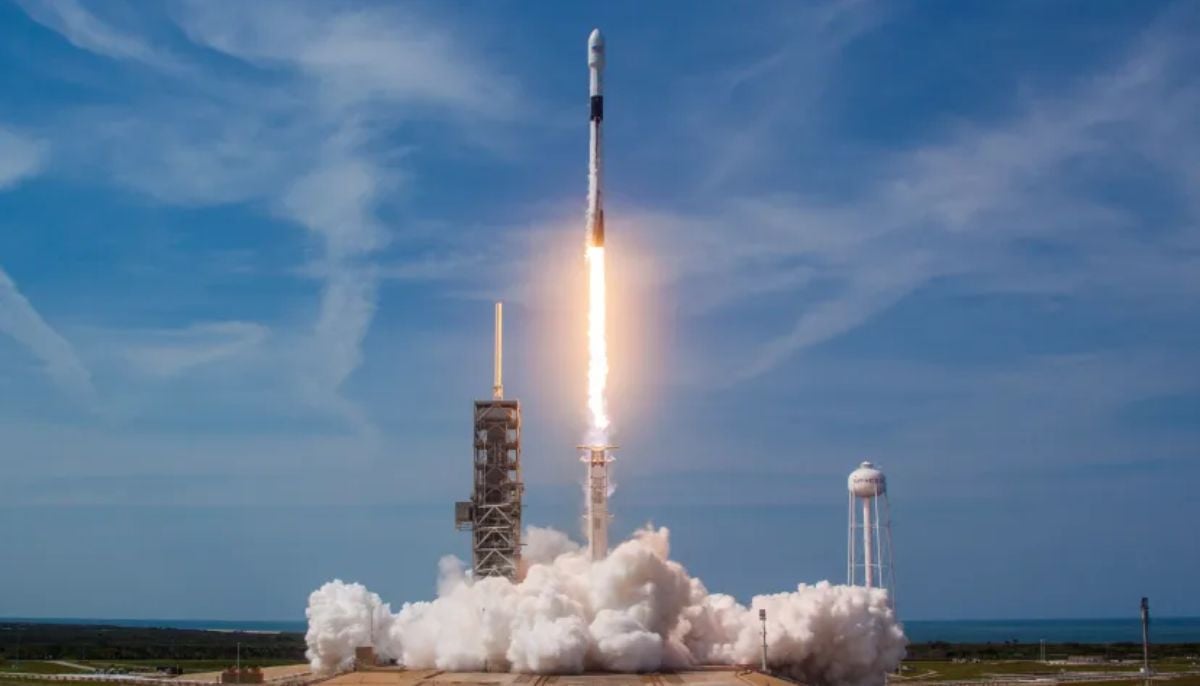 SpaceX cleared for NASA Crew-12 launch after Falcon 9 review
 -
 Is dark matter real? New theory proposes it could be gravity behaving strangely