'Turkey, Syria quake could affect up to 23 million people'
WHO also vows agency will "work closely with all partners to support authorities in both countries"
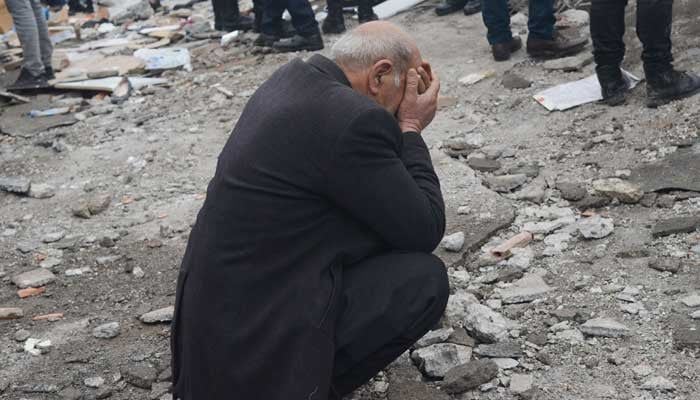
GENEVA: Up to 23 million people could be affected by the massive earthquake that has killed thousands in Turkey and Syria, the WHO warned on Tuesday, promising long-term assistance.
"Event overview maps show that potentially 23 million people are exposed, including around five million vulnerable populations," the World Health Organisation's senior emergencies officer Adelheid Marschang said.
"Civilian infrastructure and potentially health infrastructure have been damaged across the affected region, mainly in Turkey and northwest Syria," she said.
The WHO "considers that the main unmet needs may be in Syria in the immediate and mid-term," Marschang told the WHO's executive committee in Geneva.
She spoke as rescuers in Turkey and Syria braved freezing cold, aftershocks and collapsing buildings, as they dug for survivors buried by a string of earthquakes that killed more than 5,000 people.
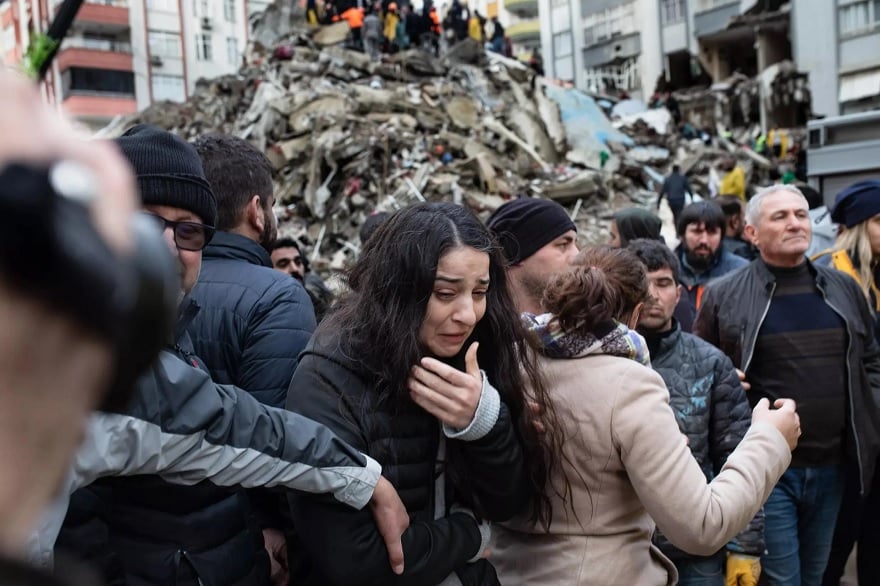
"It is now a race against time," said WHO chief Tedros Adhanom Ghebreyesus, explaining that the UN health agency was urgently sending aid to the area.
"We're mobilising emergency supplies and we have activated the WHO network of emergency medical teams to provide essential health care for the injured and most vulnerable."
Disaster agencies said several thousand buildings were flattened in cities across a vast Turkey-Syria border region — pouring misery on an area already plagued by war, insurgency, refugee crises and a recent cholera outbreak.
Through the night, survivors used their bare hands to pick over the twisted ruins of multi-storey apartment blocks — trying to save family, friends and anyone else sleeping inside when the first massive 7.8-magnitude quake struck early Monday.
The situation is particularly dire in northern Syria, which has already been decimated by years of war.
"The movement of aid through the border into northwest Syria is likely to be or is already disrupted due to the damage caused by the earthquake," Marschang said.
"This in itself would be a huge crisis already."
She addressed a special meeting on the tragedy, which held a minute's silence for the victims.
The WHO chief vowed that the agency would "work closely with all partners to support authorities in both countries in the critical hours and days ahead, and in the months and years to come as both countries recover and rebuild."


-
 US envoy Witkoff heads to Russia for Putin meeting after ‘positive’ talks with Zelenskyy
 -
 Abdul El-Sayed heckler linked to Republican strategist that was paid $250K to oppose him
 -
 Flights to Europe could get more expensive in 2027 as fuel costs surge, Ryanair warns
 -
 CNN threatens to sue Trump administration again over Air Force One press ban
 -
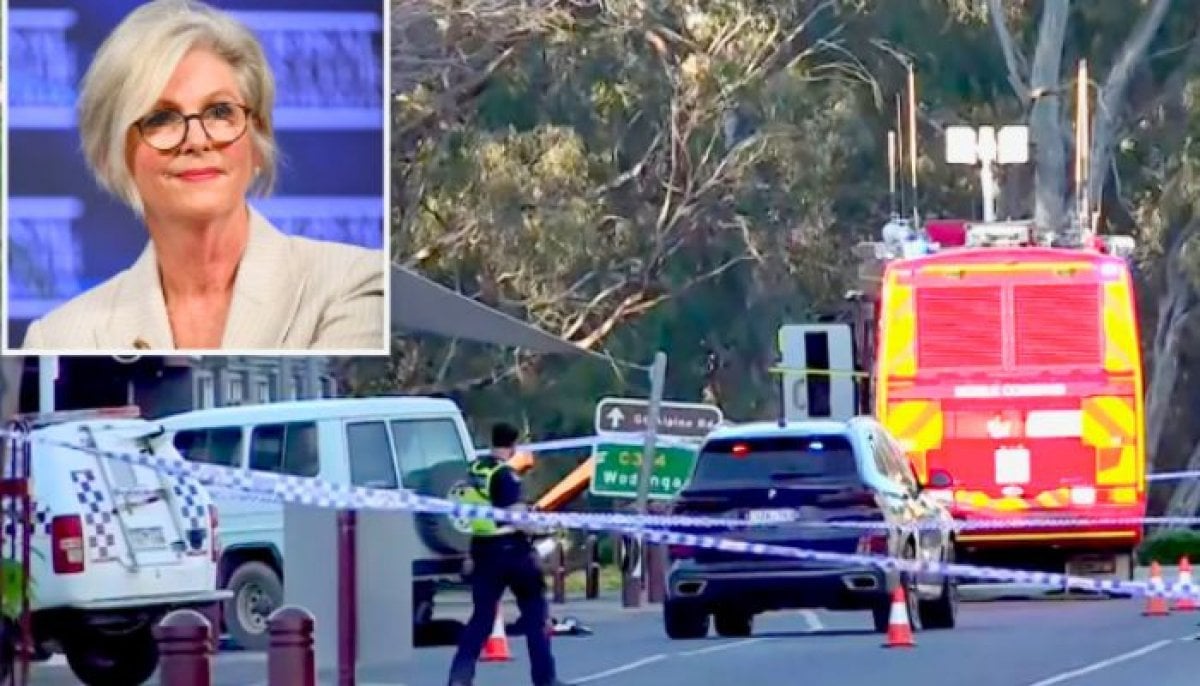 Attack on Australian MP Helen Haines highlights escalating threats to public figures
 -
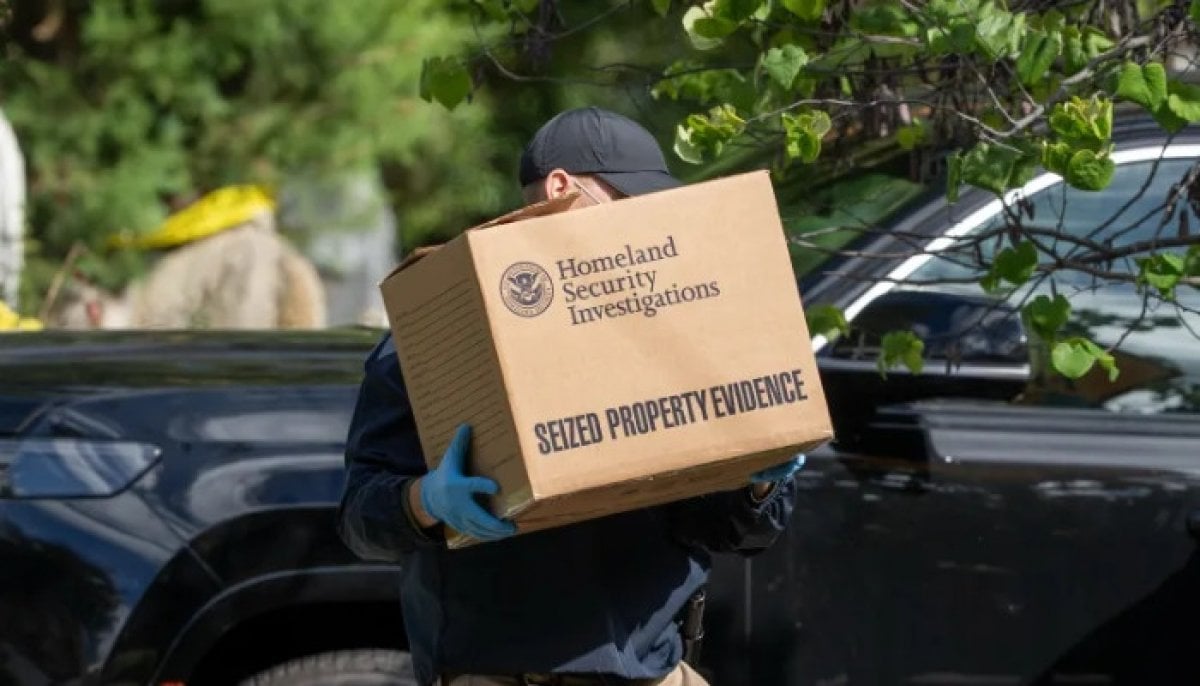 Ilhan Omar's sister questioned by investigators amid US citizenship fraud probe
 -
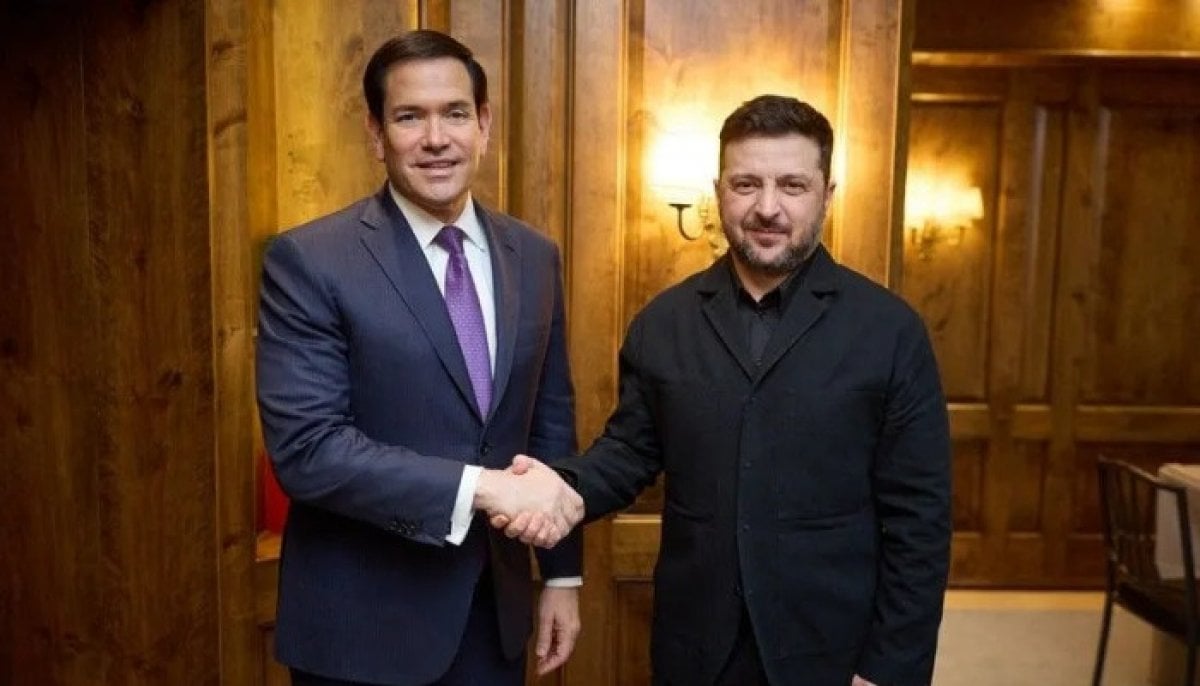 Zelenskyy calls Rubio talks constructive after Trump eases Russia sanctions for 60 days
 -
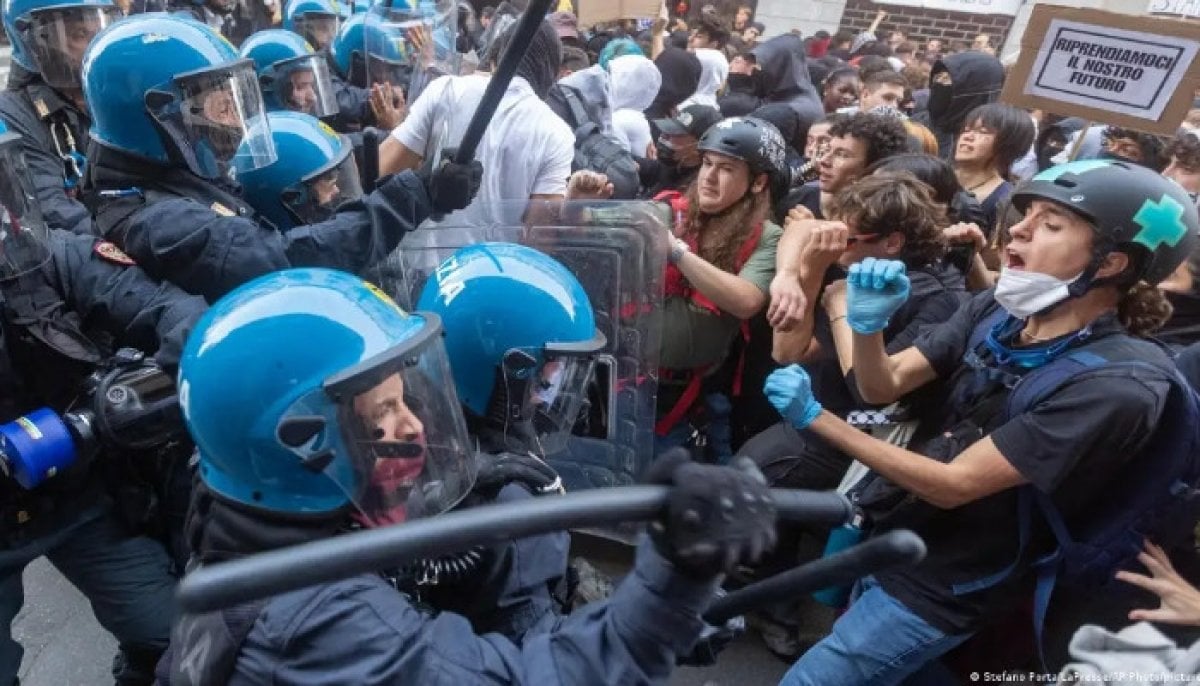 Milan on high alert as Italy deploys 500 troops following days of riots and looting