25 years from now, Miftah not too optimistic about Pakistan's economic outlook
Former federal finance minister Miftah Ismail shares three fundamental problems Pakistan’s economy suffers from during talk on country's economic future at Habib University
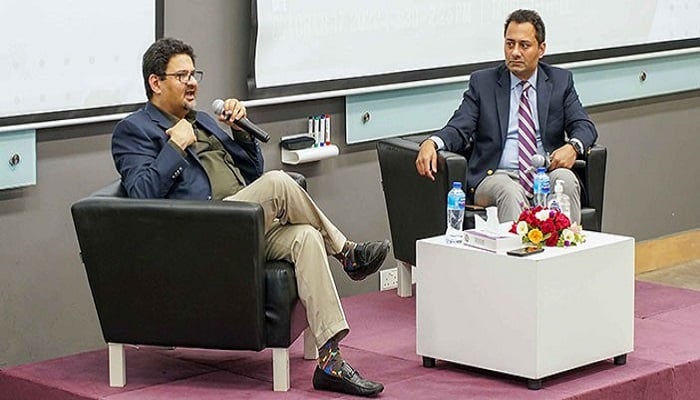
Former federal finance minister Miftah Ismail is not too optimistic about Pakistan's economic outlook in 2047.
He expressed this view during a talk, 'Pakistan’s Economic Future', hosted by Habib University and moderated by Dr Aqdas Afzal, an assistant professor of Social Development and Policy at the varsity.
Ismail shared Pakistan’s economy suffers from three fundamental problems: we don’t live within our means, our focus is on import substitution and not export growth and there is an ‘elite bargain’ in the country, essentially meaning that 99% of the population continues to work for the privileged one percent.
During the talk, Ismail alluded to the difficult decisions he had faced at the time of taking office. According to him, "there was no commercial lending, we couldn’t sell our bonds and we weren’t part of the IMF programme.”
He pointed out that the government’s efforts to secure financing from friendly nations also met with cold shoulders and fell on deaf ears. “When you are defaulting, no one helps you out,” he explained, reasoning that raising prices was the only way the country could have been saved.
To a question regarding what Pakistan would be like in 2047, Dr Ismail, was not too optimistic. He pointed out that in the last 75 years, we had neglected to provide proper education to our youth, and built a society which was inherently intolerant. He cited the example of many educated minorities who have left the country for the same reason.
He also pointed out that as a nation, everyone knew the problems but when it came to solving them, there was a tendency to delay them. He questioned how it was possible for people to talk about exporting Information Technology from Pakistan, “You are not developing institutes for IT, but want to export it, that’s not going to happen,” he said.
To a question regarding the possibility of receiving climate reparations, he was of the opinion that there were other countries that were worse off than Pakistan when it came to the effects of climate change, adding that Pakistan was not liked by most countries. Referring to the effects of the floods, Dr Ismail said that while physical damage might be repaired, he wondered how we'd be able to repair the emotion and psychological loss suffered by those affected.


-
 World Bank in crisis aid talks with dozens of nations amid global shocks
 -
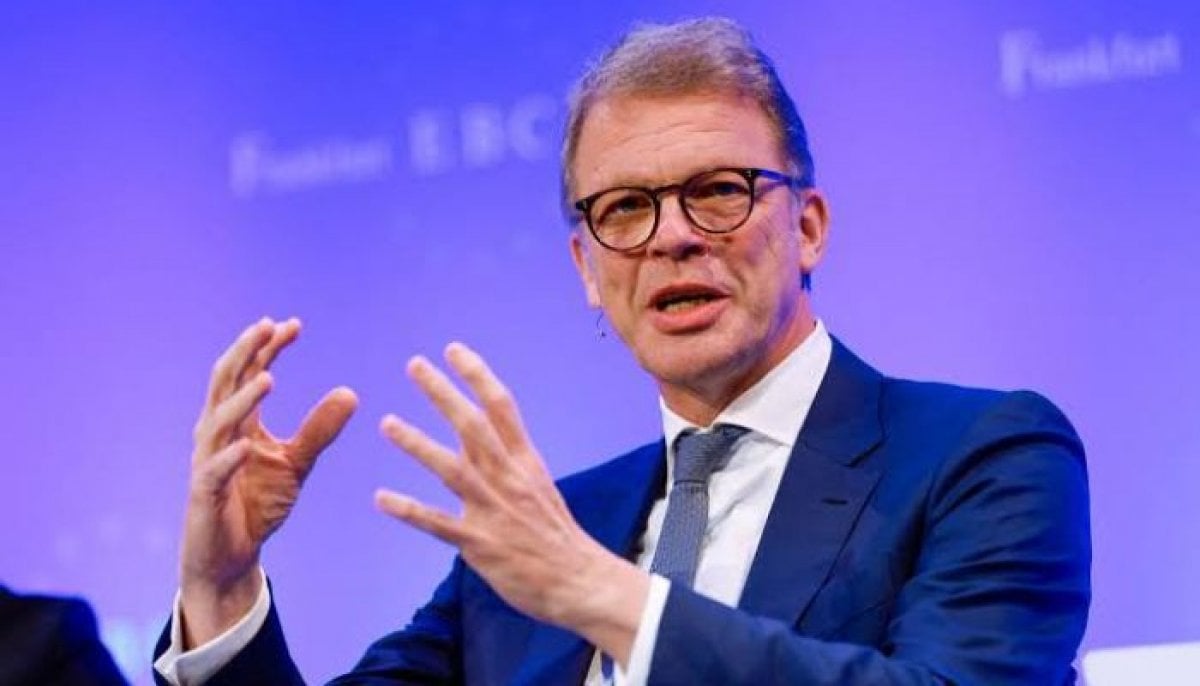 Deutsche Bank chief explains why German election results alarm foreign investors
 -
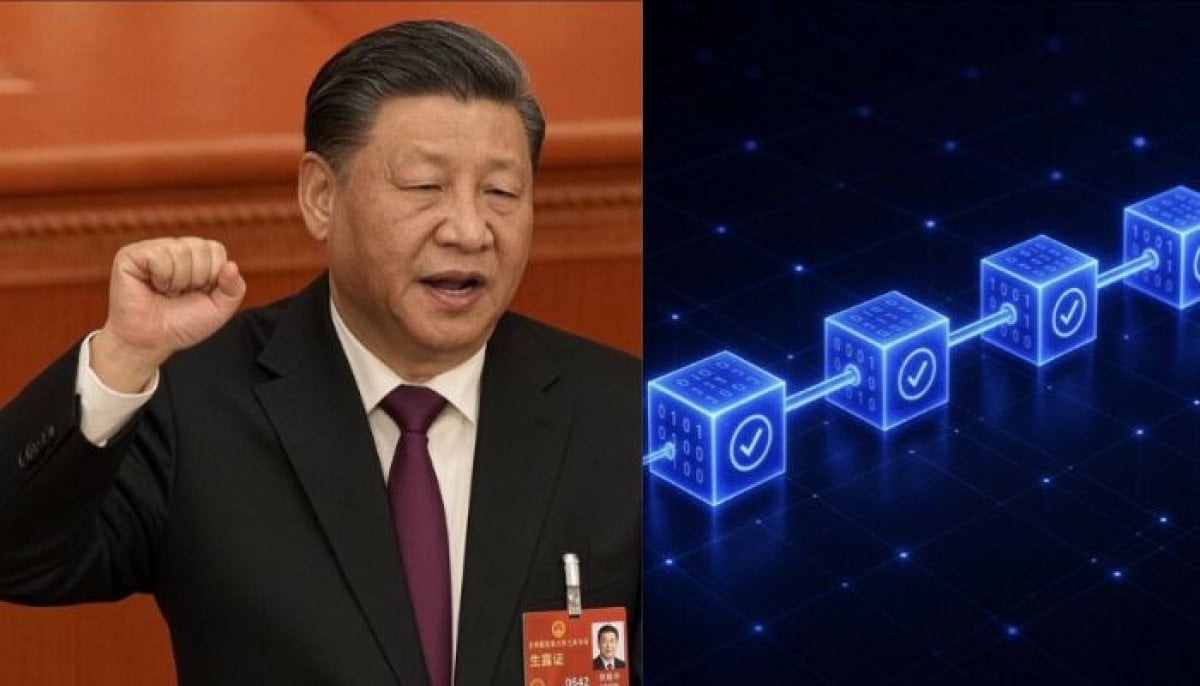 China orders development of national blockchain network in economic blueprint: Here’s why
 -
 Tesla renames 'full self-driving' to 'assisted driving' in Europe: What to know
 -
 US sanctions ICC hours after former judge wins Nobel Prize: What to know
 -
 Trump holds millions in Meta stock: What to know
 -
 Amazon announces 1,000 corporate job cuts, primarily targeting retail division
 -
 Coupang files lawsuits to contest record $462 million South Korean data breach penalties