
Boiling point
Heatwaves have made their second appearance in Lahore, where the temperature rose to 43.3 degrees C on Monday
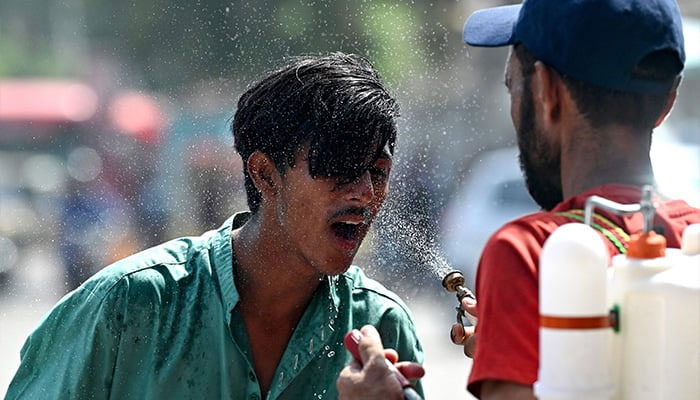
Since Sunday, at least 27 unclaimed bodies have been found in different areas of Karachi. According to Edhi Foundation, the dead included drug addicts, and while it is normal to find two-three dead bodies every day, the surge in the number is likely due to extreme temperatures in the city, which is currently in the grip of heatwaves. This condition is not restricted to Karachi. Heatwaves have made their second appearance in Lahore, where the temperature rose to 43.3 degrees C on Monday. In Balochistan, hot weather conditions have created many problems for residents. In Turbat alone, the mercury reached 48 degrees C.
The government has been repeatedly told that it should set up relief camps for people. These spots help the helpless get the vital aid they need to keep their bodies hydrated and get some respite. Social media is full of images of people sitting near bank ATM kiosks to feel the cold wind coming out from the small gaps in the glass door. The 27 people who lost their lives cannot come back, but the government can save hundreds of other such people by setting up camps at bus stands and traffic signals. Temporary rest spaces should be made to allow people to escape the heat. We say that natural disasters do not discriminate, but in a country where inequalities are everywhere, the already burdened people are more likely to face the extreme effects of climate-induced catastrophes. Amid all this, the behaviour of power supply companies has been dismal. From Karachi to Lahore to many parts of Khyber Pakhtunkhwa, power outages are back. While there are legitimate concerns regarding power theft and lack of payment, perhaps such punishments can wait till after the current heatwave. In the event of a natural disaster, we should chalk out one goal for ourselves: protect as many people as possible regardless of what their life choices are.
There is also a pressing need for long-term strategies to address the underlying factors contributing to these tragedies. Investments in infrastructure, healthcare, and urban planning must consider climate resilience to safeguard communities from future heatwaves. Government agencies, civil society organizations, and citizens must unite in their efforts to protect the most vulnerable and ensure that no one is left behind in the face of such adversity.







-
 Dolly Parton's Rare Approach To Battle Grief Following Tragic Loss Of Late Husband Laid Bare
 -
 How Queen Elizabeth's Silence Impacted Diana And Meghan
 -
 Olivia Munn Raves About Her 'Your Friends & Neighbors' Costar James Marsden
 -
 Khloe Kardashian Gets Candid About Weight Loss Struggles
 -
 Jon Hamm Weighs In On ‘dark’ Modern Dating Culture: 'I Was Never Really Good At Dating Anyway'
 -
 Miley Cyrus Receives Heartfelt Praise From 'Love On The Spectrum's Logan Pereira
 -
 DeepSeek V4 Model Bets On Huawei Chips As Demand Surges
 -
 Ty Herndon Talks 'building A Future' With Partner Amid Memoir Release
 -
 'General Hospital' Star Sofia Mattsson Spills The Truth About 'Days Of Our Lives' Role
 -
 Ben Stiller Reveals Hidden Struggles Of Bro Bowlers
 -
 Brian Cox Launches Savage Attack On Johnny Depp
 -
 Pooh Shiesty, His Father Arrested Over Gucci Mane Kidnapping
 -
 Blake Lively 'devastated' After Legal Loss Against Justin Baldoni
 -
 Queen Elizabeth Ignored Warning Signs In Andrew Case To Protect Him?
 -
 'Hollyoaks' Star Keiron Richardson Confirms Speculation About Major Character Exit
 -
 King Charles, Harry Reconciliation: Royal Expert Reflects On 'work Going On Behind The Scenes'