
Emergency care
Ensuring the supply of medicines and doctors to remote hospitals is also a priority
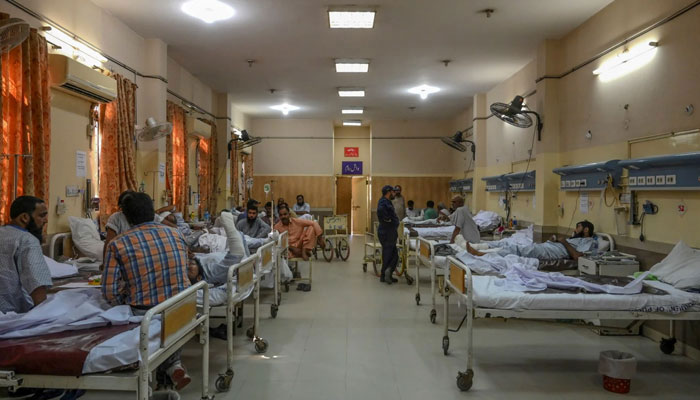
Emergency medical care in Punjab is about to be augmented with the launch of the province’s first air ambulance service. According to the provincial minister for specialized healthcare and medical education, the air ambulances will be used to ensure swift medical assistance for critical cases on motorways, and training sessions are underway to equip rescue teams with the latest skills needed for this service. Ensuring the supply of medicines and doctors to remote hospitals is also a priority. There is also the possibility of other provinces developing air ambulance services in the near future, with Khyber Pakhtunkhwa Chief Minister Ali Amin Gandapur ordering the start of the air ambulance service within four months. Government-provided emergency medical care in Pakistan, like medical care in general, has historically been rather inadequate and is often supplemented by charitable emergency care services like ambulances. This is the case in at least major urban centres. As such, the provision of an air ambulance service will provide those travelling on the country’s motorways with some much needed insurance in case of an accident or other medical emergencies. Having such services in place during normal times also helps in situations like natural disasters and other unexpected crises, allowing the authorities to have functioning emergency services in place to provide rapid assistance.
That being said, one cannot ignore the larger need to build up the rural and remote healthcare network in Pakistan. Emergency medical services in these areas are indeed a welcome addition, but without having sufficient hospitals, clinics, doctors and other associated facilities close at hand providing adequate care to those travelling, let alone living in, across remote areas will remain a remote possibility. Suffering a medical emergency on the motorway, getting into an air ambulance and then finding that the nearest hospital is still hours away and/or that it does not have the required medicine or specialist will be a very real possibility without strengthening the overall healthcare network in the country. Having this ready access to a variety of health services becomes all the more urgent in disaster situations, a lesson the country arguably learnt the hard way in the aftermath of the 2022 floods when millions of displaced people found themselves without the medical assistance they needed. The involvement of global NGOs like Unicef and the World Bank may well have prevented these circumstances from getting as bad as they could. As such, like all other discussions surrounding healthcare in Pakistan, the matter comes back to inadequate spending on overall healthcare. Our health budget still falls woefully short of the six per cent of GDP recommended by experts and this gap cannot be plugged by any new service or scheme no matter how innovative it may be.







-
 King Charles, Princess Anne, Prince Edward Still Shield Andrew From Police
 -
 US Set To Block Chinese Software From Smart And Connected Cars
 -
 Carmen Electra Says THIS Taught Her Romance
 -
 Leonardo DiCaprio's Co-star Reflects On His Viral Moment At Golden Globes
 -
 SpaceX Pivots From Mars Plans To Prioritize 2027 Moon Landing
 -
 King Charles Still Cares About Meghan Markle
 -
 J. Cole Brings Back Old-school CD Sales For 'The Fall-Off' Release
 -
 GTA 6 Built By Hand, Street By Street, Rockstar Confirms Ahead Of Launch
 -
 Funeral Home Owner Sentenced To 40 Years For Selling Corpses, Faking Ashes
 -
 Why Is Thor Portrayed Differently In Marvel Movies?
 -
 Dutch Seismologist Hints At 'surprise’ Quake In Coming Days
 -
 Australia’s Liberal-National Coalition Reunites After Brief Split Over Hate Laws
 -
 DC Director Gives Hopeful Message As Questions Raised Over 'Blue Beetle's Future
 -
 King Charles New Plans For Andrew In Norfolk Exposed
 -
 What You Need To Know About Ischemic Stroke
 -
 Shocking Reason Behind Type 2 Diabetes Revealed By Scientists