
Several issues cloud FBR restructuring
Tax officers are threatening to approach higher judiciary if caretaker finance minister rushes approval of summary through cabinet
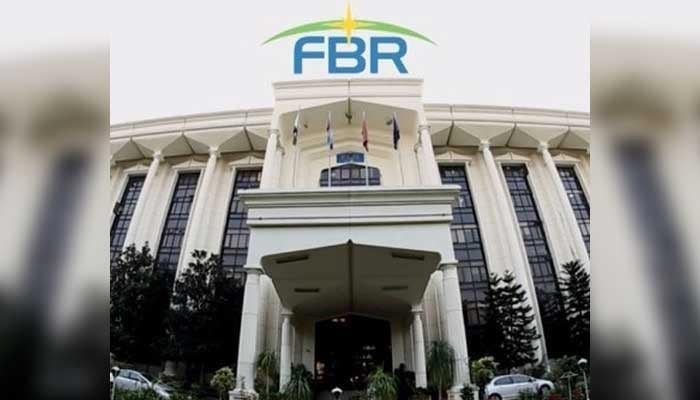
ISLAMABAD: The proposed restructuring of the FBR is criticised for lacking clarity, an implementation mechanism, and ownership by relevant ministries.
Tax officers are threatening to approach the higher judiciary if the caretaker finance minister rushes the approval of the summary through the federal cabinet.
Tax officers are also warning the government about the potential risks to the financial independence of the federation if further fragmentation of administration and taxes occurs without a well-thought-out strategy.
The existing FBR structures, developed with technical assistance from IFIs such as the World Bank in the late 1990s and early 2000s, are considered well-thought-out. The current tax collection system is a result of reforms undertaken during that period.
Caretaker Finance Minister Dr. Shamshad Akhtar visited the FBR’s headquarters, where officers expressed concerns about the proposed restructuring plan. However, their concerns were not adequately addressed, leading to increased frustration.
Critics argue that the restructuring plan lacks a clear direction and fails to provide in-depth details on the multiplication of policy and administrative boards at the top level. There are uncertainties about the segments of the tax machinery responsible for tax charging and collection.
Under the restructuring plan, there will be a Federal Tax Policy Board, an Oversight Board, a Federal Board of Customs, and a Federal Board of Inland Revenue. However, the current structure of the FBR will be retained without clear guidance on implementation.
Concerns are raised about the practicalities of collecting inland revenue taxes when there will be two separate boards for customs and the inland revenue service (IRS).
Questions also arise about the international obligations that the FBR is responsible for, with no clarity on how these obligations will be discharged.
The caretaker government, with limited time left, emphasises the need for restructuring to address the low tax-to-GDP ratio and ensure taxpayer facilitation.
However, there is a lack of clear answers on how the proposed plan will bring sectors like agriculture, retail, and real estate into the restructuring.
Critics argue that the restructuring plan may further divide the revenue service and could lead to disruptions in the revenue stream, affecting the achievement of revenue targets for the current financial year.
Concerns are expressed about the impact on the careers of young and middle-career officers, who fear that their prospects are at stake.
The shift from a technical board to a corporate board structure is deemed unacceptable by the Tax Administration, as it is considered alien to revenue boards globally or regionally.


