Berries are nature’s candy - bursting with flavour, rich in nutrients, and found everywhere from deep forests to city gardens....

NATURE’S BOUNTY
Berries are nature’s candy - bursting with flavour, rich in nutrients, and found everywhere from deep forests to city gardens. For young people interested in healthy eating, sustainable foraging, or simply expanding their culinary horizons, berries offer a delicious and exciting world to discover.
Let’s explore the vibrant universe of berries - how to identify them, understand their health benefits, harvest them sustainably, and even grow them at home. Whether you’re a food enthusiast, an eco-conscious explorer, or someone who enjoys connecting with the natural world, berries have something to offer everyone.
Nature’s super snack
Unlike processed sweets, berries provide natural sugars along with a powerhouse of vitamins, antioxidants, and fibre. They’ve been a staple in human diets for thousands of years - from wild blueberries gathered by Indigenous peoples to strawberries cultivated in medieval gardens.
Nutritional benefits of berries: Antioxidant-rich
Blueberries, blackberries, and other dark-coloured berries help combat oxidative stress, supporting healthy cells and potentially reducing the risk of chronic diseases.
Vitamin C boost
Strawberries and raspberries deliver impressive amounts of vitamin C - sometimes even more than certain citrus fruits - strengthening the immune system and promoting skin health.
Fibre-filled
Berries aid digestion, support gut health, and help you feel full longer, making them excellent for weight management.
Low-calorie, high-reward
Naturally sweet yet low in calories, berries are ideal for guilt-free snacking or adding a healthy twist to your meals.
Environmental perks
Wild berries support ecosystems. Birds, bears, insects, and pollinators rely on wild berries for food, helping maintain biodiversity and ecological balance. Many berry varieties thrive with minimal human intervention and often don’t require pesticides or chemical fertilisers, making them eco-friendly crops. Certain species, such as blackberries, are highly adaptable and can thrive in a range of environments, making them well-suited to a changing climate.
Not all berries are created equal
Some are sweet, some are tart, and a few are even poisonous. Here’s a guide to the best (and safest) ones to try:
Classic favourites:
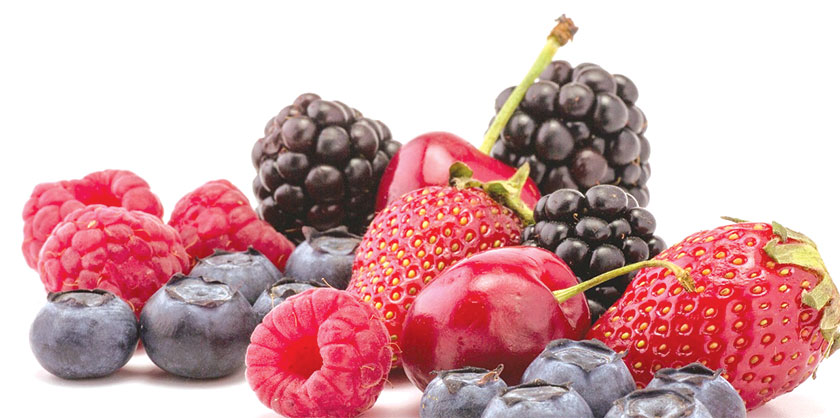
Strawberries - Juicy and versatile; perfect in desserts, salads, or smoothies.
Blueberries - Tiny but mighty, rich in brain-boosting anthocyanins.
Raspberries - Delicate and slightly tart; great for jams or fresh snacking.
Blackberries - Bold, earthy flavour; often found growing wild in many regions.
Wild and lesser-known berries
Elderberries - Known for immune support, but must be cooked (raw ones are toxic!).
Goji berries - A trendy superfood, typically dried and added to trail mixes or teas.
Lingonberries -Tart red berries popular in Scandinavian jams and savoury sauces.
Mulberries - Sweet and juicy; often found in parks and along urban trails - if you can beat the birds to them!
A word of caution
Some berries, such as deadly nightshade (belladonna) and pokeweed, may look tempting but are highly poisonous. Always confirm the identity of any wild berry before consuming it - never eat anything you're unsure about.
Foraging is a fun, rewarding way to connect with nature, but safety must come first. Here’s how to get started:
Safety first
Use a reliable guidebook or app
Tools like iNaturalist or PictureThis can help with accurate identification.
Follow the rule of threes
Never eat a berry unless you're 100 percent sure of its identity, edibility, and cleanliness.
Avoid roadside berries
They may be exposed to vehicle emissions, pesticides, or other pollutants.

Sustainable foraging tips
Take only what you need: Leave enough for wildlife and for the plant to reproduce.
Pick gently: Avoid damaging the plant. For delicate berries, use scissors or snip carefully by hand.
Know the season: For example, blueberries peak in summer, while cranberries ripen in autumn.
Growing your own berries
No forest nearby? No problem! Many berries can thrive in backyards, balconies, patios - or even indoors with the right care.
Easy berries to grow
Strawberries - Perfect for containers, window boxes, or hanging baskets. They grow quickly and are great for beginners.
Raspberries - Thrive in raised beds or garden plots. Some varieties even produce fruit twice a year!
Blueberries - Require acidic soil and plenty of sun, but reward you with abundant harvests year after year.
Goji Berries - Hardy and drought-resistant, these super berries grow well in pots and small garden spaces.
With just a bit of effort and the right setup, you can enjoy homegrown berries fresh from your own garden - no matter where you live.
Simple steps to start
Choose the right variety. Some berries, like blueberries, prefer cooler climates, while others, such as goji berries, thrive in heat. Pick a type suited to your local conditions.
Plant in well-draining soil with plenty of sunlight. Most berries need at least six to eight hours of sunlight per day and soil that doesn’t retain excess water.
Water regularly, but don’t overdo it. Keep the soil moist, not soggy. Overwatering can lead to root rot.
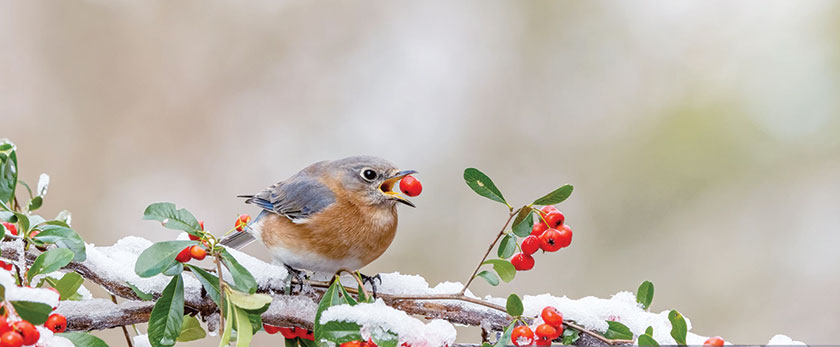
Protect from birds is necessary. If feathered visitors get too interested in your berries, cover plants with netting to keep your harvest safe
Beyond jam and smoothies
Berries aren’t just for desserts - they can add flavour, colour, and nutrition to a variety of savoury dishes, drinks, and even beauty treatments. For a refreshing twist, try adding strawberries or blackberries to your water bottle for naturally flavoured berry-infused water. In the kitchen, berries can elevate savoury meals - think cranberry relish served with roast meat or a tangy blueberry balsamic glaze drizzled over grilled chicken or vegetables. Their sweet-tart balance makes berries a surprisingly versatile ingredient in both everyday cooking and creative culinary experiments.
From lab to table
Scientists and food innovators are discovering exciting new uses for berries, far beyond the fruit bowl. Natural food dyes made from strawberries are replacing synthetic or insect-derived colourings, offering a beetle-free red hue for everything from icing to sweets. In skincare, antioxidant-rich berry extracts are being harnessed for serums and creams that nourish and protect the skin. Meanwhile, agricultural researchers are developing climate-resistant berry hybrids that can thrive in drought-prone regions, ensuring a more sustainable future for berry cultivation.
Why berries
Berries are more than just tasty snacks - they’re a vibrant link between nature, nutrition, and creativity. Whether you forage them in the wild, grow them on your balcony, or simply enjoy them in a meal, berries offer a delicious way to enhance health and reconnect with the environment. So next time you pass a berry bush, take a closer look: it might just lead you to your new favourite superfood.
Ready to go berry wild?