In an increasingly industrialized and urbanized world, noise has become an inescapable part of daily life....

COVER STORY
In an increasingly industrialized and urbanized world, noise has become an inescapable part of daily life. From the blaring horns of vehicles on congested roads to the deafening roar of aircraft overhead, noise pollution has emerged as a major global environmental issue. Unlike other forms of pollution that are visible or tangible, noise pollution often goes unnoticed or underestimated, despite its significant impact on human health, wildlife, and overall quality of life.
Noise pollution, also referred to as environmental noise or sound pollution, is defined as the presence of excessive or disturbing sounds in the environment that disrupt normal activities or pose risks to human and animal health. It is typically caused by industrial activities, transportation systems (such as cars, trains, and airplanes), construction work, and even household appliances when used in high volumes.
The World Health Organization (WHO) defines noise pollution as an invisible danger that is present everywhere, affecting both developed and developing countries. While noise is a natural part of life, its artificial amplification and constant presence have made it a serious issue in urban and even some rural settings.
There are several key areas that lead to noise pollution around us.
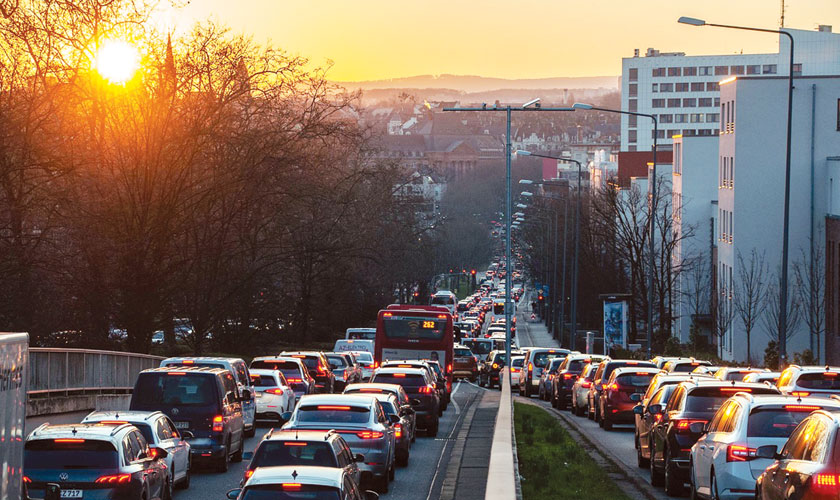
Transportation is the largest contributor to noise pollution worldwide. Road traffic noise, in particular, is the most pervasive and persistent source in urban areas. Aircraft and railway noises also contribute significantly, especially in cities with major transportation hubs.
Industrial and construction activities can also be loud. Factories, manufacturing plants, and construction sites often use heavy machinery that produces high decibel levels. Construction of buildings, roads, and bridges typically involves continuous noise over extended periods, affecting nearby residents and workers.
Urbanization is another factor. As cities grow and populations increase, so does the intensity of urban noise. Crowded markets, entertainment venues, and high-density residential areas contribute to elevated ambient noise levels. Add to that social and domestic noises and things get even worse. Loudspeakers during public events, noisy home appliances, and even human activities like shouting, music, and gatherings can add to local noise pollution.
While noise pollution may seem like a localized issue, its repercussions are global. Urban centres across continents face similar challenges, making it a shared environmental concern.
* Human health: Numerous studies have shown that long-term exposure to high levels of noise can lead to a range of health problems. These include hearing loss, sleep disturbances, increased stress levels, high blood pressure, cardiovascular diseases, and impaired cognitive function in children. The WHO reports that at least one million healthy life years are lost annually in Western Europe alone due to traffic-related noise.
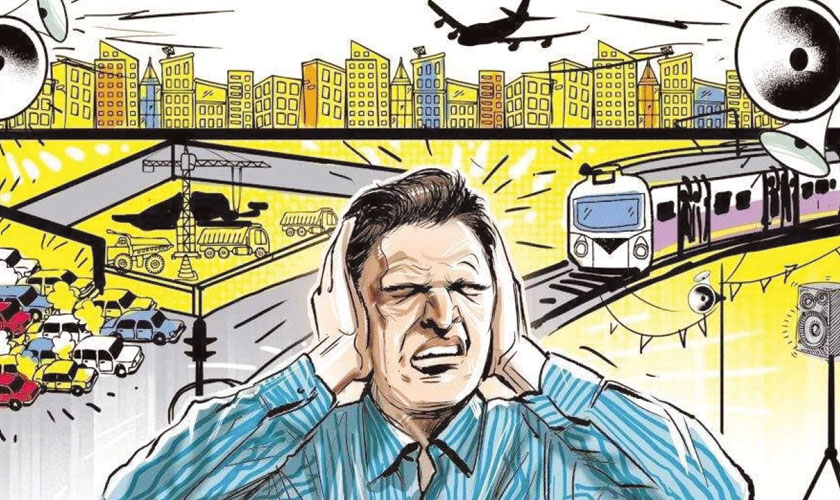
* Mental well-being: Chronic exposure to noise can have a significant impact on mental health. It can lead to anxiety, depression, and a general decrease in quality of life. Noise-related sleep disturbances, in particular, affect emotional regulation and productivity.
* Impact on wildlife: Animals rely on sound for communication, navigation, mating, and detecting predators. Noise pollution interferes with these natural behaviours, often leading to disorientation, changes in migration patterns, and even population declines. Marine life, especially, suffers due to sonar and shipping noises, which can disrupt entire ecosystems.
* Economic consequences: Noise pollution also has financial implications. It can reduce property values, increase healthcare costs due to related illnesses, and lead to decreased productivity. Mitigating noise pollution requires investment in infrastructure, technology, and policy implementation, placing an economic burden on governments and communities.
Recognizing the severity of noise pollution, several countries and international bodies have taken steps to address it. Many governments have introduced regulation and legislation, such as noise standards and zoning laws that limit permissible sound levels in residential and commercial areas. In the European Union, the Environmental Noise Directive (END) aims to assess and manage environmental noise through strategic noise mapping and action plans.
An increasing level of attention is also being paid towards urban planning and design, as smart urban planning can help mitigate noise pollution. This includes creating green spaces, noise barriers, and buffer zones between residential and industrial areas. The use of quieter road surfaces and promoting public transportation also plays a role.
Technological innovations and advancements have led to quieter machinery, electric vehicles, and soundproofing materials for buildings. Noise-monitoring systems are also being used in cities to collect data and enforce regulations more effectively.
Raising public awareness, educating the public about the health impacts of noise, and promoting responsible behaviour can also make a significant difference. Campaigns encouraging the use of headphones at low volume, limiting the use of car horns, and reducing noise during public events have been effective in many regions.

Challenges ahead
Despite global efforts, there are significant challenges in addressing noise pollution. One of the main obstacles is the lack of comprehensive data and monitoring in many countries. While high-income nations may have noise-monitoring systems and regulations, low- and middle-income countries often lack the infrastructure or political will to prioritize the issue.
Moreover, with the rapid pace of urbanization and increasing demand for transportation and industrial output, noise pollution is likely to grow if not proactively managed. Balancing economic growth with environmental sustainability remains a difficult but essential goal.

A call to action
Tackling noise pollution requires a multi-faceted and collaborative approach. Governments must enforce regulations, industries should adopt quieter technologies, and individuals need to take responsibility for their noise footprint. Institutions like the United Nations and the WHO can facilitate cooperation and provide guidelines, but localized action is key to meaningful change.
Community involvement is also crucial. Residents can form local noise-watch groups, report violations, and advocate for better urban design. Schools and universities can incorporate noise awareness into environmental education. Even small actions – like planting trees, which act as natural sound barriers – can collectively reduce ambient noise levels.
Noise pollution is more than just a nuisance – it is a serious environmental and public health issue that affects millions globally. As our world grows louder, the need for quiet, healthy spaces becomes increasingly vital. Recognizing noise as a pollutant, implementing effective controls, and promoting awareness are essential steps toward a more peaceful and sustainable future.
The time to act is now. Silence may be golden, but in today’s noisy world, it is also essential.