For over two thousand years, paper has been the foundation of human communication, education, and creativity....
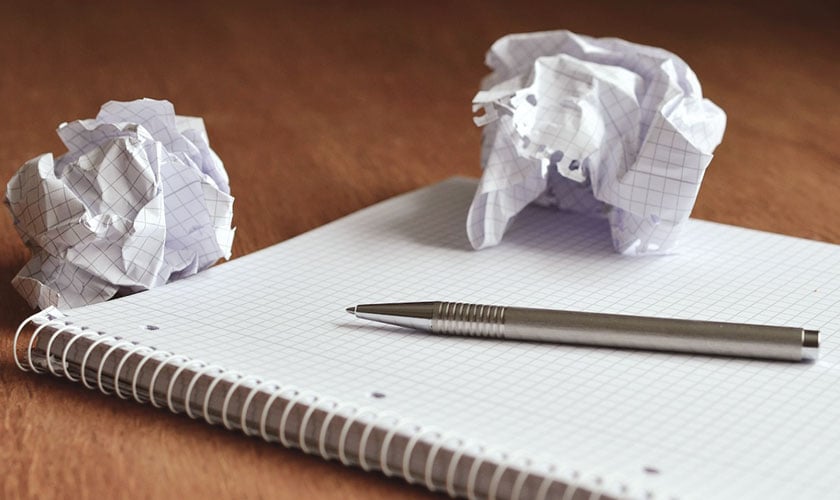
THINK PAD
For over two thousand years, paper has been the foundation of human communication, education, and creativity. From ancient scrolls to modern notebooks, it has shaped civilizations, preserved knowledge, and fuelled revolutions. But now, we stand at a turning point – experts predict that the 21st century will be the last in which paper plays a dominant role in our lives.
The digital revolution is transforming how we read, write, and store information. E-books, tablets, cloud storage, and AI powered tools are rapidly replacing traditional paper-based systems. Schools are adopting digital textbooks, offices are going paperless, and even personal journals are migrating to apps. The question is no longer if paper will fade into obsolescence but when.
In this article, we explore why paper’s days are numbered, what the future holds, and how young people – the last generation to grow up with widespread paper use – will navigate this historic shift.
A brief history of paper
Paper was invented in China around 105 AD, revolutionizing record keeping and literature. By the 8th century, it spread to the Islamic world, and by the 12th century, Europe. The invention of the printing press in the 15th century made books accessible to the masses, fuelling the Renaissance and the Scientific Revolution.
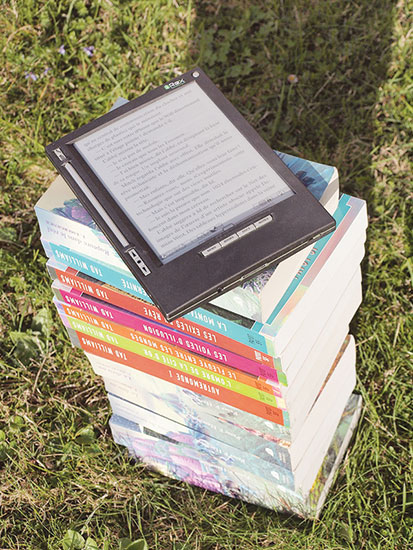
For centuries, paper was indispensable. But in the late 20th century, computers began changing everything. Email replaced letters, digital documents replaced filing cabinets, and e-readers threatened bookstores.
Several other key factors have also been influencing paper’s decline. Environmental issues and concerns about deforestation and carbon emissions from paper production are pushing companies and governments to seek sustainable alternatives. Cost and convenience have been influencing the switch to digital, since digital storage is cheaper and more efficient than physical archives. And technological advancements – smartphones, tablets, and e-ink displays – have led to devices that are now replicating, and often improving upon, the paper experience. A generational shift has also played a role – the younger generations prefer digital workflows, from note-taking apps to online collaboration tools.
The impact of paper’s decline
The digital takeover has had an impact on all walks of life, from education to work.
Schools worldwide are ditching heavy backpacks for lightweight tablets. Countries like South Korea and Sweden have implemented nationwide digital education programs. Even exams are moving online. I, myself, haven’t used a physical textbook in three years; everything is on my laptop – notes, assignments, even library books.
Companies are embracing the paperless office. Workplaces once buried in paperwork now rely on cloud storage and digital signatures. Remote work has accelerated this shift – why print when you can collaborate in real-time on Google Docs or Notion?
The publishing industry and print media have faced a significant decline in recent decades. Newspapers and magazines are struggling as readers move to digital platforms. Many iconic publications now exist primarily online. Even books are changing – self-publishing through Kindle has made physical printing optional for many authors.
For those who grew up surrounded by paper, the changing landscape has also created an emotional impact. Despite digital convenience, many still love the tactile feel of paper. The smell of a new book, the satisfaction of writing by hand – these experiences are hard to replicate. Old-school bookworms and bibliophiles will tell you that there’s something magical about holding a physical book in your hands and flipping through its pages. But it’s hard not to recognize that digital is the future.
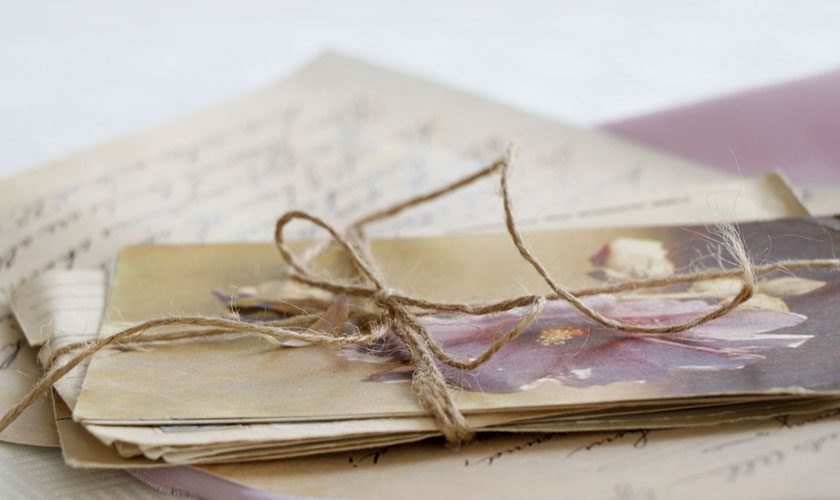
What comes next
Will paper become a luxury? Some predict paper will become a niche product like vinyl records, valued for its artistry rather than utility. Handmade journals, limited-edition books, and calligraphy may survive as luxury items.
The future of reading and writing is likely to be overwhelmingly digital. You can look forward to devices with foldable screens that mimic paper’s flexibility; augmented reality (AR) notes with virtual sticky notes and annotations in real-world spaces; and AI-assisted writing tools, like ChatGPT, instead of traditional notebooks.
But the overwhelming reliance on gadgets could create a digital divide as not everyone has access to technology. Plus there are likely to be privacy concerns - digital data is vulnerable to hacking – as well as eye strain and screen fatigue – there’s a reason many still prefer paper for deep reading.
Ultimately, paper’s decline is inevitable, but its legacy is eternal, and it is up to us to embrace change while honouring the past. As the last generation to grow up with widespread paper use, today’s youth will bridge the gap between analogue and digital. The challenge is to preserve the best of paper – its simplicity, tangibility, and history – while embracing the efficiency and innovation of the digital age.
One thing is certain: the 21st century will be remembered as the last great era of paper. How we adapt will define the future of knowledge itself.
So, what do you think? Are you ready for a paperless world, or will you miss the feel of a real book?