After five months of blackout, India to 'restore' internet in occupied Kashmir
Only 301 government-approved websites that include international news publications and platforms such as Netflix and Amazon will be available to the residents of the occupied valley
SRINAGAR: Internet services are likely to be partly restored in Indian occupied Kashmir from Saturday, ending a five-and-a half-month government-imposed blackout in the disputed valley, but social media will stay offline, local authorities said.
Prime Minister Narendra Modi's government imposed a communications blackout in early August when it stripped the portion of Kashmir it controls — the country's only Muslim-majority region — of its partial autonomy.
India also imposed a curfew, sent in tens of thousands of extra troops and detained dozens of Kashmiri political leaders and others, many of whom remain in detention, drawing criticism abroad.
Internet access will be restored later Saturday but only to 301 government-approved websites that include international news publications and platforms such as Netflix and Amazon.
"Access shall be limited only to the whitelisted sites and not to any social media applications," the Jammu and Kashmir home department said in a notification.
Mobile phone data access will also be restored, but limited to slower second-generation (2G) connections, the department added.
India is the world leader in cutting internet services, activists say, and access was also temporarily suspended in other parts of the country during recent protests against a new citizenship law.
Since August freedom of movement in heavily-militarised occupied territory has been gradually restored as has cellphone coverage, but apart from at a handful of locations there has been no regular internet access.
This made life even harder for the region's seven million inhabitants and hit the local economy hard.
Modi's government said that the blackout was for security reasons, aimed at restricting the ability of armed militants to communicate.
The Indian Supreme Court however criticised the government earlier this month for the move, calling it an "arbitrary exercise of power".
The court also stated that having access to the internet "is integral to an individual's right to freedom of speech and expression".


-
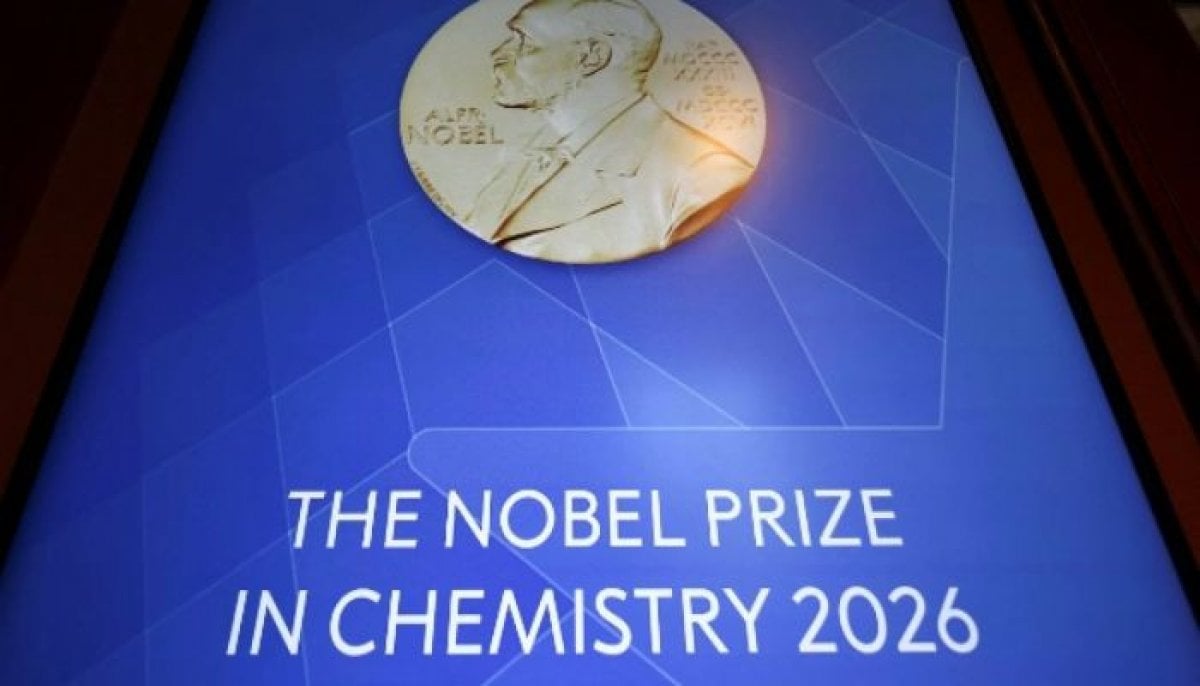 Henri B. Kagan, Kenso Soai win 2026 Nobel Prize in Chemistry
 -
 EU ambassadors approve new sanctions package against Russia: Report
 -
 Poland pushes EU toward complete cutoff of Russian energy amid security threats
 -
 Trump-Putin call planned ‘very soon’ as Russia reports pneumonic plague-related death
 -
 Chris Alexander exits Toronto mayor race as Chow, Bradford lead polls
 -
 Nancy Guthrie update: Sheriff's Department sets record straight on Luke Daley's arrest
 -
 Jim Bakker, famed televangelist who later went to prison, dies at 86
 -
 Australia bracing for hazardous summer amid ‘super El Niño’, Albanese says