
Mandatory neck guards ´not far away´ after Smith felled by Archer
Compulsory neck guards on helmets for Australian cricketers are "not far away", the national team´s sports medicine chief said Monday after a sickening blow felled Steve Smith during the second Ashes Test
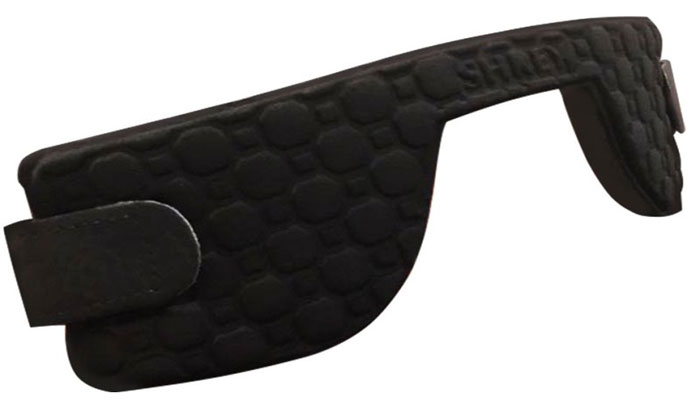
SYDNEY: Compulsory neck guards on helmets for Australian cricketers are "not far away", the national team´s sports medicine chief said Monday after a sickening blow felled Steve Smith during the second Ashes Test.
Australia have been at the forefront of pressing for better safety measures after the death of Phillip Hughes, who was hit on the base of the skull by a bouncer in a Sheffield Shield game in 2014.
Following an independent investigation into the tragedy, Cricket Australia introduced new rules for concussion substitutes in domestic games.
These have now been adopted by the International Cricket Council and were used for the first time when Smith was replaced by Marnus Labuschagne on Sunday against England at Lord´s after medics ruled him unfit to carry on.

The inquest into Hughes´ death also recommended first-class players in Australia wear helmets made to British safety standards while batting against medium pace or fast bowling.
That included the use of specially designed neck guards, known as StemGuards.
But they are not compulsory and Smith, who collapsed to the ground face first after the vicious ball from Jofra Archer smacked into the side of his neck, in scenes reminiscent of the Hughes incident, was not wearing a neck guard.
He said afterwards they made him claustrophobic and uncomfortable.
Cricket Australia´s sports science and sports medicine chief Alex Kountouris said it was only a matter of time before they became mandatory, revealing the International Cricket Council, Cricket Australia, the England and Wales Cricket Board, and helmet manufacturers recently completed a major review.
"Helmet manufacturers did the right thing and came out with products (after Hughes´ death). There was no real knowledge of the mechanism, what exactly they were trying to protect or stuff like that," Kountouris told the Sydney Morning Herald.
"But since that time we have done a lot of research. We actually have a pretty good understanding of that now. Beforehand, we didn´t know the right equipment we were endorsing."
Now there was agreement on what the standard should look like, including the size and area that needs to be covered and the force properties it should have.
Kountouris said it would take about six months for manufacturers to complete the upgraded product, which then would be trialled by players.


-
 Breezy Johnson engaged at Olympics after emotional finish line proposal
 -
 Olympics men hockey game: McDavid, Crosby power Canada past Czechia
 -
 Ex-Arsenal footballer Thomas Partey charged with additional rape counts
 -
 Chloe Kim set for historic halfpipe gold showdown at Milano Cortina
 -
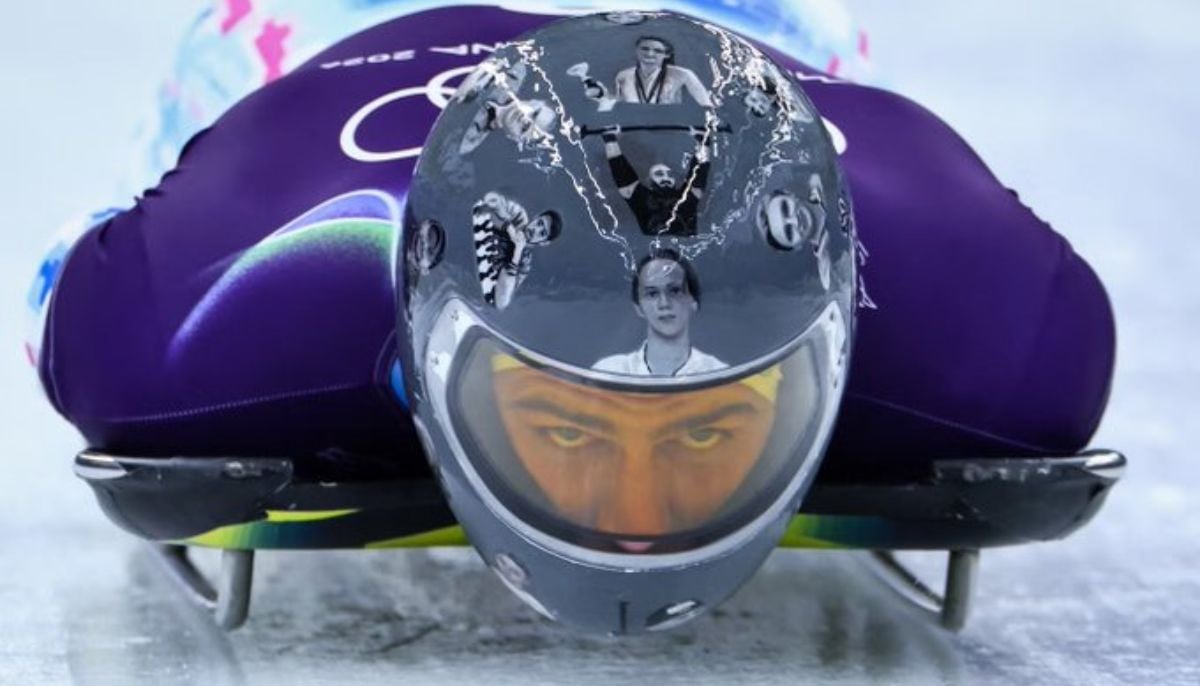 Vladyslav Heraskevych disqualified from Winter Olympics 2026 over helmet controversy
 -
 Thomas Tuchel set for England contract extension through Euro 2028
 -
 Milano-Cortina 2026: Assessing Italy’s Winter Olympics economic growth
 -
 Victor Wembanyama’s historic first half tops Tim Duncan, sparks massive NBA reactions