Scientists unveil 'first' 3D print of heart with human tissue, vessels
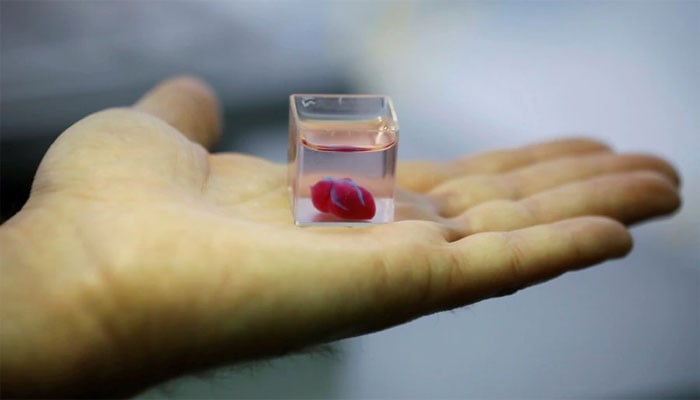
Journalists were shown a 3D print of a heart about the size of a cherry at Tel Aviv University on Monday as the researchers announced their findings, published in the journal Advanced Science.
Tel Aviv: Scientists in Israel unveiled a 3D print of a heart with human tissue and vessels on Monday, calling it a first and a "major medical breakthrough" that advances possibilities for transplants.
The heart, about the size of a rabbit´s, marked "the first time anyone anywhere has successfully engineered and printed an entire heart replete with cells, blood vessels, ventricles and chambers," said Tel Aviv University´s Tal Dvir, who led the project.
"People have managed to 3D-print the structure of a heart in the past, but not with cells or with blood vessels," he said.
But the scientists said many challenges remain before fully working 3D printed hearts will be available for transplant into patients.
Journalists were shown a 3D print of a heart about the size of a cherry at Tel Aviv University on Monday as the researchers announced their findings, published in the journal Advanced Science.
Researchers must now teach the printed hearts "to behave" like real ones. Then they plan to transplant them into animal models, said Dvir.
"Maybe, in 10 years, there will be organ printers in the finest hospitals around the world, and these procedures will be conducted routinely," he said.
But he said hospitals would likely start with simpler organs than hearts.


-
 NASA Artemis II splashdown: What could go wrong on mission’s final stage
 -
 What happens to human body in deep space? NASA Artemis II will find out
 -
 Scientists find Earth’s core may be leaking gold
 -
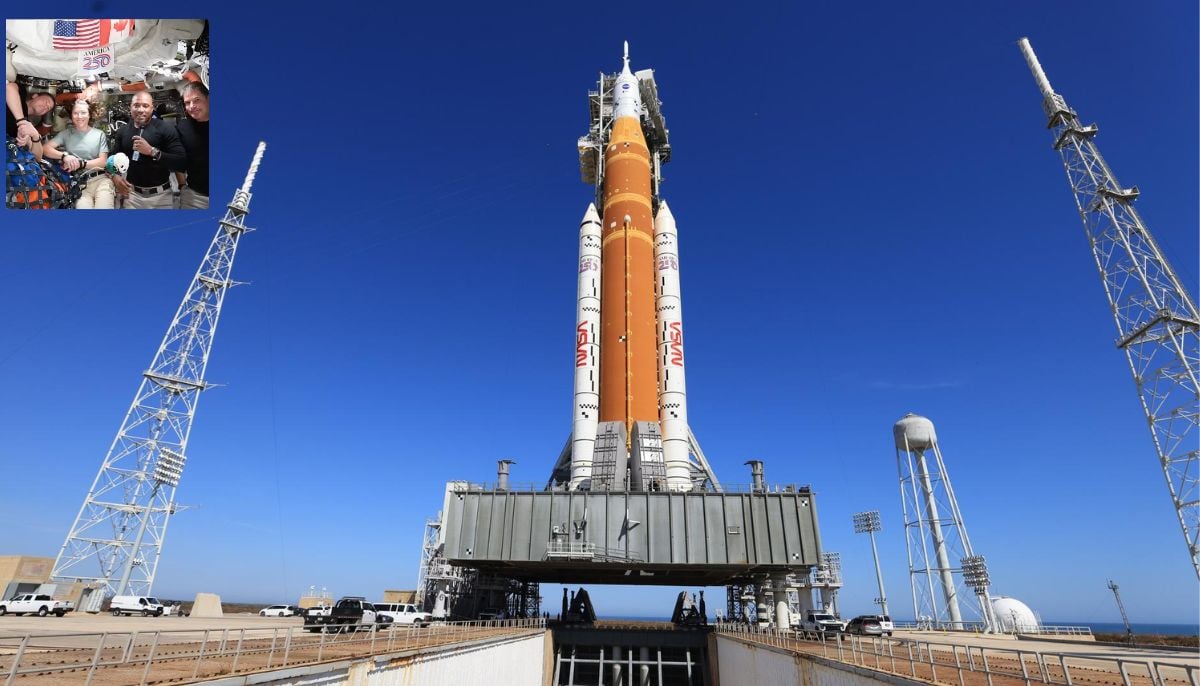 Mission for the ages: Artemis II crew returns after breaking deep-space historic records
 -
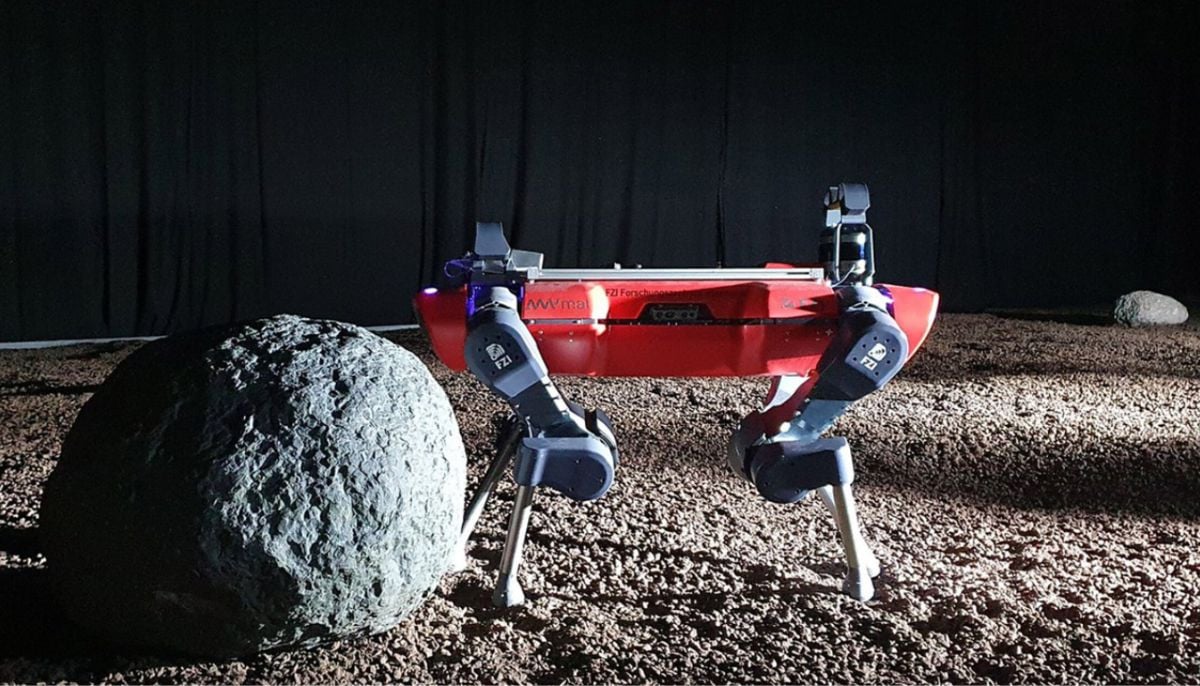 Robot dogs on Mars: Swiss researchers reveal how autonomy speeds up space exploration
 -
 From Apollo to Artemis: How astronauts honor loved ones with lunar names
 -
 Emperor penguins on verge of extinction: ‘A grim story shaped by climate change’
 -
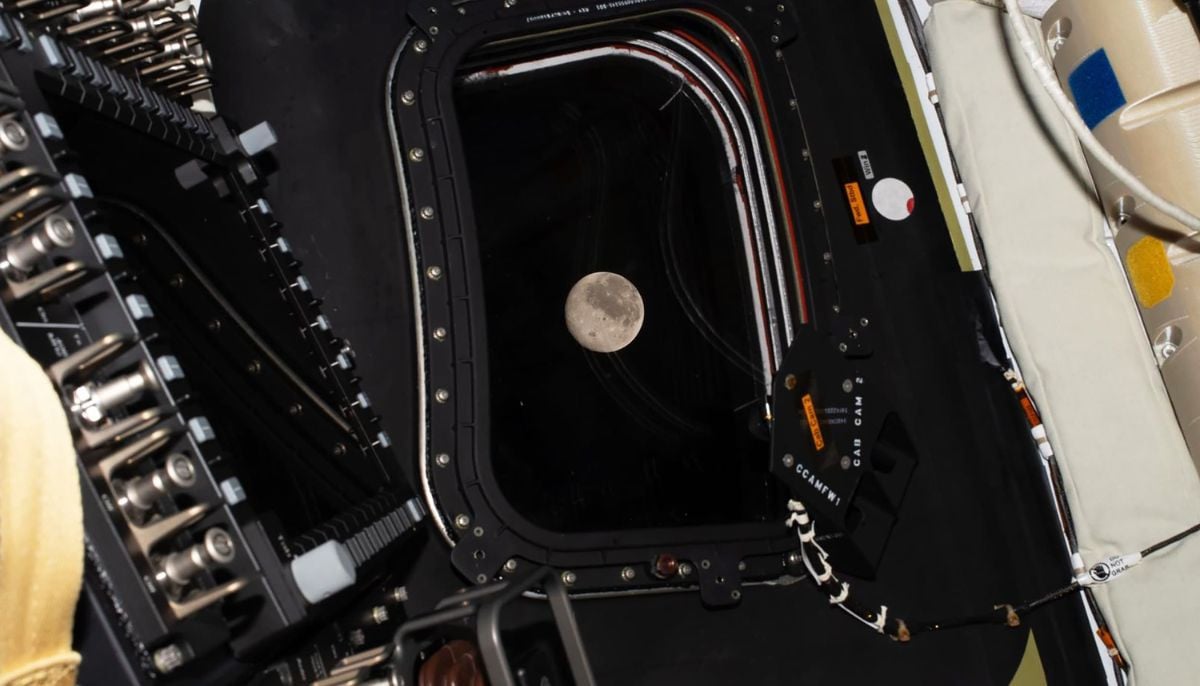 NASA Artemis II crew prepares Earth return after historic Moon mission