From Apollo to Artemis: How astronauts honor loved ones with lunar names
The lunar mission marks a major step toward achieving a significant milestone for human spaceflight
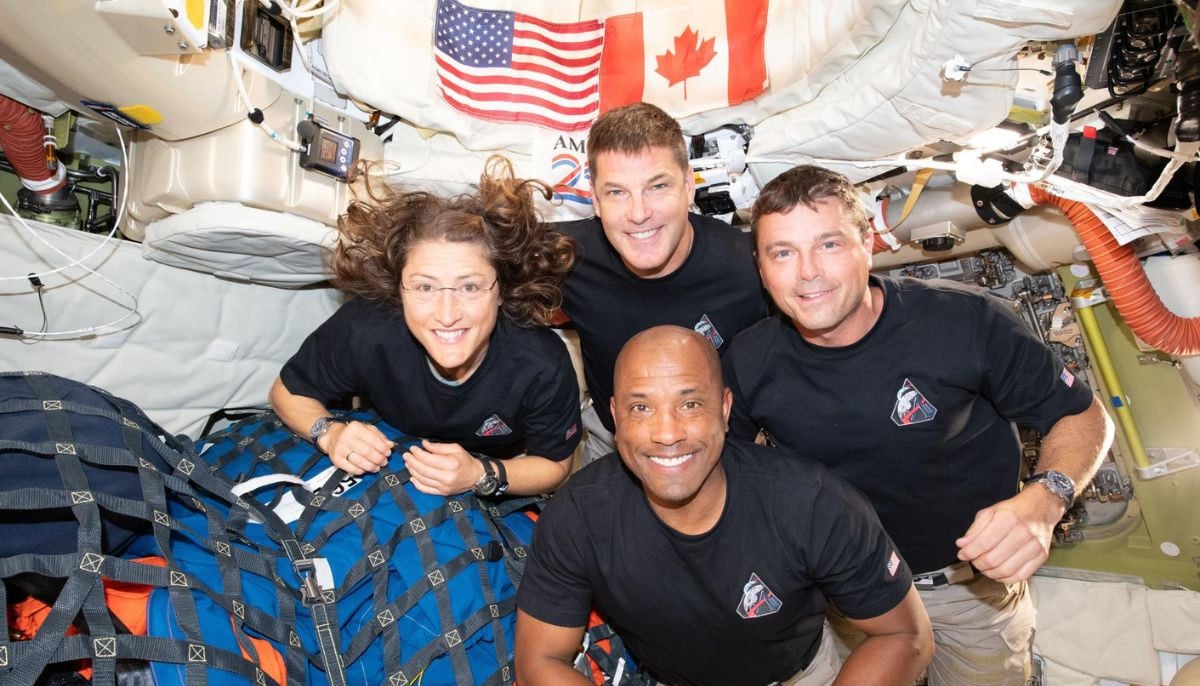
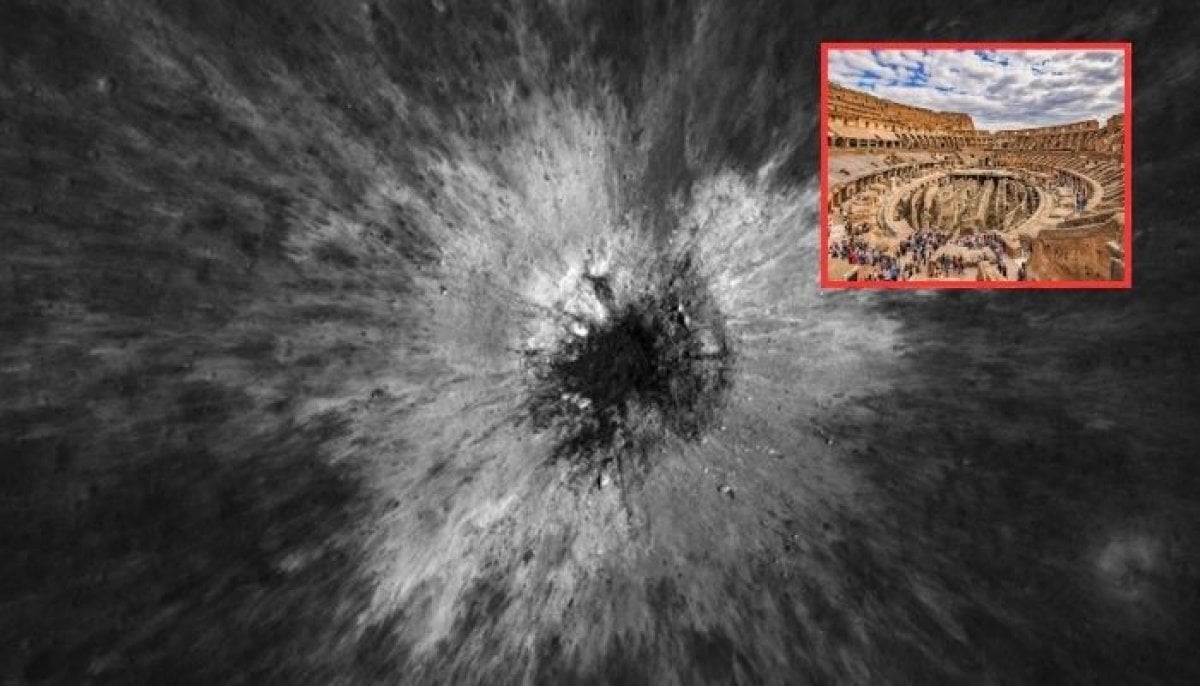
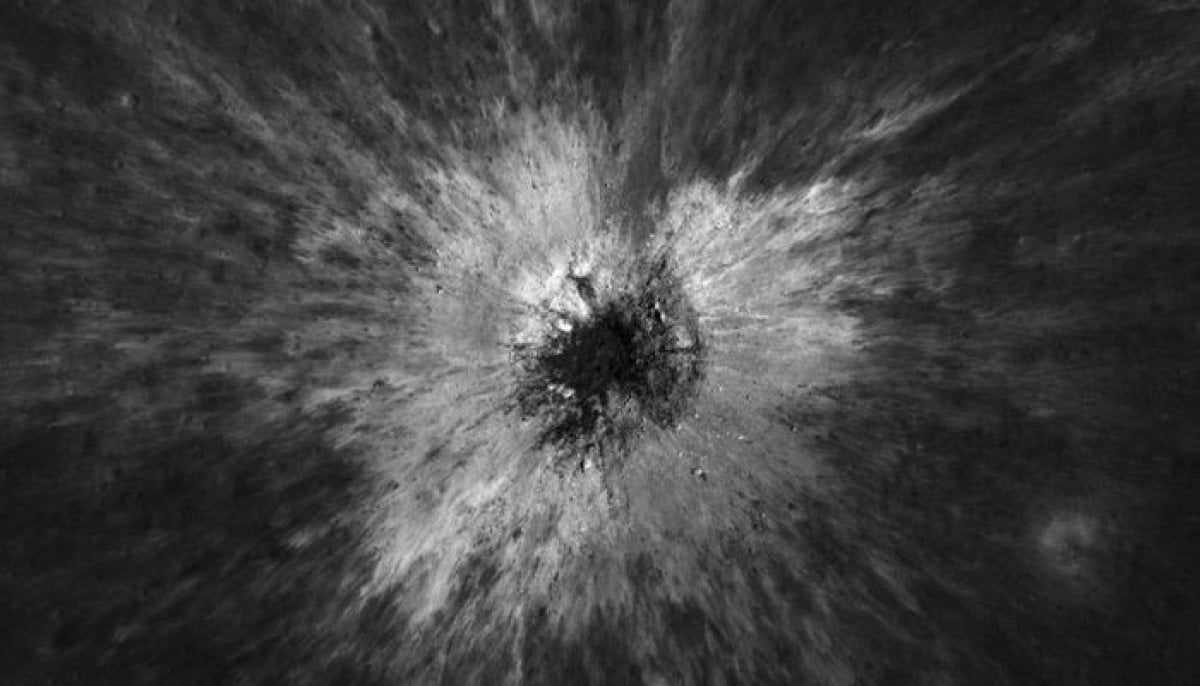
As the Artemis II spacecraft hurtles back toward Earth following its historic lunar fly-around, the four-person crew has made a poignant request: naming two lunar craters to honor both their missions and a deeply personal loss. The lunar mission marks a major step toward achieving a significant milestone for human spaceflight. Commander Reid Wiseman and his crew have proposed naming a small bright crater “Carroll” in honor of Wiseman’s late wife, Carroll Wiseman, a neonatal nurse who passed away from cancer in 2020. A second crater would be named “Integrity, ” after the crew’s Orion capsule.
The request was radioed to Earth by Canadian astronaut Jeremy Hansen on Monday, just as the crew broke Apollo 13’s record for the farthest distance traveled by humans in deep space. Wiseman, overcome with emotion, was unable to speak during the announcement. Meanwhile, the gesture echoes a famous 1968 moment from Apollo 8, when astronaut Jim Lovell unofficially named “Mount Marilyn” after his wife.
While these names are currently provisional, the crew plans to submit them to the International Astronomical Union (IAU) for official recognition upon their return.
NASA lunar scientist Ryan Wakins noted that the moment left Mission Control in tears. “ I think we’re seeing just a more human aspect of spaceflight, "
Watkins said, contrasting the emotional transparency of the Artemis crew with the all-business demeanor of the 1960s Apollo era. The Artemis II mission is currently on its final leg home. After passing within 4,000 miles of the lunar surface, the crew-Reid Wiseman, Victor Glover, Christiana Koch and Jeremy Hansen-is scheduled to splash down in the Pacific Ocean off the coast of San Diego on Friday, April 10, 2026.
“It was definitely a very emotional moment. I don’t think most of us knew it was coming,” NASA lunar scientist Ryan Watkins told The Associated Press on Wednesday from Johnson Space Center in Houston. “There was not a single dry eye.”
The IAU’s Ramasamy Venupogal promised a decision on Carroll and Integrity in about a month following the norm for “straightforward requests.”
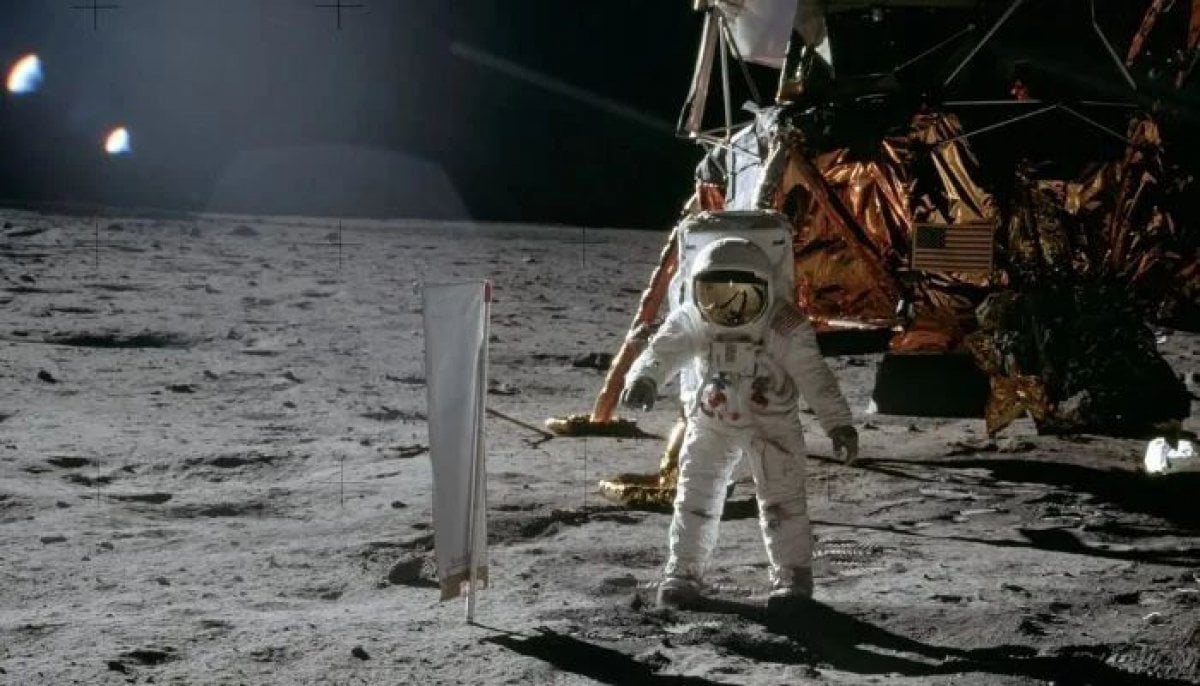
Apollo 17 commander Gene Cernan, the last astronaut to walk on the moon, famously etched his young daughter’s initials into the lunar dust in 1972-a reminder of the personal legacy astronauts leave behind.


-
 New study explains 364-day Qumran calendar puzzle
 -
 Why does time feel faster as you age? Science explains
 -
 Scientists name newly discovered snake after Guns N' Roses' Slash
 -
 SpaceX secures three new NASA crew flights: What to know
 -
 Sovereign AI fund in talks to back Political Sciences: What to know
 -
 What recent discovered Moon Crater Means for Future Astronauts
 -
 Scientists discover new wild cat species in Bolivia for the first time in a century
 -
 SpaceX turns to failed startups for AI training: Here’s why