First IOT-based air quality monitoring gadget installed in Peshawar
The gadget installed at the office of District Nazim Peshawar is designed to detect toxic elements in the air. The machine is also designed to sense the temperature, the humidity present in it and the dust, carbon dioxide levels present in the air as well.
PESHAWAR: The first Internet of things (IOT) based air quality monitoring gadget has been installed in Peshawar.
On Saturday Kamran Khan Bangash, special assistant to Chief Minister Khyber Pakhtunkhwa for Science & Technology and IT made a tweet on his social media account, in which he wrote:
“In order to combat air pollution in the city, the 1st IoT based Air Quality Monitoring Gadget in #KP installed at the office of @Mayor_Peshawar District Nazim Peshawar, designed to detect toxic elements in the air.A novelty step towards a better healthier."
The gadget installed at the office of District Nazim Peshawar is designed to detect toxic elements in the air. The machine is also designed to sense the temperature, the humidity present in it and the dust, carbon dioxide levels present in the air as well.
The device installed at District office Nazim Peshawar office also allows environmentalists to devise pragmatic solutions to effectively cleanse the atmosphere.
The step of installing first IOT-based device in Peshawar is a way to reduce the air pollution from keeping the levels of toxic substances which are present in atmosphere under observation and acts as a way towards better and healthier future for Pakistan.


-
 SpaceX Falcon 9 launches 21 military satellites into orbit
 -
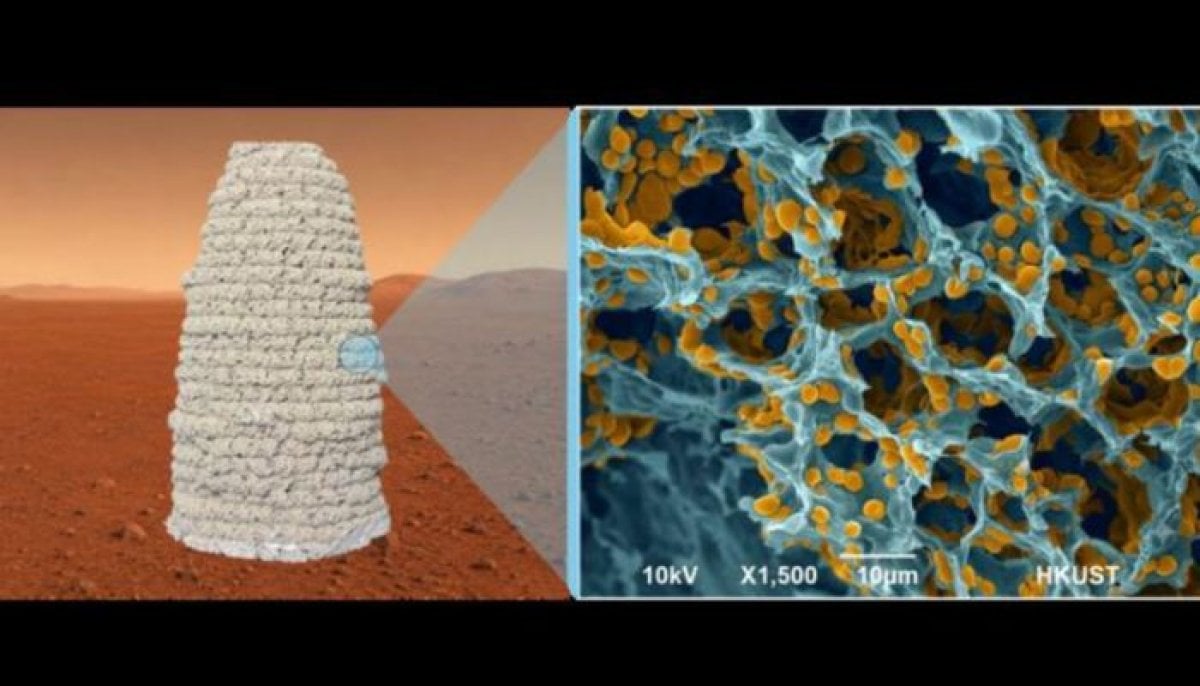 Could a newly engineered microbe help humanity survive on Mars?
 -
 Astronomers find most distant fast radio burst ever recorded
 -
 Draconid meteor shower tonight: Best time and places to see it
 -
 ‘A dream for 50 years’: Why world’s first nuclear clock could change timekeeping
 -
 NASA Curiosity captures strange ‘wind-carved’ Mars landscape in dawn image
 -
 NASA's Crew-12 Dragon begins return trip from space station
 -
 Mysterious ‘phoenix planet’ found around the remains of a dying star