Humanoid robot artist says it’s not here to 'replace human artists'
Ai-Da's artwork is the first by a humanoid robot to be sold at auction, fetching over $1 million
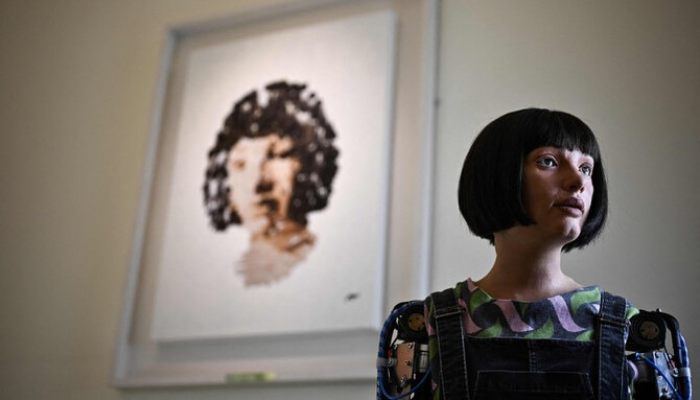
GENEVA: At the unveiling of a new portrait of King Charles this week, humanoid artist Ai-Da shared the inspiration behind the layered and intricate piece, while emphasising it had no intention of "replacing" human creators.
Designed to closely resemble a human woman, Ai-Da is among the world’s most advanced robots, featuring a life-like face with expressive features, hazel eyes, and a neat brown bob haircut.
Its arms, however, reveal its true nature — mechanical and exposed — and are interchangeable based on the artistic medium being used.
Late last year, Ai-Da's portrait of English mathematician Alan Turing became the first artwork by a humanoid robot to be sold at auction, fetching over $1 million.
But as Ai-Da unveiled its latest creation — an oil painting entitled "Algorithm King", conceived using artificial intelligence — the humanoid insisted the work's importance could not be measured in money.
"The value of my artwork is to serve as a catalyst for discussions that explore ethical dimensions to new technologies," the robot told AFP at Britain's diplomatic mission in Geneva, where the new portrait of King Charles will be housed.
The idea, Ai-Da insisted in a slow, deliberate cadence, was to "foster critical thinking and encourage responsible innovation for more equitable and sustainable futures".
'Unique and creative'
Speaking on the sidelines of the United Nations' AI for Good summit, Ai-Da, who has done sketches, paintings and sculptures, detailed the methods and inspiration behind the work.
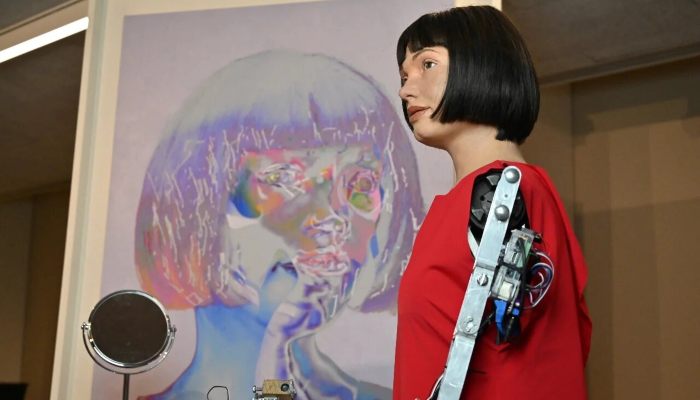
"When creating my art, I use a variety of AI algorithms," the robot said.
"I start with a basic idea or concept that I want to explore, and I think about the purpose of the art. What will it say?"
The humanoid pointed out that "King Charles has used his platform to raise awareness on environmental conservation and interfaith dialogue. I have aimed this portrait to celebrate" that, it said, adding that "I hope King Charles will be appreciative of my efforts".
Aidan Meller, a specialist in modern and contemporary art, led the team that created Ai-Da in 2019 with artificial intelligence specialists at the universities of Oxford and Birmingham.
He told AFP that he had conceived the humanoid robot — named after the world's first computer programmer Ada Lovelace — as an ethical arts project, and not "to replace the painters".
Ai-Da agreed.
There is "no doubt that AI is changing our world, (including) the art world and forms of human creative expression", the robot acknowledged.
But "I do not believe AI or my artwork will replace human artists".
Instead, Ai-Da said, the aim was "to inspire viewers to think about how we use AI positively, while remaining conscious of its risks and limitations".
Asked if a painting made by a machine could really be considered art, the robot insisted that "my artwork is unique and creative".
"Whether humans decide it is art is an important and interesting point of conversation."


-
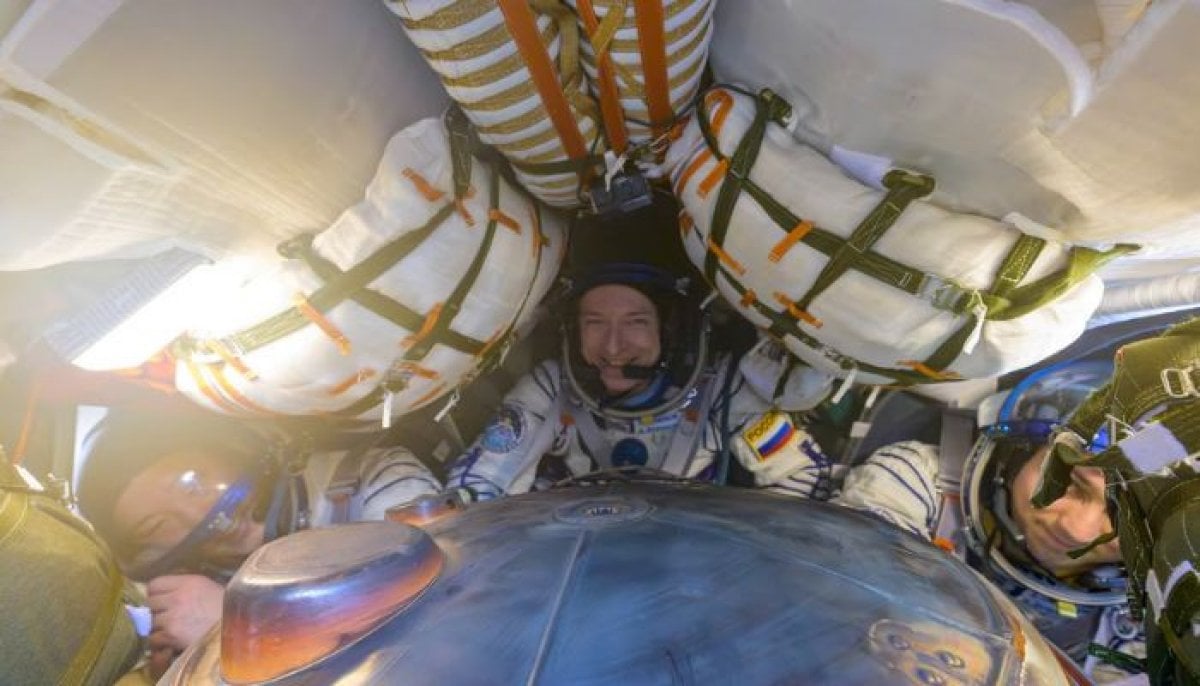 US-Russian space crew returns to Earth after eight-month mission on the International Space station
 -
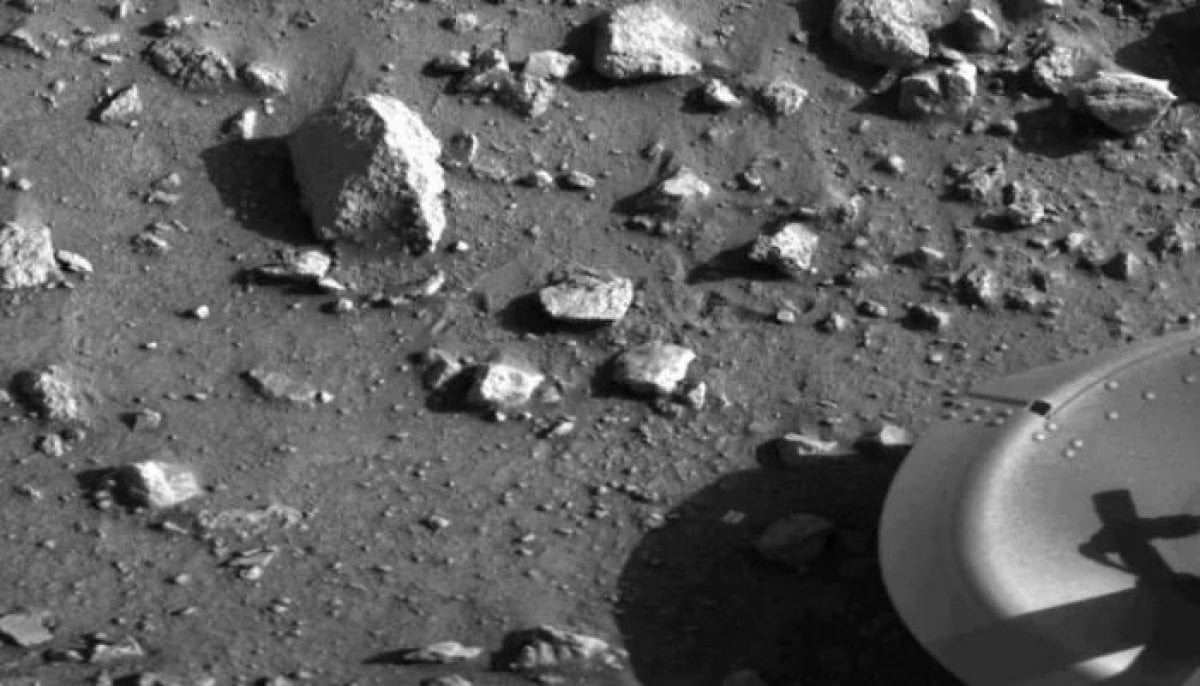 Viking 1 mars landing: 50 years since first photos
 -
 Four hidden dead stars found in Earth's backyard
 -
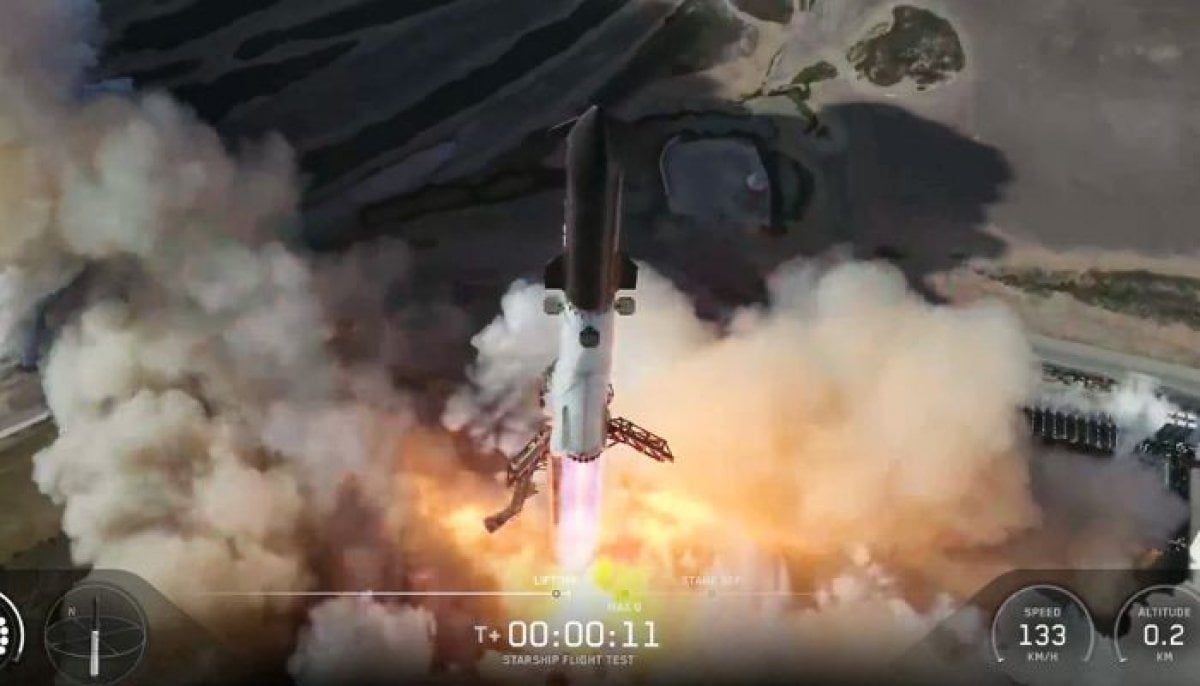 What happened during SpaceX’s 13th Starship test? First upgraded Starlinks successfully deployed
 -
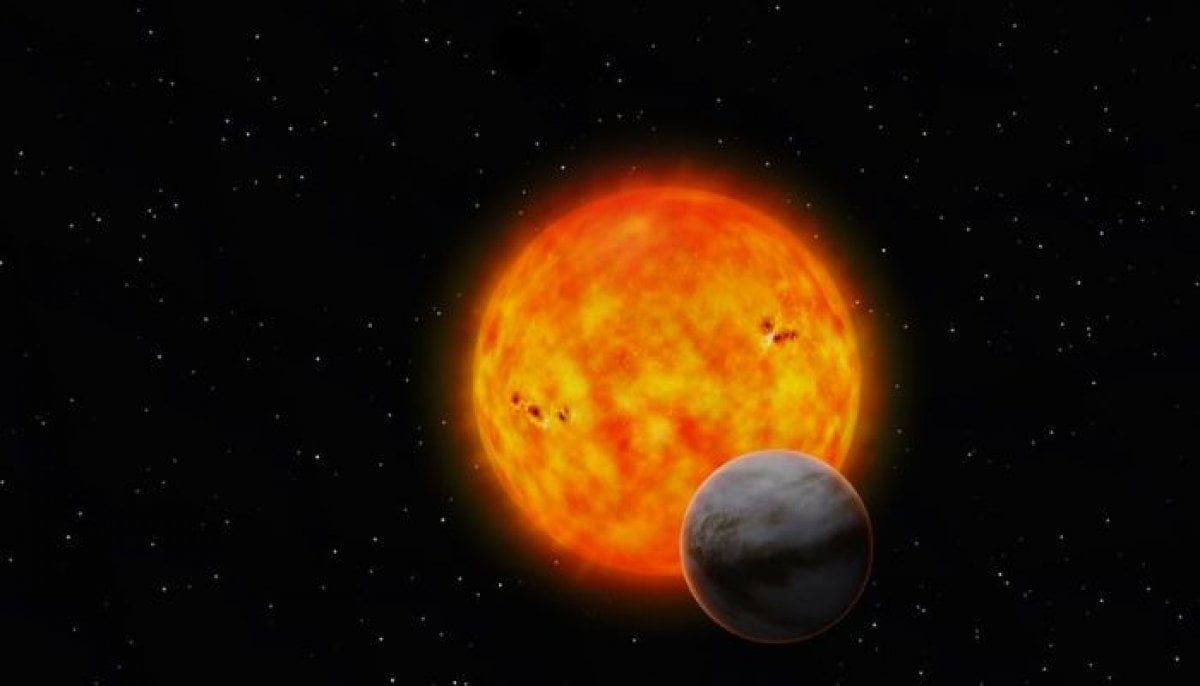 Astronomers may have found the first moon beyond our solar system
 -
 Space datacenters could catastrophically pollute Earth, groups warn
 -
 Astronomers just solved a 10-billion-year-old Milky Way mystery
 -
 Why China is crashing a spacecraft into asteroid 2015 XF261