
Egypt rescues 2,000-year old catacombs from rising water
The Kom al-Shoqafa location, considered by archaeologists to be the largest Greco-Roman burial site in Egypt, has been threatened by water since its discovery in 1900.

Egypt on Sunday announced the completion of a project to save famed 2,000-year old catacombs in the costal city of Alexandria from rising waters.
The Kom al-Shoqafa location, considered by archaeologists to be the largest Greco-Roman burial site in Egypt, has been threatened by water since its discovery in 1900.
The catacombs, which were in use from the first to the fourth century AD, are renowned for funerary architecture blending ancient Egyptian, Greek and Roman art.
The rising water prompted Egypt to launch a massive drainage project supported by the United States Agency for International (USAID) in 2017.
Antiquities Minister Khaled al-Anani told reporters at the site that the programme had helped "end a problem threatening the area for more than 100 years".
Thomas Nichols, an engineer involved in the project, called it "a unique programme where we blended archaeology and civil engineering together".
Egypt has in recent years sought to promote archaeological discoveries across the country in a bid to revive tourism hit by the turmoil that followed its 2011 uprising.



-
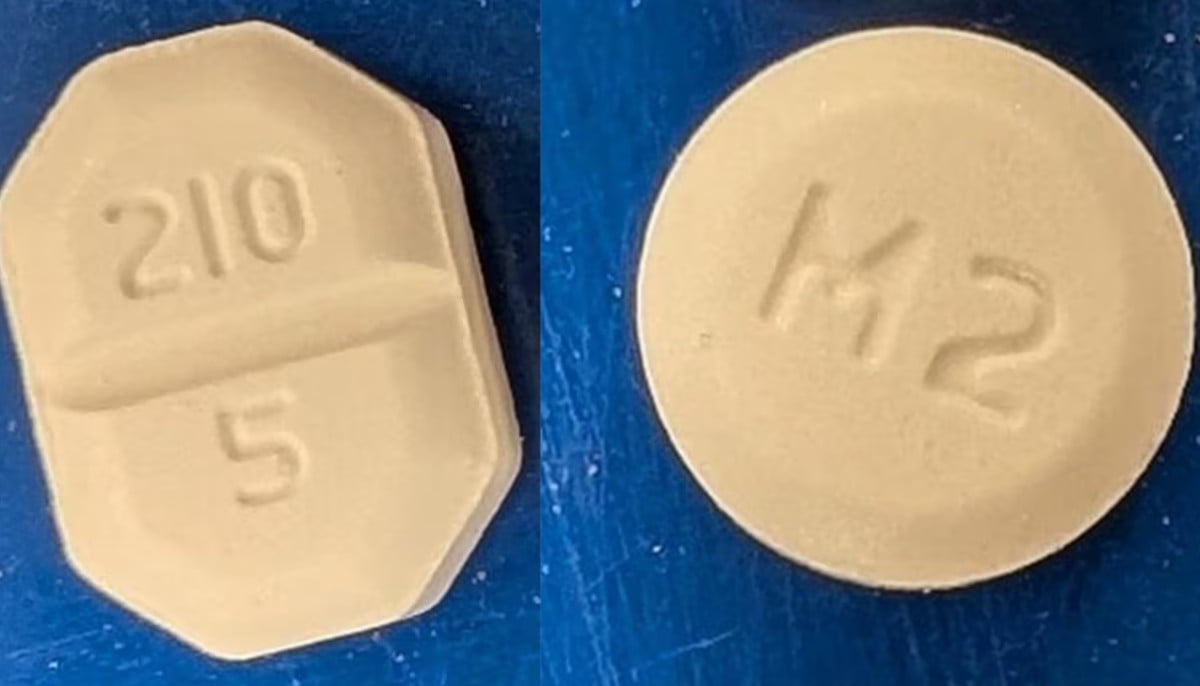 Blood pressure medication recalled after wrong tablets found in bottles
 -
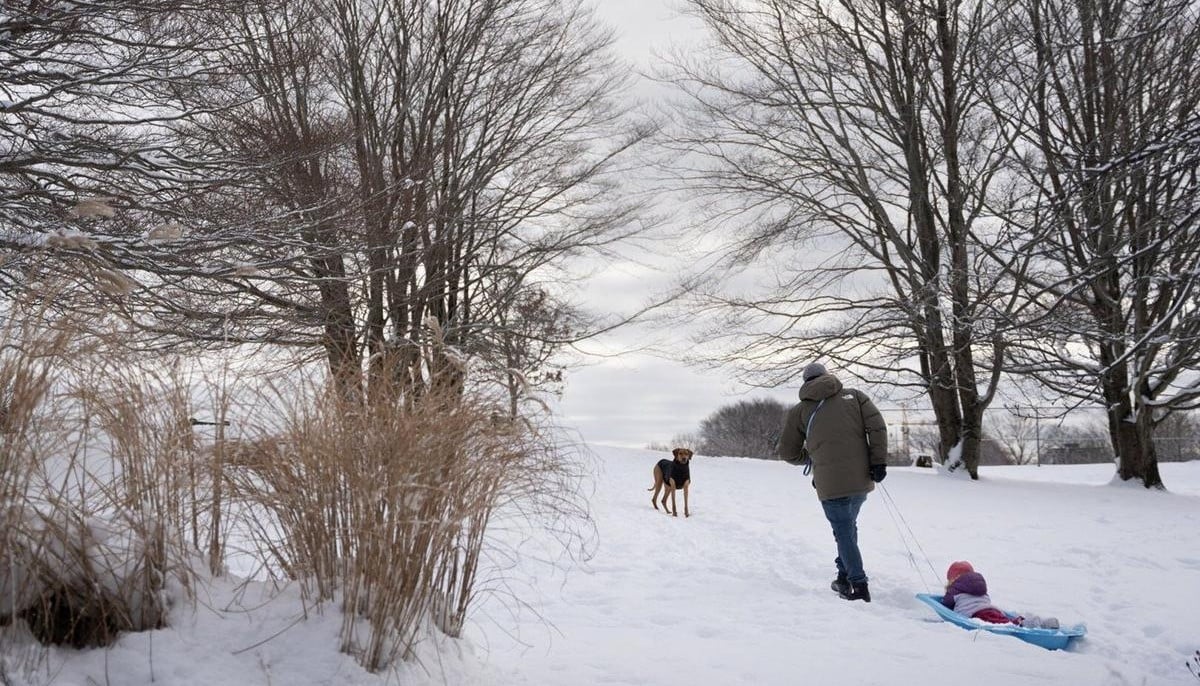 Wind chill returns with brutal cold as polar vortex stalls over Canada
 -
 Costco $20 rule explained as employee pay climbs across North America
 -
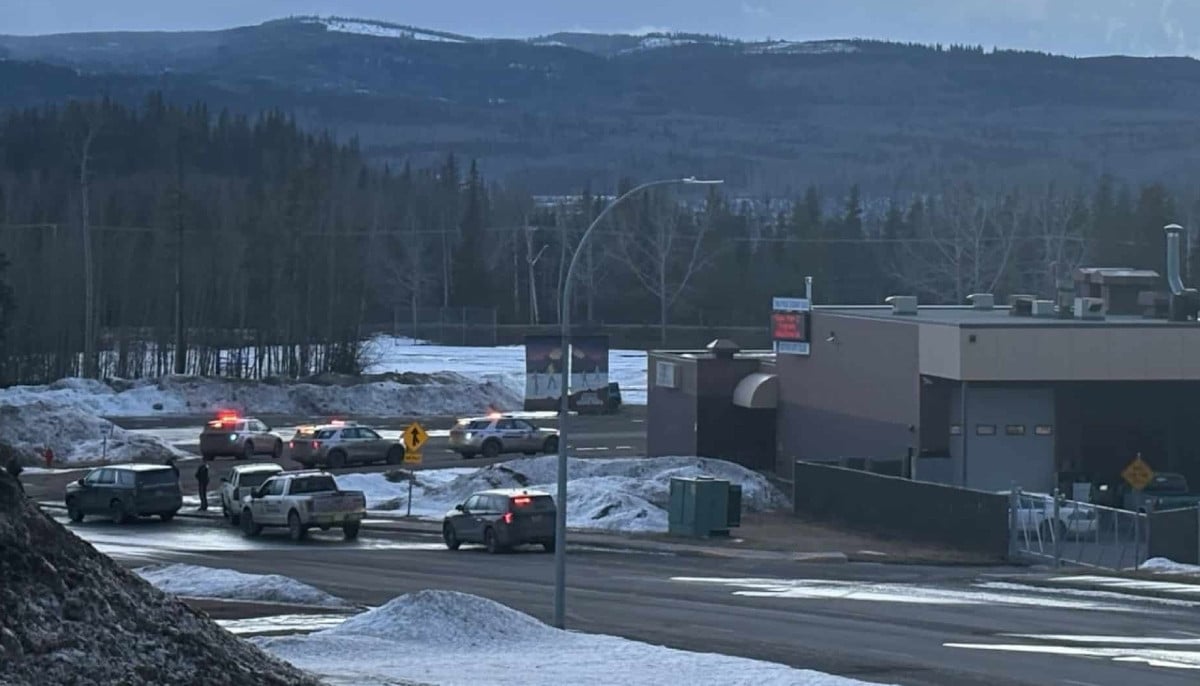 Tumbler Ridge school lockdown underway as RCMP investigate school shooting
 -
 Jaafar Jackson breaks silence on becoming Michael Jackson
 -
 Fugitive crypto scammer jailed for 20 years in $73m global fraud
 -
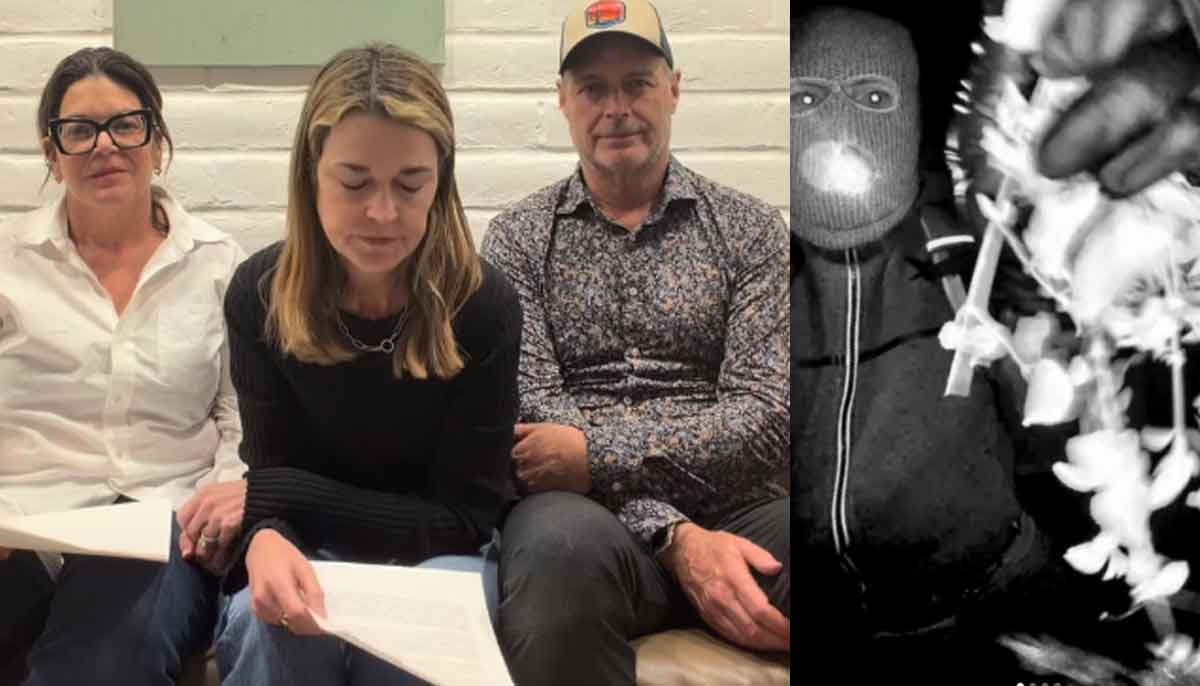 Horrifying pictures of the kidnapper of Savannah Guthrie's mother released
 -
 Schoolgirl eaten alive by pigs after brutal assault by farmworker