Europe launched 8 orbital rockets last year, can it rival Starlink?
CEO Grzegorz Brona says Europe could build thousands of satellites and still depend on US launchers
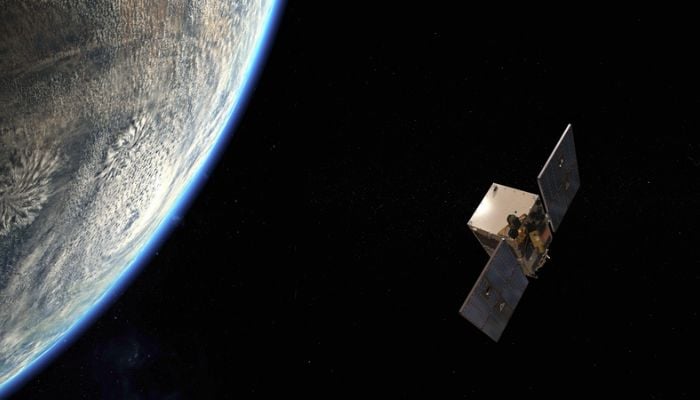
Europe carried out 8 of the world's 324 orbital launches last year. The US managed 193. For Poland's Creotech, that gap, not satellite building, is the real obstacle to a European rival to Starlink.
CEO Grzegorz Brona told Reuters in Sopot on Friday that the company plans a 2029 factory able to build 40 satellites a year of mixed types, or up to 100 of a single model. Its current plant makes about 10.
Creotech will also open its subsidiaries in France and Germany over the coming weeks, and it aims at manufacturing 500-kg satellites by 2032. Brona stated that the revenue for the next year is secure, and he expects to get other contracts within the next six months.
According to Brona, launchers have turned into “a political weapon” in the hands of the Trump administration. Creotech does not manufacture rockets, and Brona claims that “Europe can produce thousands of satellites without any launchers.”
Creotech ensures that no American technology is used in its satellites because if even one American part exists in the satellite, Washington can stop its sale. However, SpaceX put all four satellites manufactured by Creotech for Poland’s MikroGlob military programme into space.
While pointing to the new European rocket programmes, including the German launcher, Brona claims that manufacturing enough rockets will take almost a decade.
The comments came two days after Ukraine said SpaceX had curbed its use of Starshield, the military version of Starlink. Eutelsat, seen as Europe's leading Starlink challenger, jumped 23% on Wednesday and ended the week 28% higher.
Starlink alone accounts for more than 60% of active satellites, according to European Space Agency data.


-
 Japan launches world’s first mission to bring sample back from phobos
-
 Orionid meteor shower 2026: Peak date, viewing tips and what to expect
-
 Why Mars looks blue in NASA’s unedited curiosity panorama?
-
 Blue Origin upgrades new Glenn rocket launch infrastructure to take on SpaceX
-
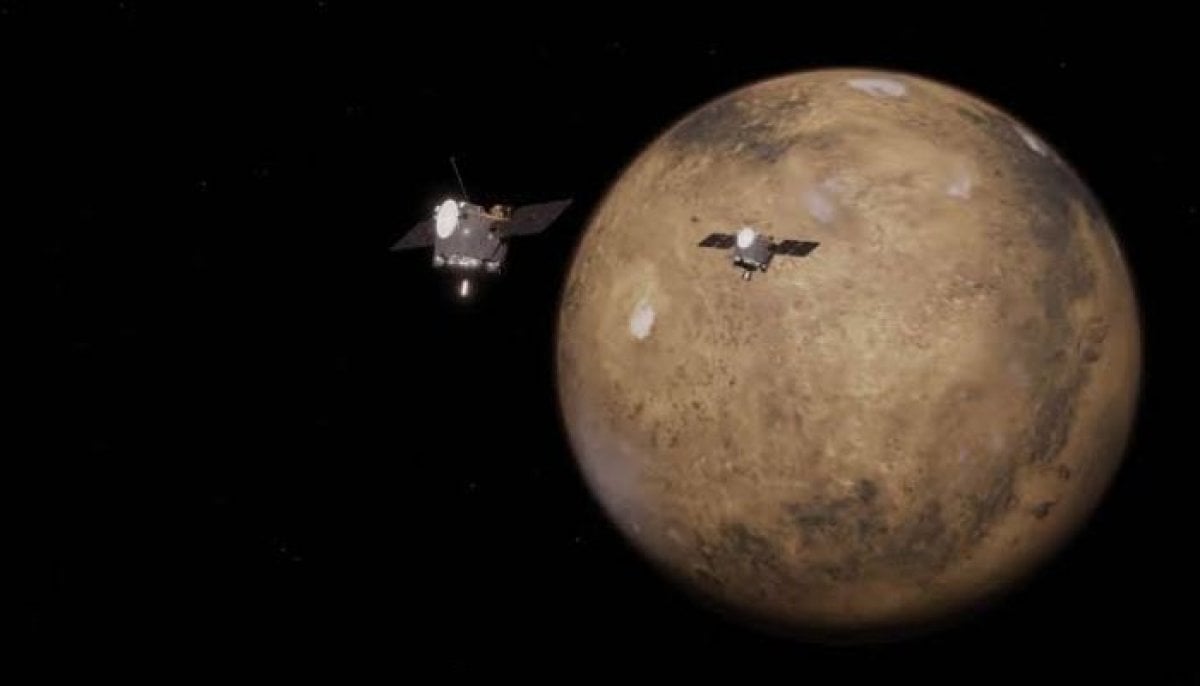 NASA’s next Mars mission targets Phobos and Deimos, not Red Planet
-
 Is AI ready to rewrite our understanding of physics?
-
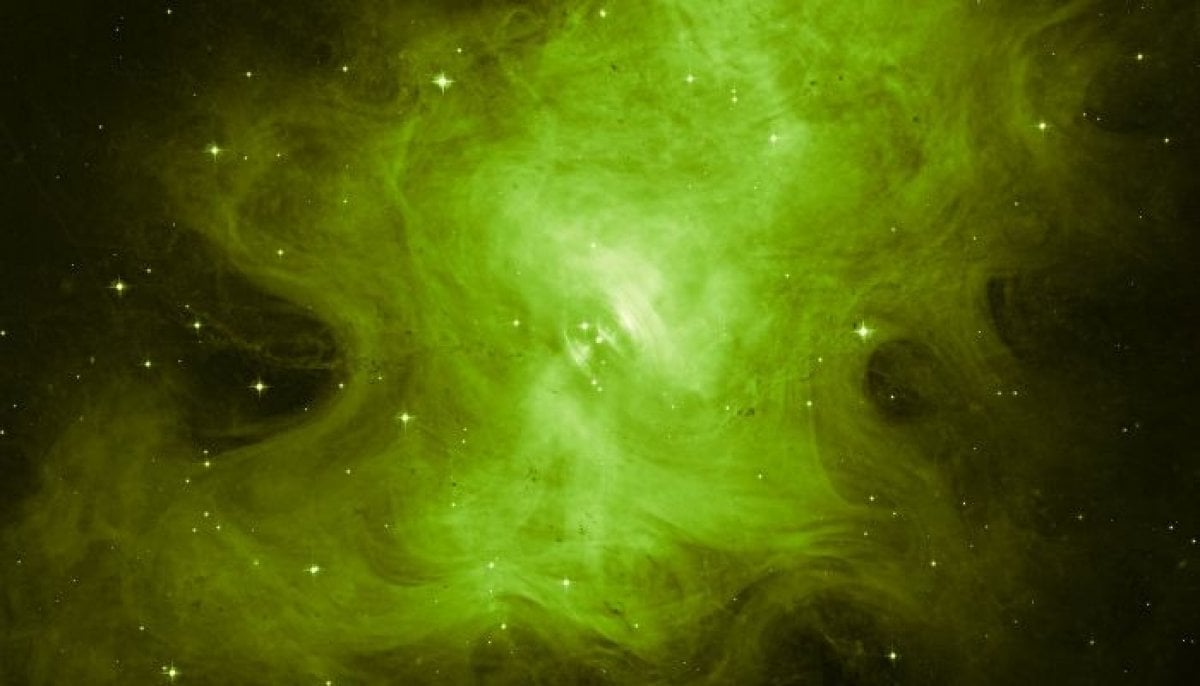 Astronomers identify possible first green star in 27 years of research
-
 New study sounds alarm as Doomsday Glacier melts more aggressively than thought