
Orionid meteor shower 2026: Peak date, viewing tips and what to expect
2026 Orionid meteor shower will peak overnight on October 21-22
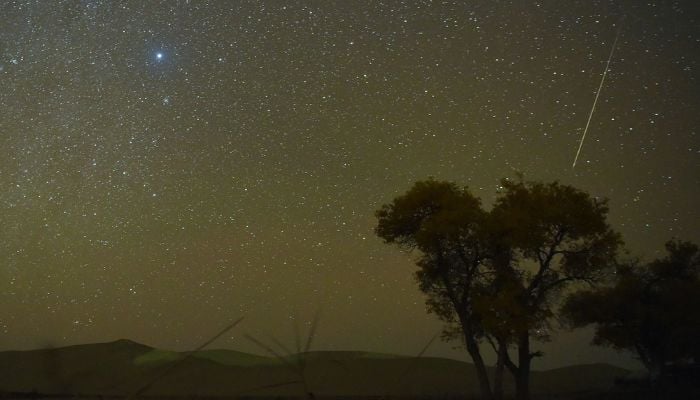
Next week is going to be fun for sky watchers as the Orionid meteor shower will peak overnight on October 21-22.
The parent comet is Halley’s comet as Earth passes through the trail of debris left behind by the famous comet, the particles slam into our atmosphere at high speeds.
Orionid meteors are famous for being exceptionally fast which means they travel roughly 41 miles per second. They frequently produce bright streaks.
Speaking about the peak rates, stargazers can typically expect to see around 10 to 20 meteors per hour under dark-sky conditions.
However, viewing conditions will be challenging this year as a 74 percent-lit waxing gibbous moon will obscure meteors earlier in the night, but it sets a few hours after midnight.
To avoid the worst of the moonlight, the optimal viewing window is during the dark hours just before dawn, after the Moon has set or dipped low in the sky.
Meteors will appear to originate from a radiant near the star Betelgeuse in the constellation Orion above the south-eastern horizon in the US.
For longer, glowing meteor trains, look 40–90 degrees away from the radiant, avoid artificial light.
So find a dark place to watch this celestial event and give your eyes 20–30 minutes to adjust to the dark, leaving telescope and binoculars behind as you can enjoy them with the naked eye.


-
 Earth 2.0? astronomers spot mysterious signs beyond Neptune
-
 Beaver Moon 2026: When and where to see a full supermoon rise this week
-
 Physicist discovers new solution to Einstein's equations for 'Black Saturn'
-
 Thailand makes prepares to stop exporting rare earth mining chemicals to Myanmar
-
 Inside COP31 climate deal: COP31 President speaks out
-
 NASA reveals mysterious 'ghost forest' on Mars: Everything to know about it
-
 COP31 talks reach deadlock amid growing fossil fuel dispute
-
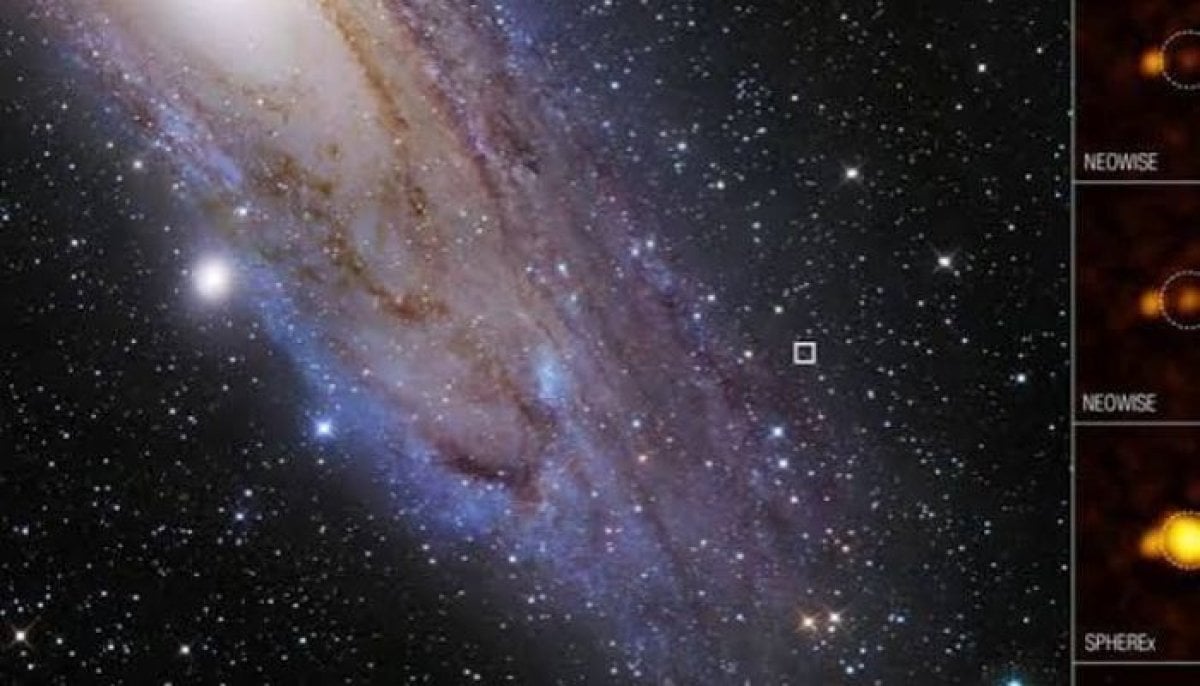 Astronomers observe massive puffy star merging with smaller companion
-
 NASA confirms Voyager 1 is now a ‘light-day’ away from Earth
-
Google partners with Bezos’ Blue Origin to launch AI computing satellites in 2029
-
‘Craziest is definitely still yet to come’: HEO unveils advanced space intelligence platform in major new launch
-
Anthropic vs SpaceX: How two potential IPOs compare


