'Hanging by a Wire': An Oscar-worthy saga of bravery, bonding and belief
Mohammed Ali Naqvi expresses his gratitude over opportunity to share Pakistani stories beyond borders
Mohammed Ali Naqvi has added yet another feather to his cap as he puts Pakistan in the international spotlight.
The award-winning filmmaker, who previously brought global recognition to the country with ‘Turning Point: 9/11 and the War on Terror’, has returned with another feature film poised to break barriers on the global stage.
‘Hanging by a Wire’ has been selected by the Pakistan Academy Selection Committee (PASC) as the country’s entry for the international feature film Oscar at the 99th Academy Awards, marking an important moment for both Naqvi and Pakistani cinema.
Speaking exclusively to The News International, Naqvi expressed his gratitude at seeing the film receive international recognition, describing the selection as a meaningful acknowledgement of the work that went into bringing the story to global audiences.
Q. What went through your mind when you first heard ‘Hanging by a Wire’ has been picked for an Academy Award nomination?
A. The news was announced at MISAFF, the Mosaic International South Asian Film Festival in Mississauga, just outside Toronto.
Deepa Mehta—one of my film icons and heroes—was moderating the Q&A. She was nominated for an Oscar for Water nearly 20 years ago, so having her lead the conversation was already a privilege.
To then have Sana Zahra Jafri, PASC Deputy Chair, announce the selection in front of that audience was truly special.
I felt enormous joy and pride. The first people who came to mind were the people in the film and everyone who trusted us with their story. This honour belongs to all of them.
Q. What does this nomination mean to you personally as a director?
A. For me, as a director, this recognition means a great deal. For more than 20 years, I’ve been making films from Pakistan and showing the world how many different sides our country has.
Being recognised at this level gives us a chance to change the conversation about Pakistan and Pakistanis. We are not always victims or the subjects of bad news.
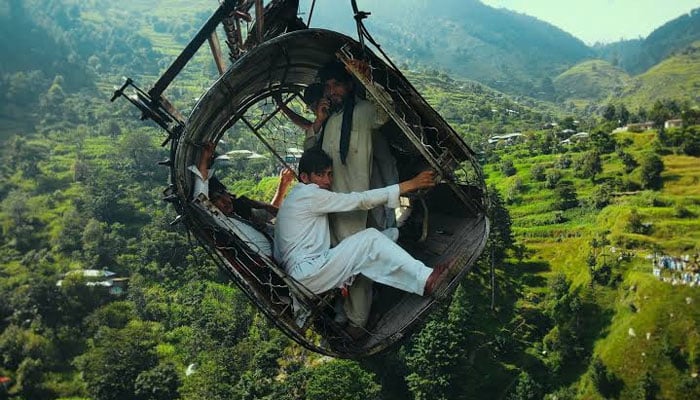
We are deeply resilient, resourceful people with profound depth. We have agency, and we deserve to be celebrated—just like the people who rescued the children from the cable car in Battagram. They are heroes, and there’s nothing more Pakistani than that.
Q. Was there a particular moment during the making of the film that stayed with you?
A. When we went to the village in Allai Valley, where this happened, I was deeply moved by how warmly and lovingly the community welcomed us. I felt privileged to help bring their story to the world. Most of the footage in the film was recorded by the people themselves.
I especially want to acknowledge Faisal Mumtaz, who captured the extraordinary drone footage of the rescue that you see in the film. I’m also deeply grateful to YouTube vlogger, Ek Ragheer, also known as Abu Humaid Allai, and to the other local citizen journalists.
I’m thankful to the whole community and to all the families who welcomed us into their homes, shared their warmth with us, and took part in the film’s action sequences and recreations. They were all wonderful performers.
Making Pakistan’s first documentary thriller, having the support of a Hollywood studio like Universal, premiering at Sundance and being released on Paramount+—all of this has been extraordinary. I thank God for it.
Q. What do you hope audiences takeaway from the film?
A. I hope audiences feel the suspense and emotion of the film, and remember the people who made the rescue possible. This is also the story of a community living in isolation. There are no proper roads or essential services, and people have to rely on unsafe, makeshift cable cars just to access basic necessities.
I hope the film brings the difficulties of their lives into view and shows how much better infrastructure and essential services could change things for them. My greatest hope is that the Pakistani government takes notice and provides this community with roads, schools and the basic services every human being deserves.
Q. What does the nomination mean for Pakistan?
A. This is Pakistan’s 13th official submission in the history of the Academy Awards. So far, only one Pakistani film has made the shortlist: Saim Sadiq’s Joyland. The competition is fierce, but Inshallah, we hope "Hanging by a Wire" makes the shortlist and goes far in the race.
What makes this year’s submission especially significant is that it is the first documentary Pakistan has ever submitted in the International Feature Film category. That alone is a remarkable milestone.
For Naqvi, the journey is about more than accolades. It represents an opportunity to tell stories from Pakistan to a worldwide audience.
With Hanging by a Wire now carrying Pakistan’s hopes on the international stage, Naqvi’s latest achievement is another reminder of the creative potential emerging from the country’s film industry



-
 Chris Brown's ex Diamond accuses him of threatening her boyfriend amid child support dispute
 -
 Anthony Mackie reveals major project before returning to 'Avengers: Secret Wars'
 -
 Ben Affleck drops his bold vision for AI's role in filmmaking
 -
 Prince Harry’s ‘cries about privacy’ turn bad: ‘Make a decision!’
 -
 Tom Cruise reacts as 'Digger' struggles at box office
 -
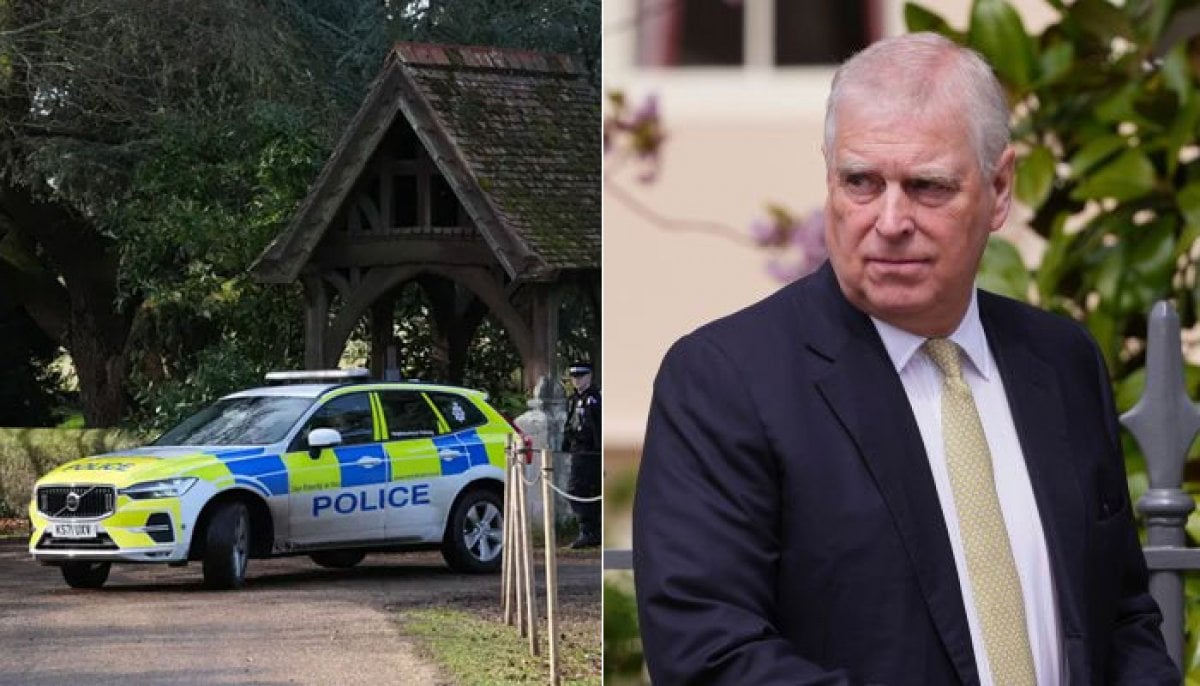 Thames Valley Police finally addresses Andrew Mountbatten-Windsor lawsuit plans
 -
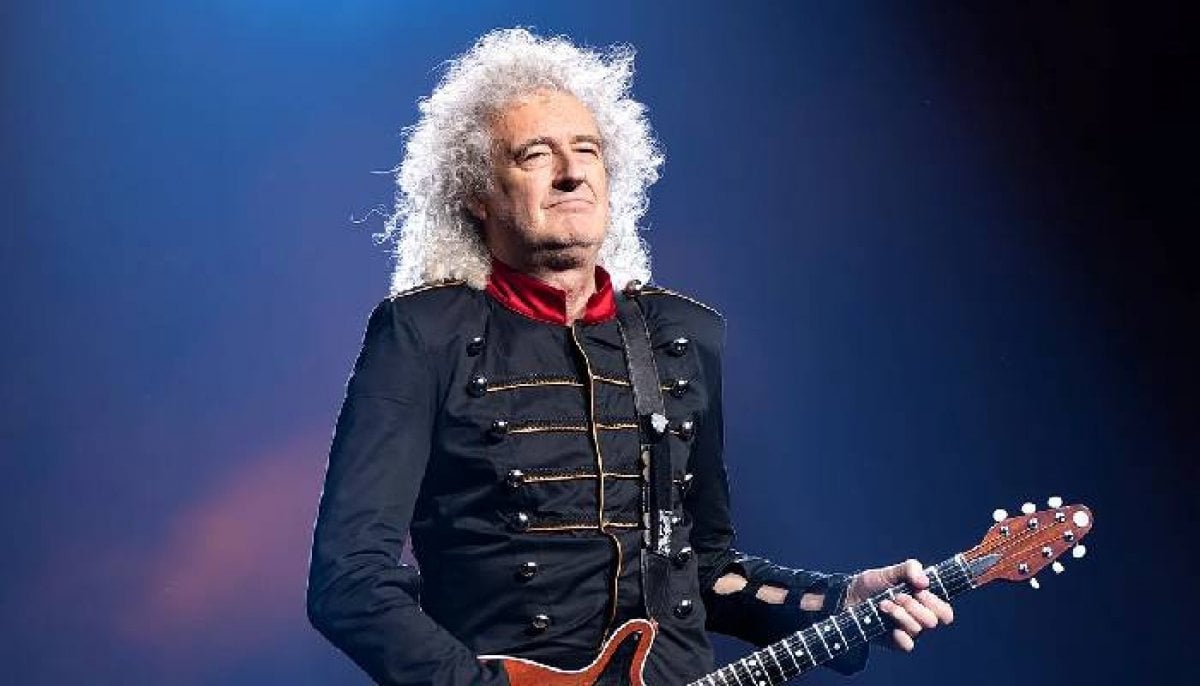 Brian May reveals dark reality behind his 'rock star' life
 -
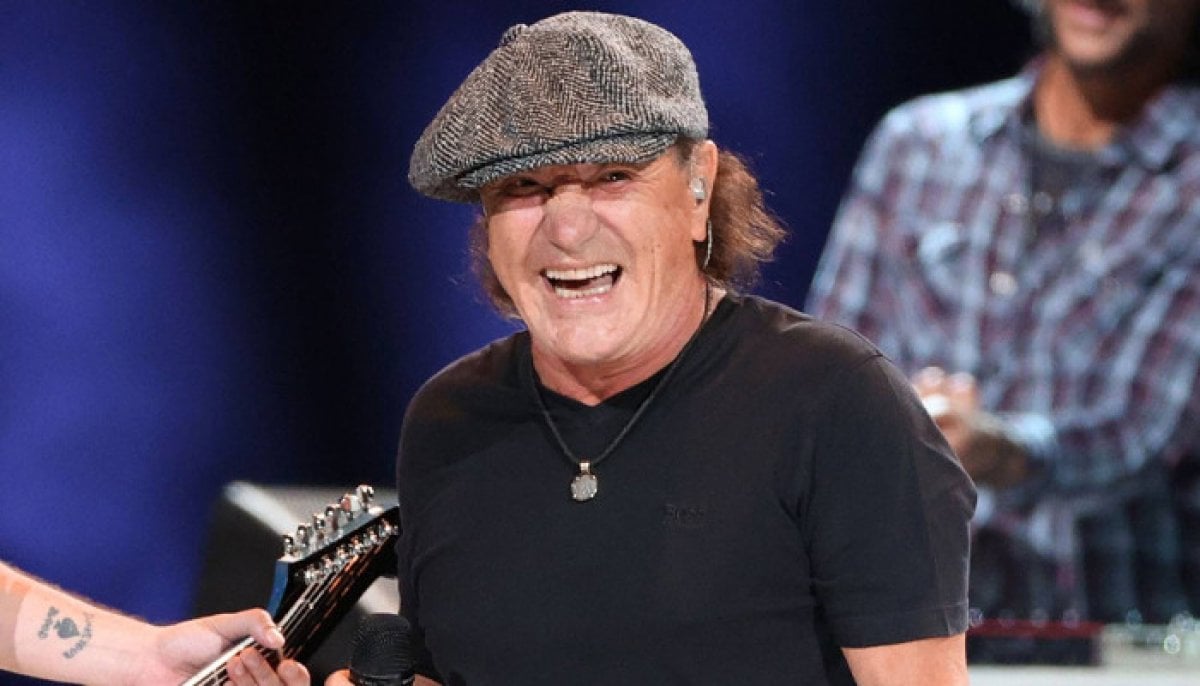 Rock band AC/DC celebrate Brian Johnson’s 79th birthday