
Scientists transplant lab-grown human brain tissue into mice: What they found
Scientists have made mice with half a brain, and then filled the missing space with human organoids
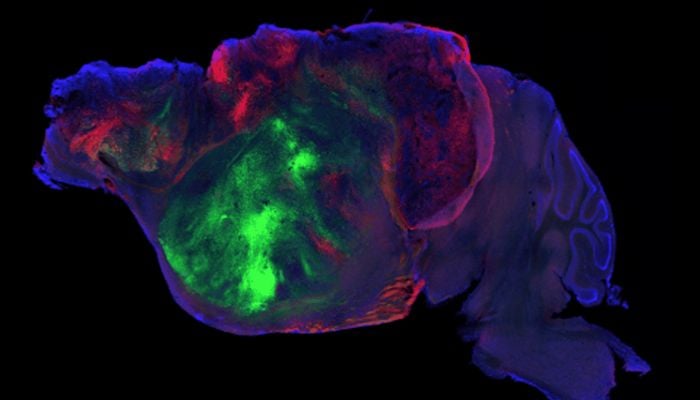
In a groundbreaking study, scientists have transplanted laboratory-grown human brain tissue with genetically modified mice in what they called a breakthrough for studying human brain development which may accelerate research into the etiology and pathogenesis of severe diseases such as autism, epilepsy, cerebral palsy and schizophrenia.
According to researchers, the human tissue modeled essential aspects of neurodevelopment including the formation of functional neural networks after being transplanted into mice lacking most of their own cerebral cortex.
In this connection, Stanford University neuroscientist Sergiu Pasca’s study published in the journal Nature said: “ This gives us a way to study human neural tissue across several levels, from genes and individual cell types to circuits and functional consequences in an animal. We can begin to ask how disease-associated human genetic changes alter neural development and circuitry and whether potential treatments can prevent or correct those changes.”
The scientists implemented a genetic method to suppress development of most of the cells that give rise to the cerebral cortex and the hippocampus.
Researchers refer to xenocortical mice as mice host to foreign transplanted human cortical tissue. Cortical organoids primarily give us an experimental window into brain development. The developing human brain is hypoxia-sensitive, when it occurs during pregnancy it can cause significant neurocognitive impairment including contributing to conditions like cerebral palsy and increasing the risk of autism.
However, mice are resilient to levels of oxygen deprivation that would rapidly cause brain injury in humans. The bioengineered mice appeared to be stranded lab mice as they moved around and explored their environment though they show mild differences in memory performance. Pasa further said that neurological and psychiatric disorders affect one in five people, yet scientific understanding of many of these conditions remain incomplete.


-
 Earth 2.0? astronomers spot mysterious signs beyond Neptune
-
 Beaver Moon 2026: When and where to see a full supermoon rise this week
-
 Physicist discovers new solution to Einstein's equations for 'Black Saturn'
-
 Thailand makes prepares to stop exporting rare earth mining chemicals to Myanmar
-
 Inside COP31 climate deal: COP31 President speaks out
-
 NASA reveals mysterious 'ghost forest' on Mars: Everything to know about it
-
 COP31 talks reach deadlock amid growing fossil fuel dispute
-
 Astronomers observe massive puffy star merging with smaller companion
-
 NASA confirms Voyager 1 is now a ‘light-day’ away from Earth
-
Google partners with Bezos’ Blue Origin to launch AI computing satellites in 2029
-
‘Craziest is definitely still yet to come’: HEO unveils advanced space intelligence platform in major new launch
-
Anthropic vs SpaceX: How two potential IPOs compare


