128 countries agree on framework for global rules on autonomous weapons
Delegates from the member states of the Convention on Certain Conventional Weapons concluded a week-long meeting in Geneva
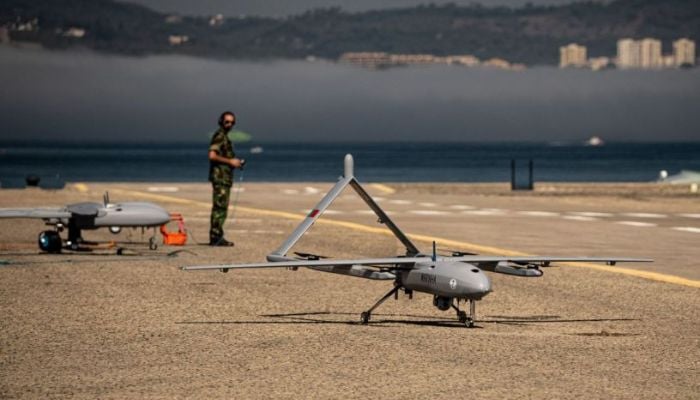
In a recent breakthrough 128 countries have agreed for a framework aimed at regulating or banning autonomous weapons that could pave the way to international rules on “killer robots.”
The states’ agreement to the non-binding text is a significant step in regulating these deadly weapons in a conflict-ridden world. The nod comes after more than a decade of talks on how to manage weapon systems that can identify targets autonomously with little to no human intervention.
However, some groups complained about watering down the text definition of autonomous weapons and the steps taken to reduce their impacts on civilians.
"It's a real shame that all the work done by states on the text over the past three years has been substantially diluted in the last hours," Nicole van Rooijen, executive director at Stop Killer Robots said.
Delegates from the member states of the Convention on Certain Conventional Weapons concluded a week-long meeting in Geneva by reaching an overnight consensus.
During the discussions, the states including Russia and the United States were locked in differences over language of the text. However, both sides also vouched for national guidelines over international legally binding rules.
Therefore, Washington called for flexibility in the non-binding text such as areas related to human judgement.
This consensus-based, non-binding agreement comes in the midst of growing international concern over autonomous lethal weapons systems used in active conflicts across Ukraine, Sudan, and the Middle East, potentially paving the way for future formal treaty negotiations.


-
 Pope Leo XIV rides popemobile for first time since lung cancer surgery
 -
 Russia frees 74-year-old US citizen Stephen Hubbard as Putin-Witkoff meeting continues
 -
 UK approved Jackdaw gas field: What it means for Britain climate goals
 -
 One dead, one missing after French Mirage 2000D fighter jet crashes in training flight
 -
 EU parliament approves sweeping passenger rights overhaul to guarantee 14-day travel refunds
 -
 Who ordered Starlink slowdown in Ukraine? New report reveals Elon Musk’s role
 -
 US envoy Witkoff heads to Russia for Putin meeting after ‘positive’ talks with Zelenskyy
 -
 Abdul El-Sayed heckler linked to Republican strategist that was paid $250K to oppose him
-
 Flights to Europe could get more expensive in 2027 as fuel costs surge, Ryanair warns
 -
CNN threatens to sue Trump administration again over Air Force One press ban
-
Attack on Australian MP Helen Haines highlights escalating threats to public figures
-
Ilhan Omar's sister questioned by investigators amid US citizenship fraud probe