NASA’s new telescope set to uncover mysteries of dark energy, dark matter and exoplanets
The new telescope aims to discover new planets and reveal details about the elusive nature of dark matter and energy
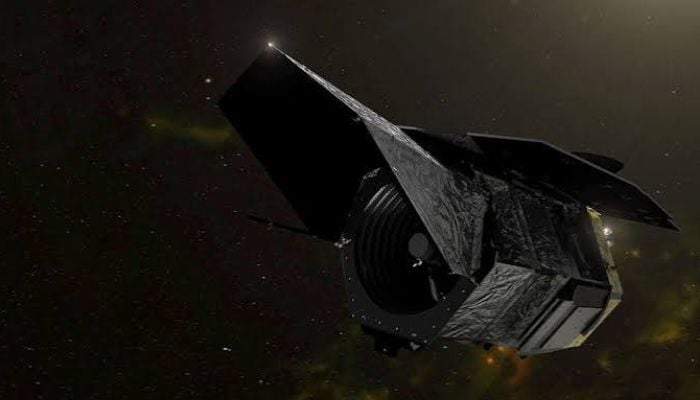
NASA is preparing to launch its next-generation observatory, the Nancy Grace Roman Space Telescope-a powerful new instrument designed to explore some of the universe’s biggest mysteries including dark energy and dark matter while also testing cosmological gravity and any planet that exists outside our solar system.
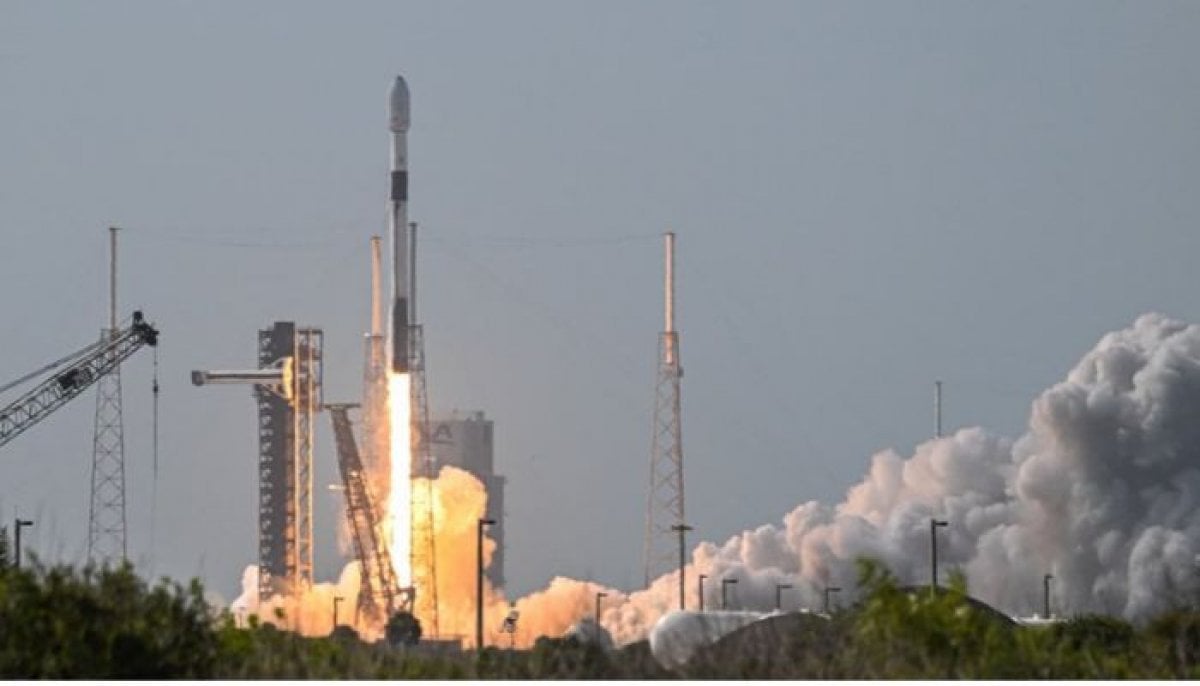
The launch of the Nancy Grace Roman Telescope is roughly a $4 billion project planned at NASA’s Kennedy Space Center in Florida with the astronomical satellite into orbit of a SpaceX Falcon Heavy rocket.
According to US space agency officials, the new launch comes nine months ahead of schedule. The new telescope’s distant view of space and rapid survey speeds offer the opportunity for scientists to analyze the cosmos in unprecedented detail through large-scale astronomical surveys.
In this connection, Julie MCEnery, Roman’s senior project scientist at NASA’s Goddard Space Flight Center in Maryland said: “Roman's primary instrument combines exquisite performance and sensitivity with the ability to quickly and efficiently survey the large regions of the sky,”
“The telescope's main survey will take more than a year. The survey will contain over two billion galaxies and enable us to study how the structures in our universe — the stars, the galaxies, the clusters of galaxies — grew and evolved. We'll also measure how our universe has expanded over time. And these are the keys that will allow us to unlock the fundamental nature of dark matter and dark energy and the fabric of the universe itself.”
The universe’s contents include ordinary matter like stars, dust as well as dark matter and energy whose physical energy remains intangible. Dark matter is primarily known through its gravitational dynamics, representing about 27%.
Dark energy is expected to discover thousands of new ones and provide an initial demographic survey of solar system analogues similar to our own while demonstrating new technology to directly image nearby extrasolar planets.
Furthermore, after launch and separation from the rocket, the telescope will travel to orbit Lagrange Point 2 situated approximately four times the distance of the moon.


-
 First possible evidence of Planet Nine found in infrared data
 -
 Elon Musk announces SpaceXAI rebrand to SpaceXSI following presidential order on 'Super Intelligence'
 -
 ISS Command changes hands in emotional ceremony
 -
 Moon water acts nothing like it does on Earth, study finds
 -
 Hawaii’s Hōlei sea arch collapses after centuries on Big Island: What happened
 -
 Solar system may have a much shorter lifespan than we thought
 -
 Singapore builds world’s ultra-precise clock outperforming US, China
 -
 NASA expands Moon base research with three new investigations