Moon water acts nothing like it does on Earth, study finds
A strange water effect on Moon could complicate lunar farming
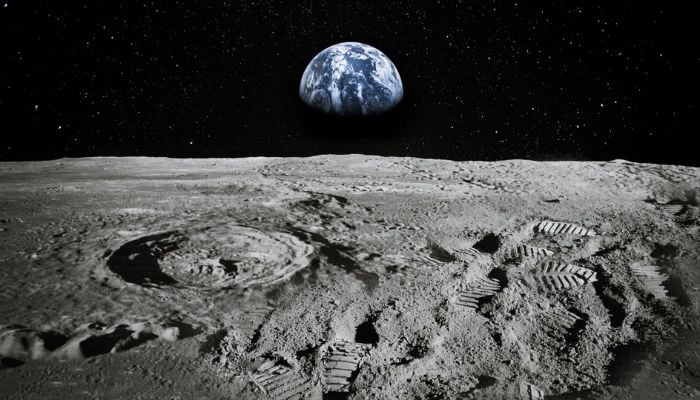
When it comes to sustaining life, water holds significant importance. As the countries are locked in a race to dominate the moon and sustain human presence on the lunar surface, it is difficult or one can say without water.
Elon Musk has envisioned creating permanent human settlements on the moon and Mars. So, cultivating plants on the moon is critical for long-term lunar bases, as they supply food, oxygen, medicine, water purification, and waste recycling.
But here is a catch as water on the moon acts nothing like it does on Earth, as reported by a new research study.
Research led by John Z. Kiss, Karl H. Hasenstein, and Christopher P. McKay shows that surface tension plays a much larger role in lunar gravity, which is one-sixth of Earth's, causing water to flow less freely than it does on Earth.
"The surface tension is more of a factor in how water flows. In essence, it doesn't flow as freely (in lunar gravity) because of the surface tension," said Kiss, who is Florida Tech's provost and senior vice president for academic affairs.
"If you're going to water plants on the moon, you might have to design the whole system a little bit differently than you would on Earth."
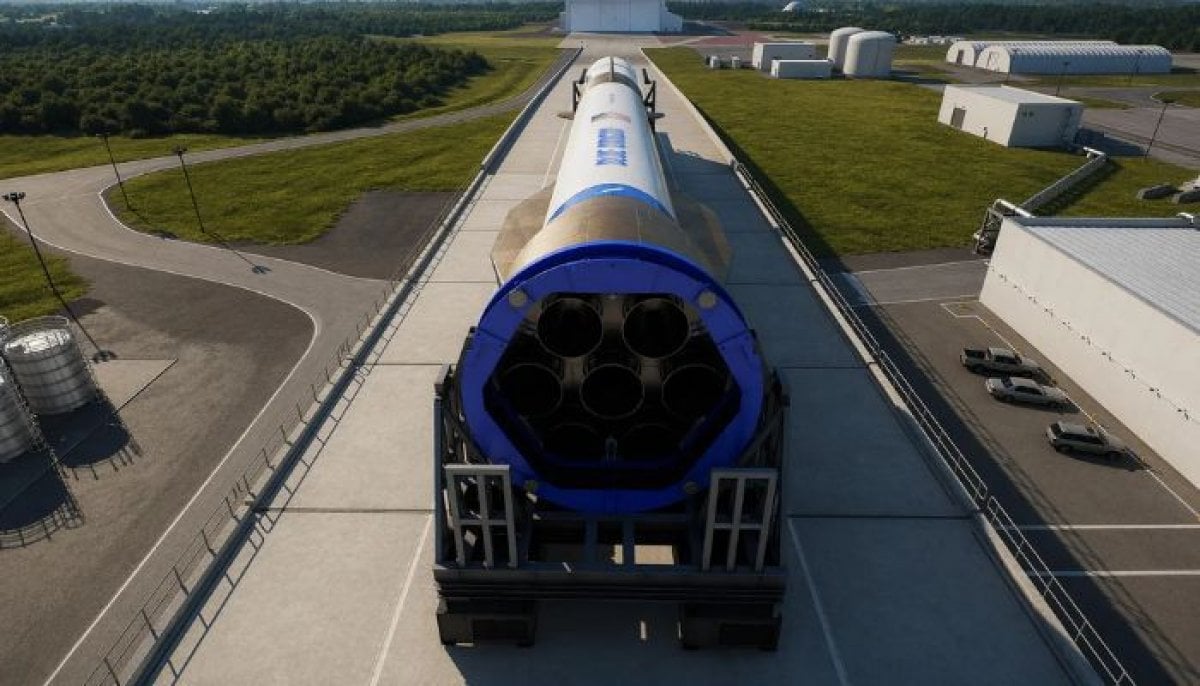
The researchers also conducted a simulated flight experiment, tested during a Blue Origin New Shepard flight in February 2025. The experiment used about two minutes of simulated lunar gravity, generated by centrifugal rotation, to observe how pure water, a salt solution, and a 30% glycerol solution behaved inside containers.
The water moves poorly in this experiment as the lunar soil consists of fine dust and rock fragments that absorb water poorly. Combined with restricted water flow, this creates a major irrigation challenge, thereby limiting oxygen and impairing plant growth.
Among the tested solutions, the glycerol solution exhibited better flow characteristics, suggesting that specific additives could eventually be used to help water absorb properly into lunar soil.
The custom hardware including cameras and accelerometers performed successfully. Researchers plan to use this as a foundation for longer-term studies and eventual real lunar surface experiments.


-
 Chinese astronomers discover real-life three-body system unlike Liu Cixin’s fiction
 -
 Hunter’s Moon 2026: When and how to watch October’s full moon
 -
 Elon Musk’s Mars colonization dream faces reality check from Nobel laureate
 -
 NASA competition model 2.0 cuts mission selection by 45%
 -
 A ‘neglected’ neutrino may hold the key to why the Universe exists
 -
 Can cancer drugs be made in space? Here’s what the new mission aims to find out
 -
 SpaceX Falcon 9 successfully launches Bandwagon-5 mission with 32 payloads
 -
 Europe launched 8 orbital rockets last year, can it rival Starlink?